
Stop sign
What does it mean?
A STOP sign requires a complete stop on the approach it controls. An empty intersection does not remove that requirement, and stopping does not automatically give you priority over other road users.
What to do when you see it
- Stop at the marked stop line, or before the crosswalk or intersection when no line is present.
- Look for crossing traffic and people before moving.
- Read any supplemental plaque to understand the intersection arrangement.
How to recognize it
- Eight-sided red octagon.
- White STOP letters and border.
On the road
You reach a quiet neighborhood intersection early in the morning. Bring the vehicle fully to rest, check the crossing paths, and proceed only when it is safe.
Don’t confuse it with
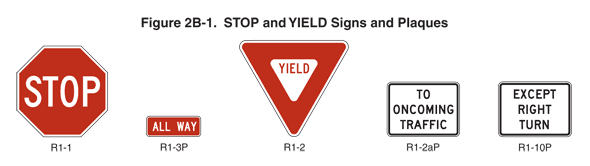
Yield sign
YIELD requires giving way and stopping when necessary; STOP requires a complete stop.
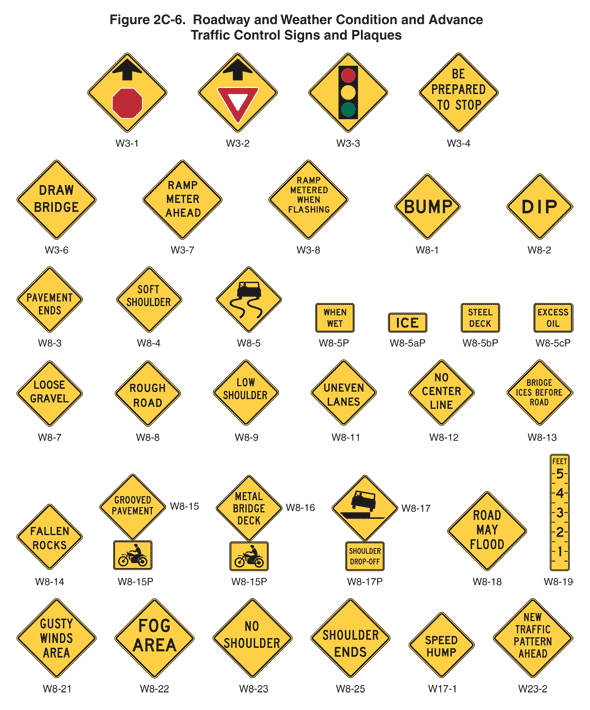
Stop ahead
The yellow warning sign prepares you for a stop farther ahead; this red sign controls the stopping location.
Put the meaning into practice
The related quiz includes this sign and other study questions. State practice can also cover local rules; it is not an official DMV exam.
Common U.S. sign recognition, reviewed October 3, 2026. Actual sign values, additional plaques and local rules can change how you should respond.