Read an existing practice question, consider its choices, then reveal the answer and explanation. This set has 20 sourced cards selected from the existing California printable sample.
A short sample of car driving questions. Read the handbook to cover the other topics you need.
Use Tab to reach a card’s answer control and Enter or Space to open it, or tap the control. This works without JavaScript. Cards do not record a score, save an attempt or change your quiz progress.
Recall the rule, then check the source
Card 1 · Road signs
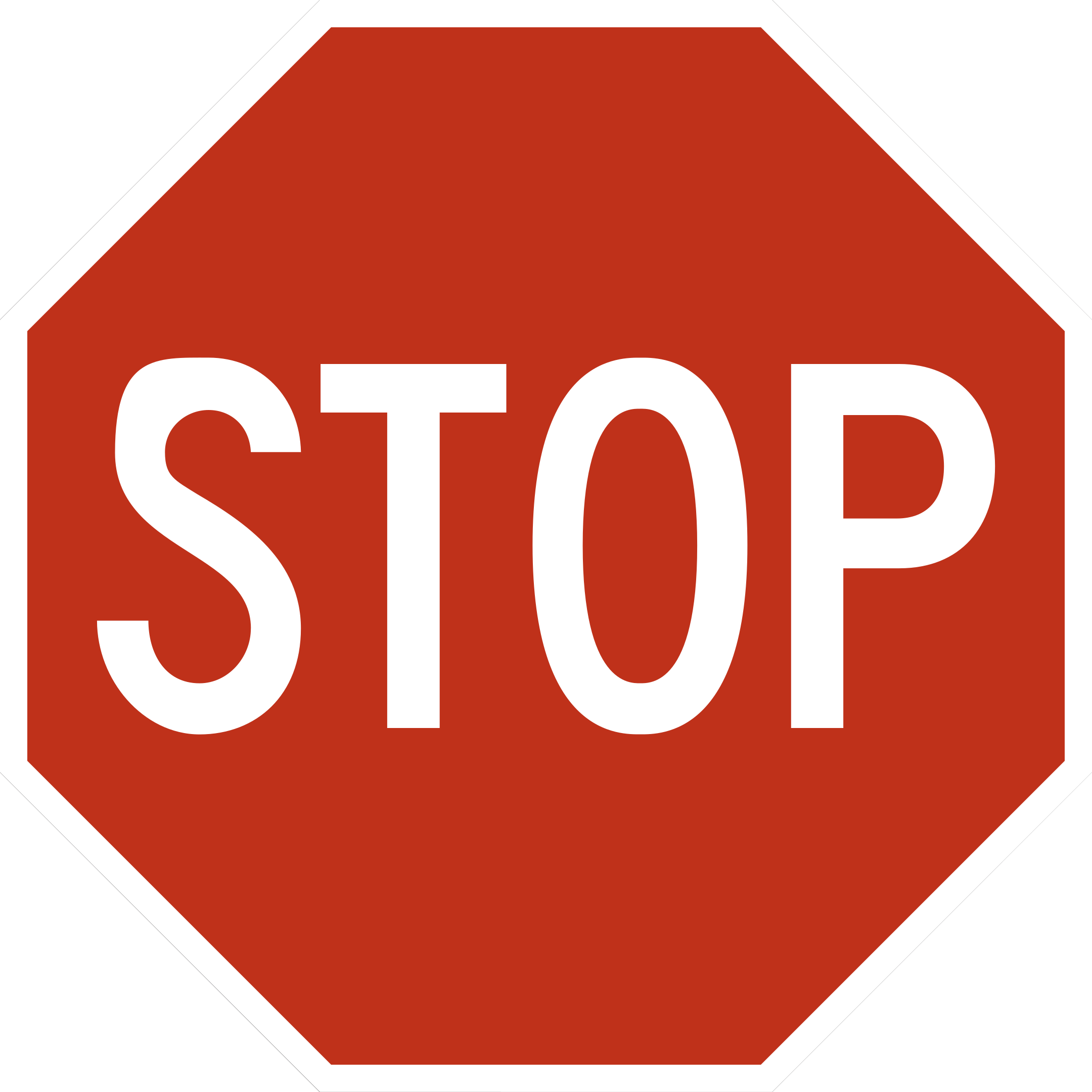
You come to a red octagonal sign at a corner. What does California require?
FHWA MUTCD / Standard Highway Signs — source and adaptations in /signs/LICENSES.md
Bring the car to a full stop
Ease off the gas only if other traffic is close
Give way and keep rolling
Stop only when someone is walking across
Show answer for card 1
Correct answer: Bring the car to a full stop
Halt fully at the white limit line. Without a line, stop ahead of the crosswalk, and without either, stop before you enter the intersection. Merely slowing and rolling through does not count.
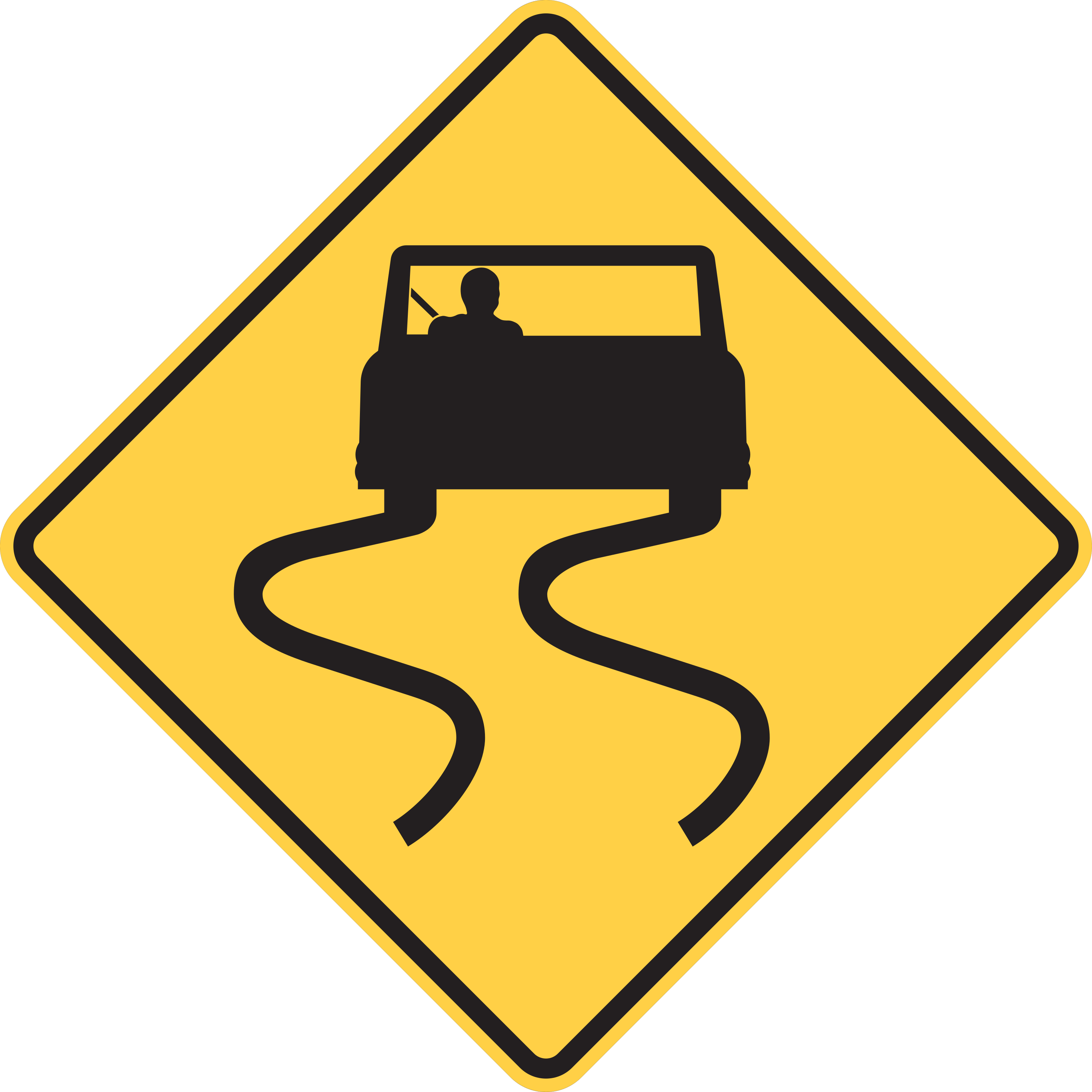
A wet curve is ahead. Why should you reduce speed before entering it?
Firm braking inside the curve gives the tires more grip
Too much speed can exceed the tires' grip in the curve
Maintaining dry-road speed makes steering more stable
Accelerating into the curve prevents the tires from sliding
Show answer for card 2
Correct answer: Too much speed can exceed the tires' grip in the curve
Slippery pavement reduces traction. Entering more slowly helps prevent a skid and avoids needing sudden braking while turning. Steer smoothly and keep your speed safe throughout the curve.
After stopping at a solid circular red light, which left turn may be allowed if no sign prohibits it and the way is clear?
From a one-way street onto another one-way street
From a two-way street onto a one-way street
From a one-way street onto a two-way street
From a two-way street onto another two-way street
Show answer for card 4
Correct answer: From a one-way street onto another one-way street
Only the one-way-to-one-way case qualifies. Stop and yield before turning; a red arrow does not allow the turn.
Source: Section 6 — Left Turn Against a Red Light · Original question review: 2026-09-09
Card 5 · Freeway driving
You are already in the proper lane to leave a freeway. How many seconds before the exit should you signal?
About one second
About three seconds
About five seconds
Wait until you are on the exit ramp
Show answer for card 5
Correct answer: About five seconds
Once in the proper exit lane, signal about five seconds before leaving the freeway. This gives drivers behind you notice of your intended exit; it does not replace checking before any earlier lane change.
Source: Section 6 — Merging And Exiting: Exiting · Original question review: 2026-09-09
Card 6 · Night driving
Where should you look when oncoming headlights are too bright?
Directly at the headlights
Toward the right edge of your lane
At your rearview mirror
Down at the dashboard
Show answer for card 6
Correct answer: Toward the right edge of your lane
Avoid staring at the lights. Use the right edge of your lane as a visual guide.
Source: Section 8 — Understand the Road Conditions: Darkness · Original question review: 2026-09-09
Card 7 · Regulatory signs
What shape is the sign shown?
FHWA MUTCD / Standard Highway Signs — source and adaptations in /signs/LICENSES.md
Triangle
Octagon
Pentagon
Circle
Show answer for card 7
Correct answer: Octagon
An eight-sided red sign is used only for STOP. Because no other sign uses that outline, drivers can identify it even when the word is hidden by snow, grime or a low sun.
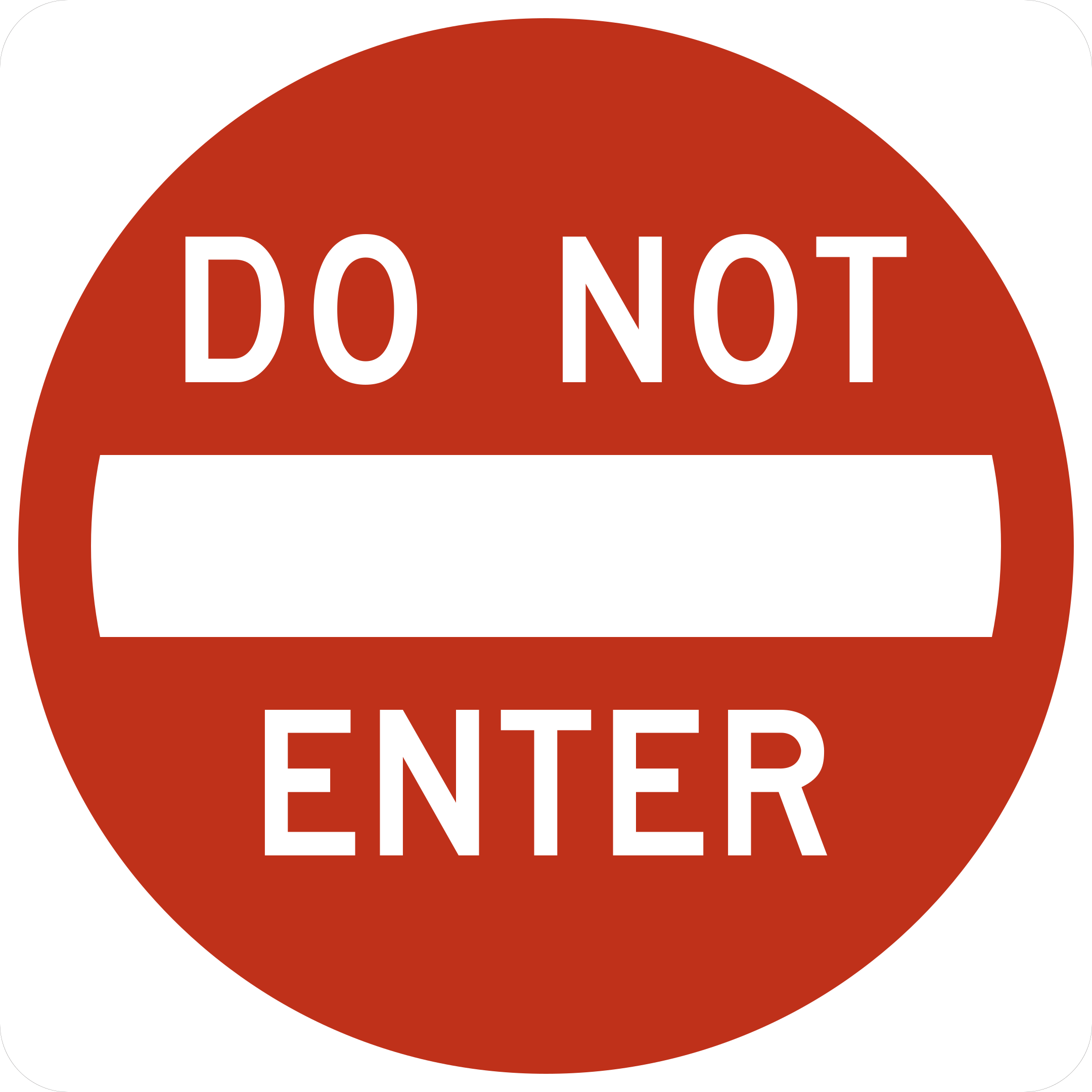
FHWA MUTCD / Standard Highway Signs — source and adaptations in /signs/LICENSES.md
Enter only after stopping
Do not enter this road or ramp
One-way traffic ends ahead
Passing is prohibited
Show answer for card 8
Correct answer: Do not enter this road or ramp
DO NOT ENTER is posted where traffic would be heading the wrong way, such as the far end of an off-ramp or a one-way street. Turning in there puts you face to face with oncoming vehicles.
You are driving through an alley in California. Unless a sign says otherwise, how fast may you go?
10 mph
15 mph
20 mph
25 mph
Show answer for card 13
Correct answer: 15 mph
California caps alley speed at 15 mph. Alleys are narrow, and doors, garages, and pedestrians can appear at very close range, so the low limit leaves you room to stop in time.
Source: Section 7 — Alleys · Original question review: 2026-09-09
Card 14 · Railroads
Near an uncontrolled railroad crossing with limited visibility, when does the 15 mph rule apply?
Within 50 feet when you cannot see 200 feet
Within 100 feet when you cannot see 400 feet in both directions
Within 200 feet at every crossing
Only when a train is visible
Show answer for card 14
Correct answer: Within 100 feet when you cannot see 400 feet in both directions
Drive no faster than 15 mph within 100 feet when track visibility is under 400 feet both ways, unless the crossing is controlled.
Source: Section 7 — Near Railroad Tracks; Buses, Streetcars, and Trolleys; Large Vehicles; Bicycles · Original question review: 2026-09-09
Card 15 · Transit vehicles
A bus, streetcar, or trolley has stopped at a safety zone or a traffic signal. What is the highest speed at which California allows you to go by it?
5 mph
10 mph
15 mph
25 mph
Show answer for card 15
Correct answer: 10 mph
Riders may step off a stopped transit vehicle and cross in front of you without warning. California caps your speed at 10 mph while passing in this situation, which gives you time to stop for anyone walking to or from the safety zone.
Source: Section 7 — Near Railroad Tracks; Buses, Streetcars, and Trolleys; Large Vehicles; Bicycles · Original question review: 2026-09-09
Card 16 · ABS
Your car has four-wheel ABS. How should you brake in an emergency?
Pump the pedal rapidly to prevent wheel lock
Apply firm, steady pressure to the brake pedal
Release the pedal whenever the ABS begins working
Use only gentle pressure throughout the stop
Show answer for card 16
Correct answer: Apply firm, steady pressure to the brake pedal
Keep firm pressure on the pedal instead of pumping it. DMV gives different instructions for vehicles without ABS, so know which system your vehicle has before an emergency.
Source: Teen Driver Tips — Handling Special Problems & Emergencies: What if I have to stop quickly or my vehicle skids? · Original question review: 2026-09-23
Card 17 · DUI
For how long does California keep a DUI conviction on your driving record?
Three years
Five years
Seven years
Ten years
Show answer for card 17
Correct answer: Ten years
A DUI stays on a California record for a full decade, so a second offense anywhere in that window is treated as a repeat conviction.
Source: Section 9 — Blood Alcohol Concentration; DUI Arrests; Alcohol Containers · Original question review: 2026-09-09
Card 18 · Large vehicles
If you cannot see a truck driver in the truck's side mirror, what should you assume?
The truck driver probably cannot see your vehicle
The truck must yield before changing lanes
You are far enough behind the truck
The truck driver can see you through a camera
Show answer for card 18
Correct answer: The truck driver probably cannot see your vehicle
Large vehicles have extensive blind spots. If you cannot see the driver in the mirror, the driver likely cannot see you.
May you park in an area marked with diagonal crosshatch lines beside a disabled space?
No, the crosshatched access area must remain clear
Yes, with hazard lights on
Yes, for passenger loading only
Only with a disabled placard
Show answer for card 19
Correct answer: No, the crosshatched access area must remain clear
Crosshatched access aisles are not parking spaces and must remain available for accessibility.
Source: Section 6 — Parking at Colored Curbs; Illegal Parking · Original question review: 2026-09-09
Card 20 · Insurance
What standard minimum bodily-injury liability limits does the California handbook list?
$30,000 for one person and $60,000 for more than one person
$15,000 and $30,000
$25,000 and $50,000
$50,000 and $100,000
Show answer for card 20
Correct answer: $30,000 for one person and $60,000 for more than one person
California DMV lists minimum bodily-injury coverage of $30,000 for one death or injury and $60,000 for more than one.
Source: Section 10 — Insurance Requirements; Reporting a Collision; Driving Without Insurance · Original question review: 2026-09-09
These are selected learning examples, not state examination questions or complete handbook coverage. Read the original source when a condition or exception is unclear.