
Road Sign Shapes and Colors
Start with the outline, then read the symbol, words and added plaque. Shape can distinguish a stop, yield, school or railroad message before small lettering is clear. Color can suggest regulation, warning or guidance, but it does not replace the exact instruction. Three useful comparisons are the downward yield triangle versus the sideways pennant, the school pentagon versus a pedestrian diamond, and a route shield versus a speed-limit rectangle. Use the pictured examples below to connect each clue with the driver's actual decision, not merely a vocabulary word.
Octagon: STOP
The eight-sided red sign requires a complete stop. Its outline is a recognition cue, but stopping and deciding when the path is clear remain two separate tasks.
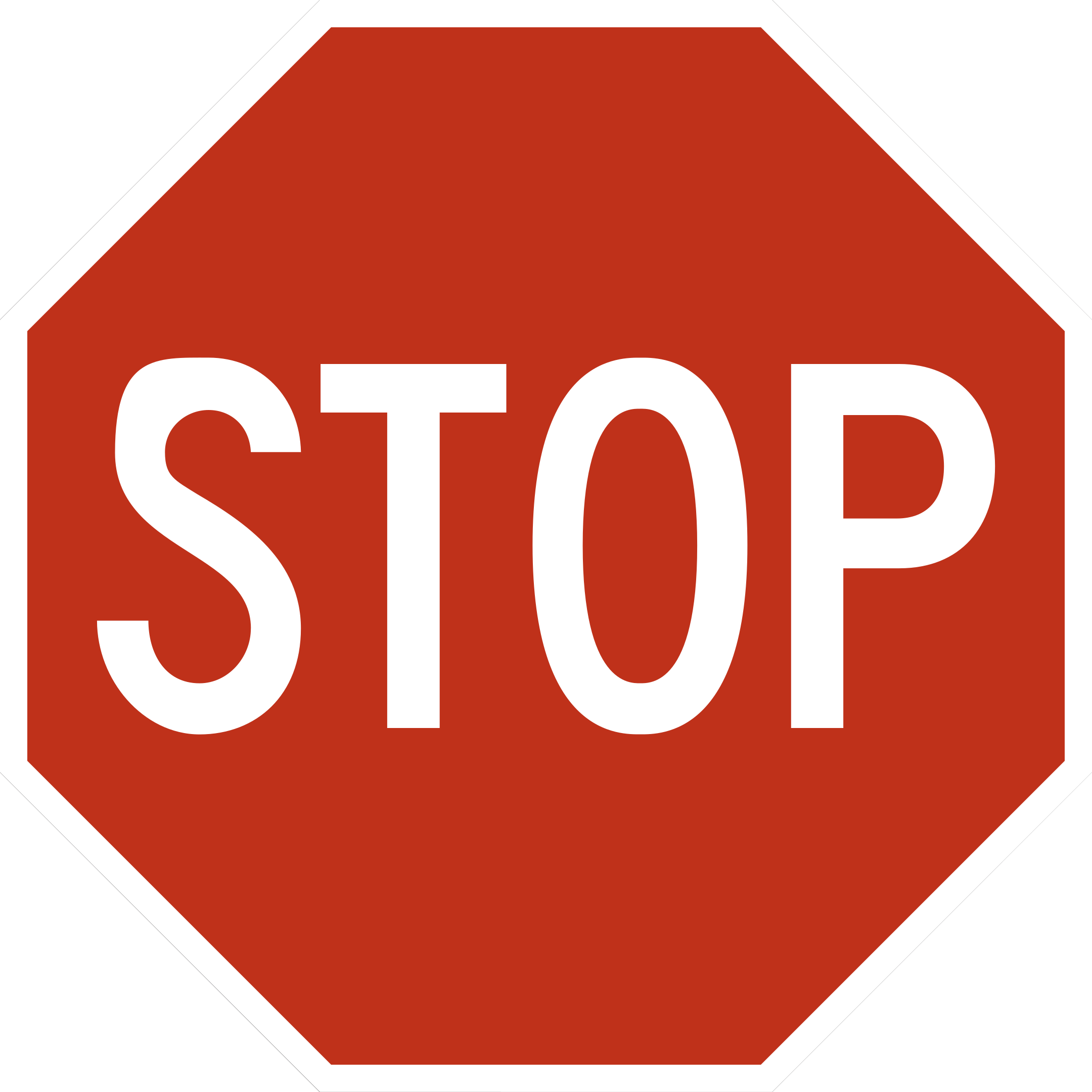
Stop sign
A STOP sign requires a complete stop on the approach it controls.
Downward triangle: YIELD
The point-down red-and-white triangle requires giving way. Slow enough to judge the conflict and stop when necessary; it is not simply a different drawing of STOP.
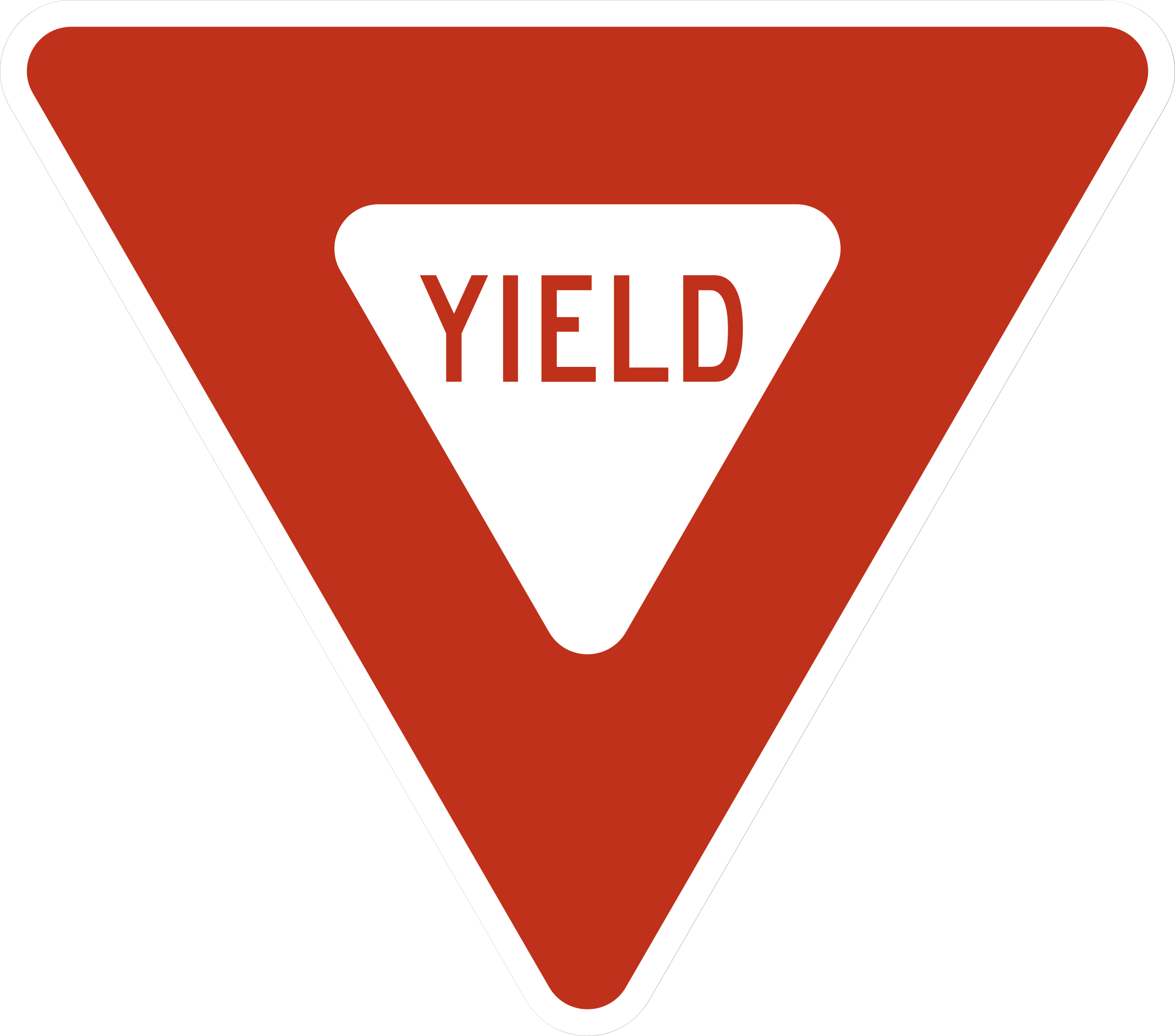
Yield sign
YIELD tells you to give priority to conflicting traffic.
Diamond: warnings
A diamond commonly calls attention to a condition ahead. Read the symbol to tell alignment, available space and surface conditions apart. A yellow diamond alone does not supply a numerical speed.
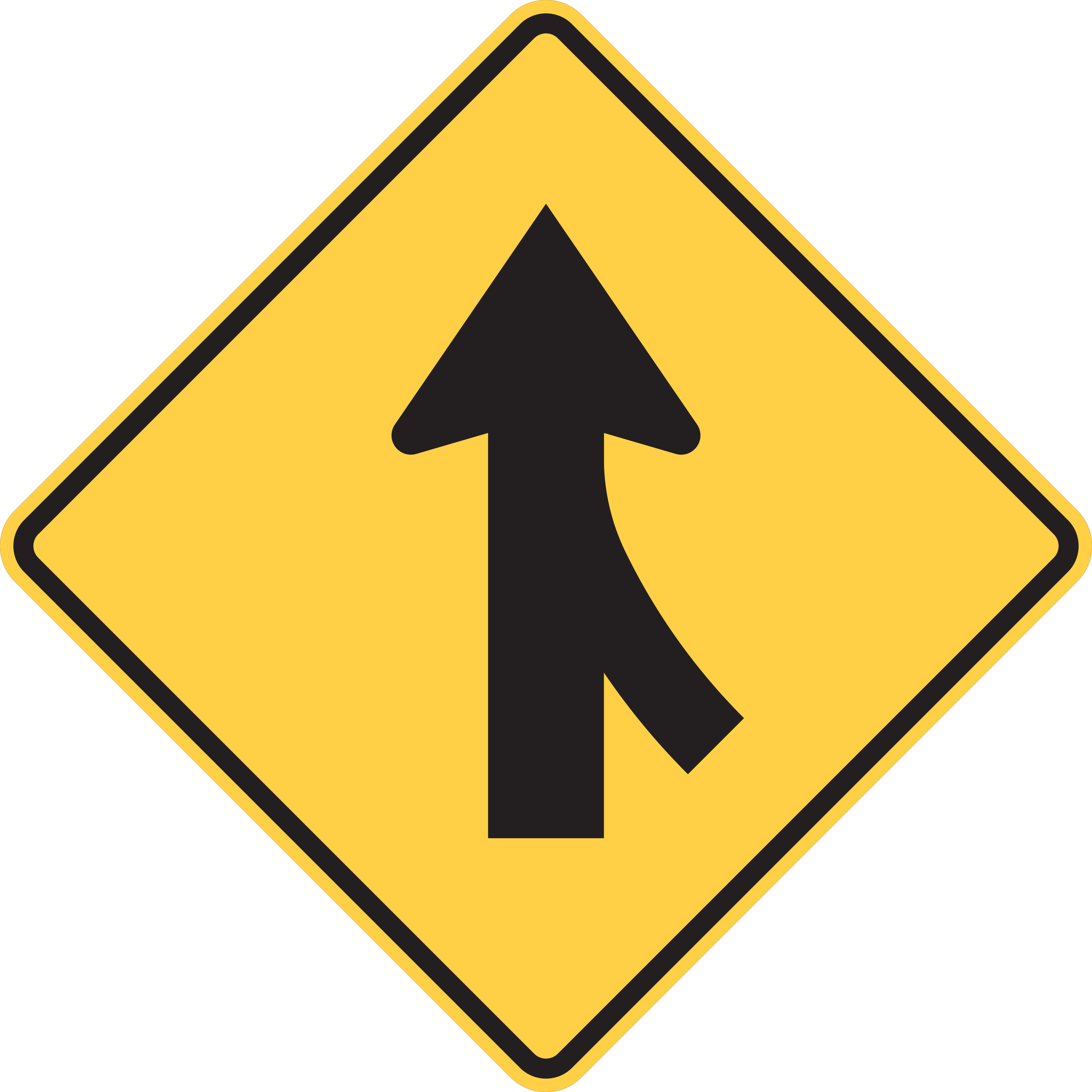
Merge Sign (Merging Traffic)
Traffic from another roadway will join the main stream ahead.
Pennant: no-passing zone
The long yellow triangle points sideways and identifies a no-passing zone. Do not confuse it with the downward yield triangle: outline, orientation, color and wording work together.
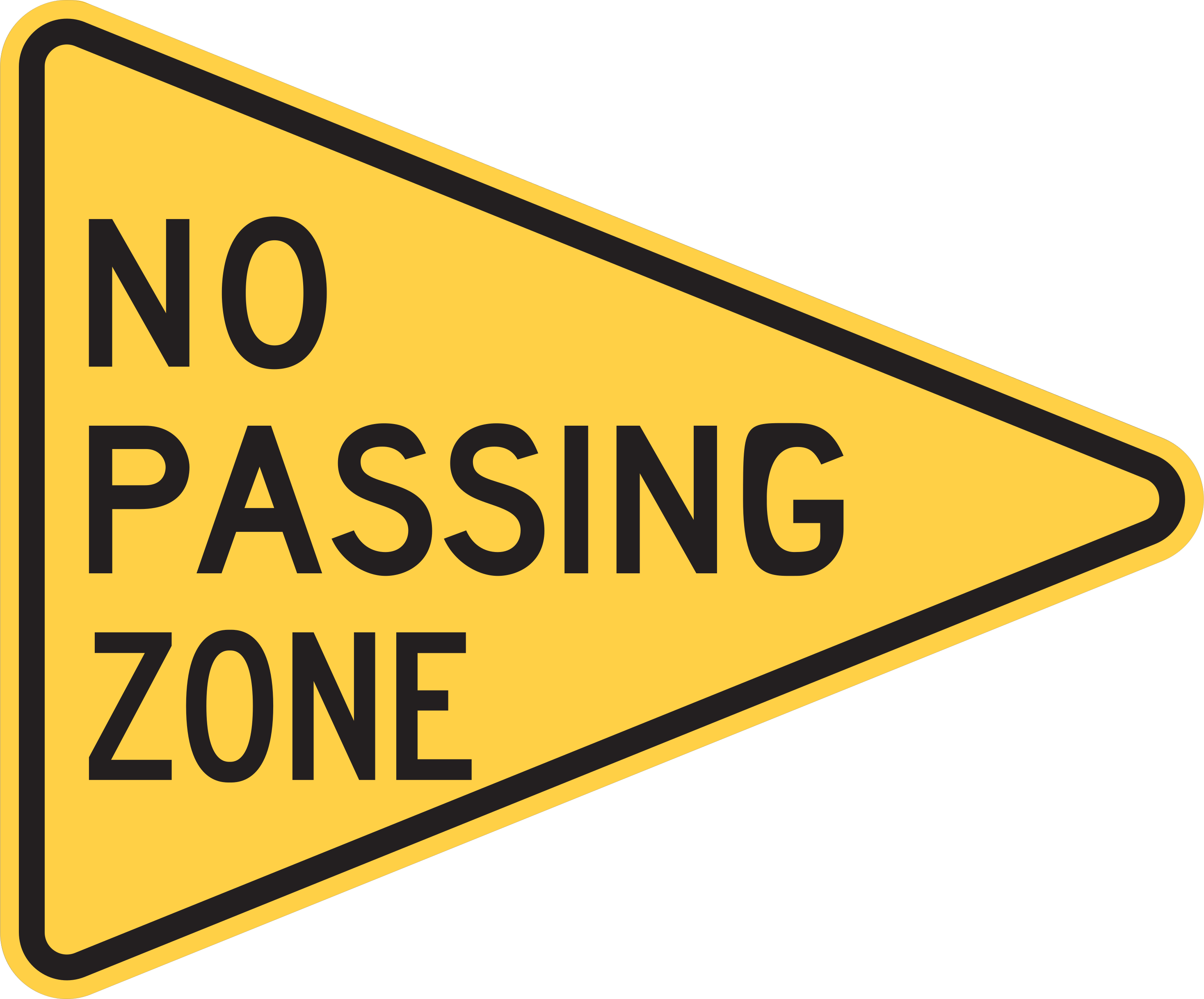
No Passing Zone sign
The yellow pennant identifies the beginning of a no-passing zone.
Pentagon: school context
The five-sided school panel calls attention to children. Read any additional arrow or advance plaque to distinguish an area warning from a crossing location. Separate posted speed conditions must be read for themselves.
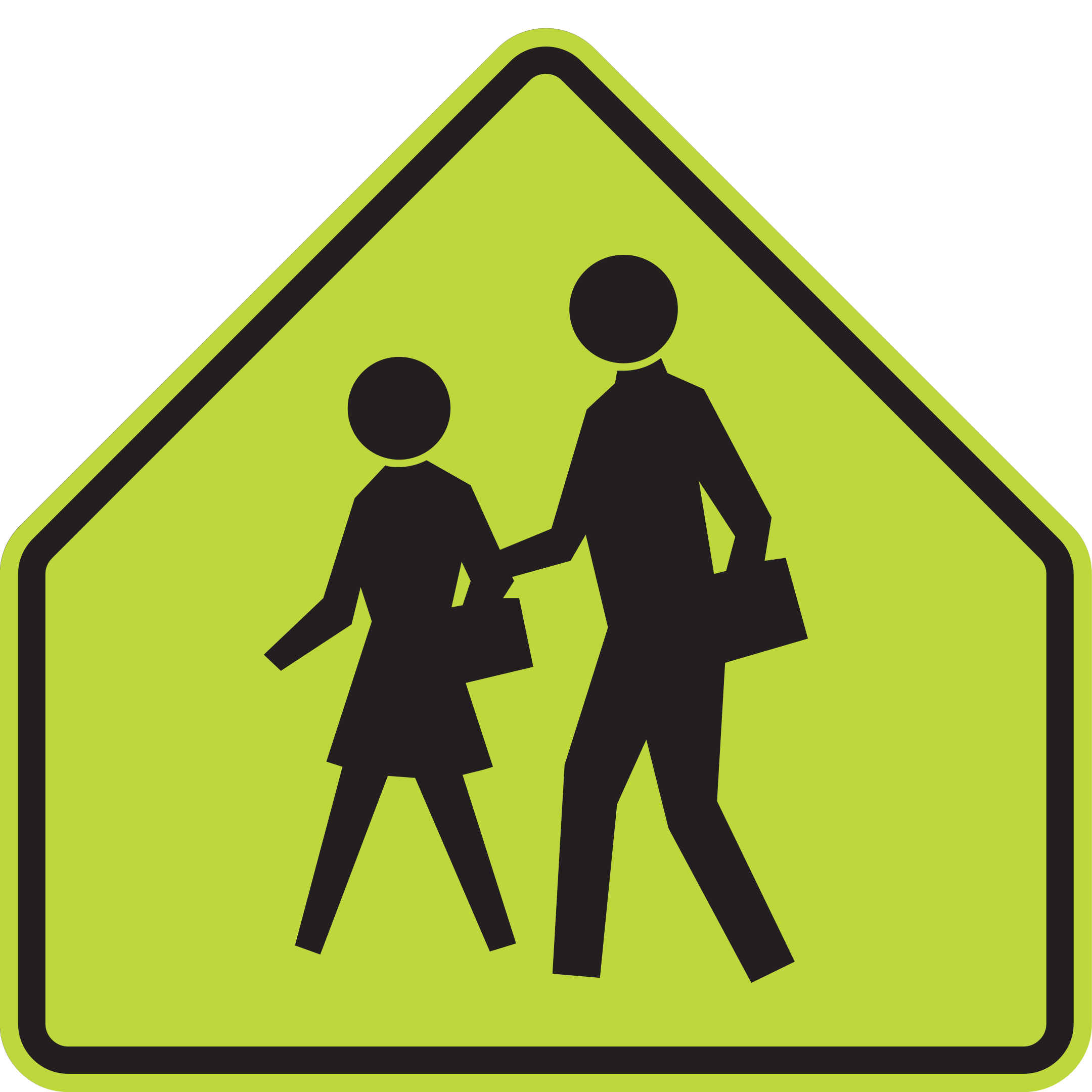
School area
You are approaching a school area or entering a designated school zone.
Circle and crossbuck: different railroad roles
The round yellow railroad warning announces tracks ahead. The white crossed boards mark the crossing itself. Observe all actual signs, signals and gates rather than treating either shape as proof that the tracks are clear.
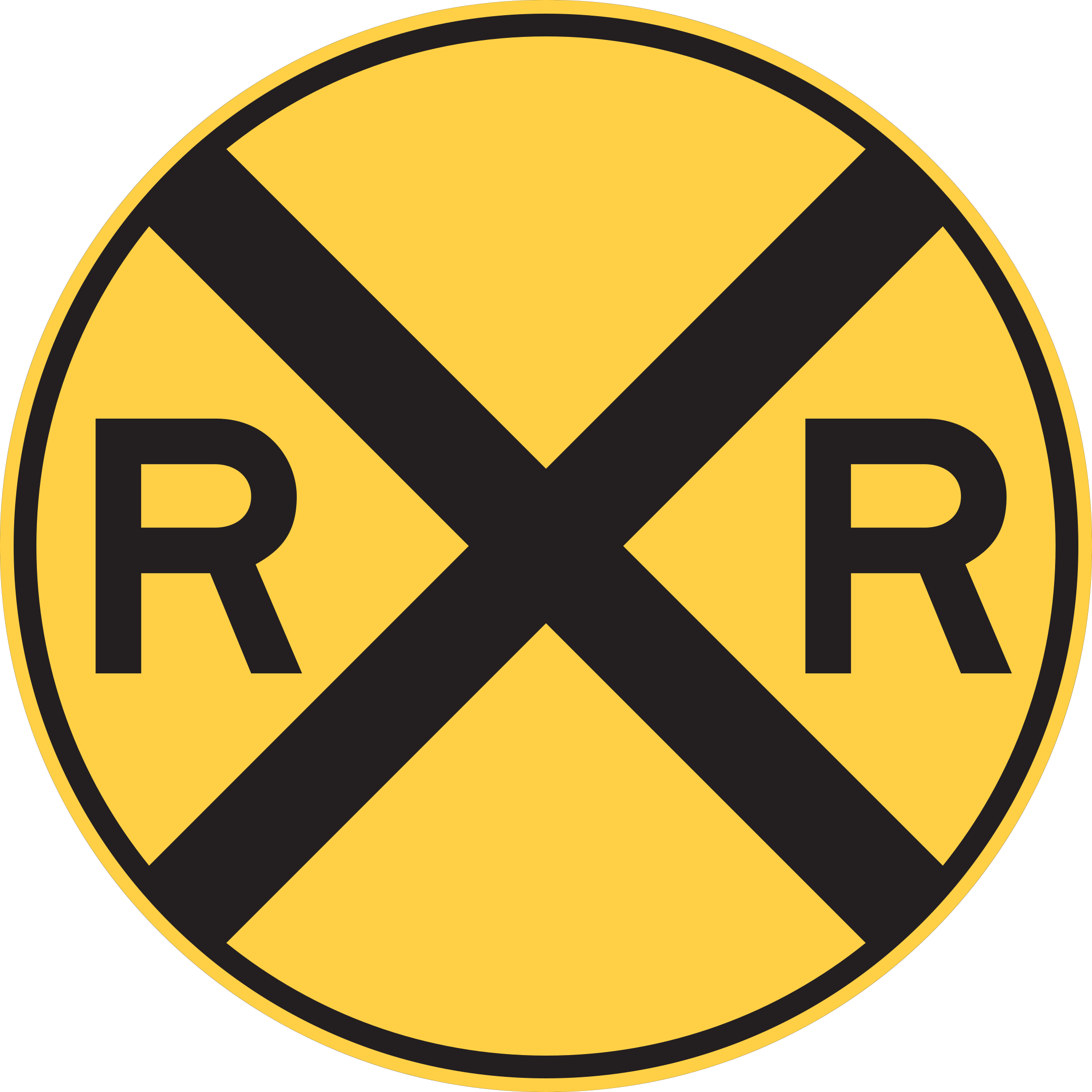
Railroad Crossing Ahead Sign
A railroad grade crossing is ahead.
Read color in context
Red appears in stopping, yielding and prohibited-entry messages, yet those controls do not all require the same response. Black and white commonly carry regulatory wording. Yellow warns of conditions ahead; orange identifies work-zone warnings. Green helps with route or destination guidance, blue with motorist services and brown with recreation or cultural-interest guidance. The actual symbol or words explain which particular condition, service or destination is meant.
Do not rely on color alone. A school symbol, its panel shape and its supplemental plaque supply information together. A white highway shield contains a route number, while a white SPEED LIMIT rectangle contains a regulatory value. The same numeral can answer entirely different questions depending on the assembly. Read the whole sign before interpreting the number.