
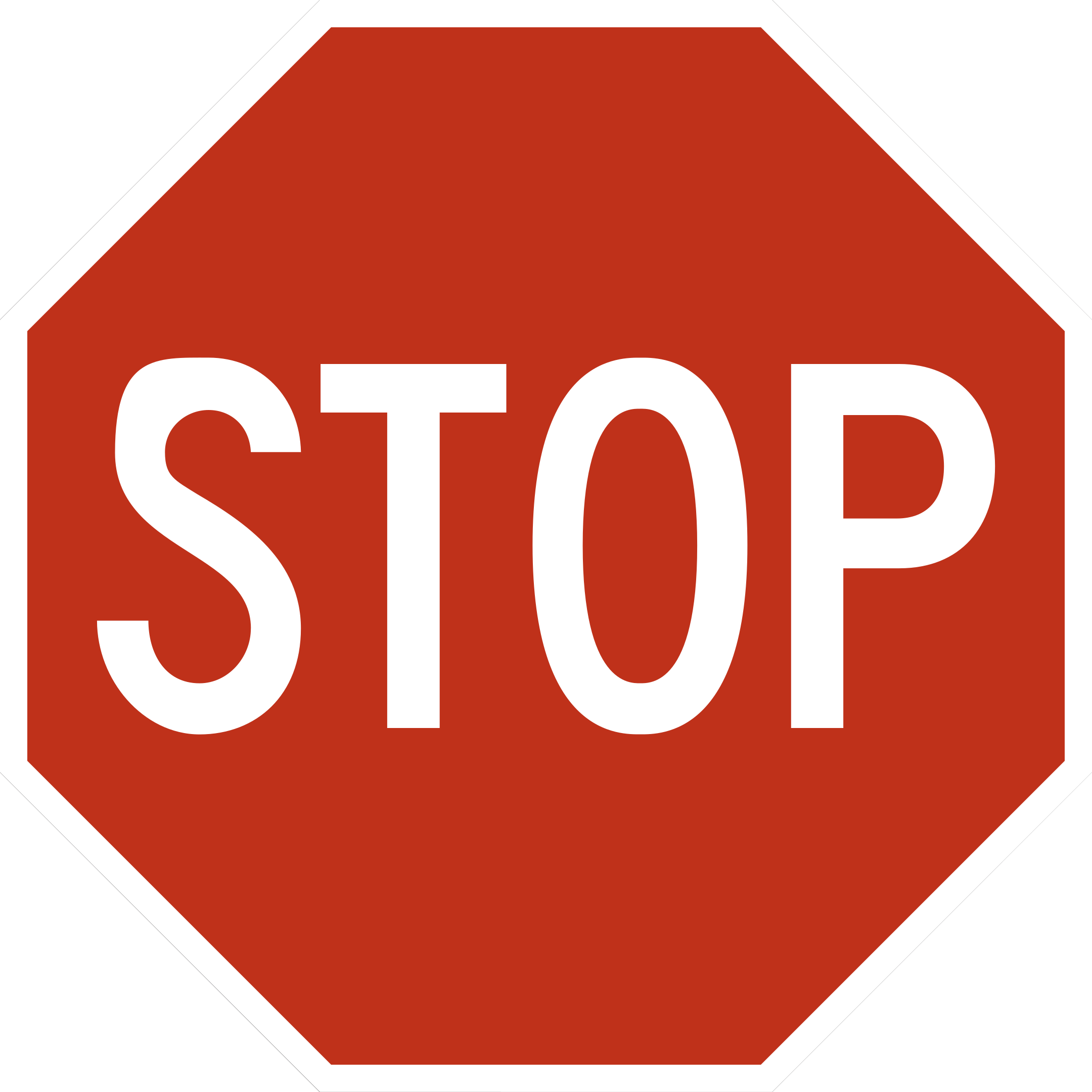
Stop sign
Complete stop, then proceed only when safe.
Twenty recognition reminders for screen or print. Read the actual words, direction, number and added plaques on the road; the values in these illustrations are examples. Labels and short responses remain readable in black and white, so color is never the only clue. Cover the captions and name the action before reading them. For STOP, distinguish the complete-stop requirement from the later decision that the path is clear. For YIELD, explain why stopping depends on the conflict rather than treating the triangle as an octagon. For route, service and warning signs, first decide which kind of information the panel supplies.
Use your browser's print command without JavaScript. Choose Letter or A4 and the normal scale; the compact sheet is designed for one page. Check print preview because browser headers, footers and scaling can change pagination.
Complete stop, then proceed only when safe.
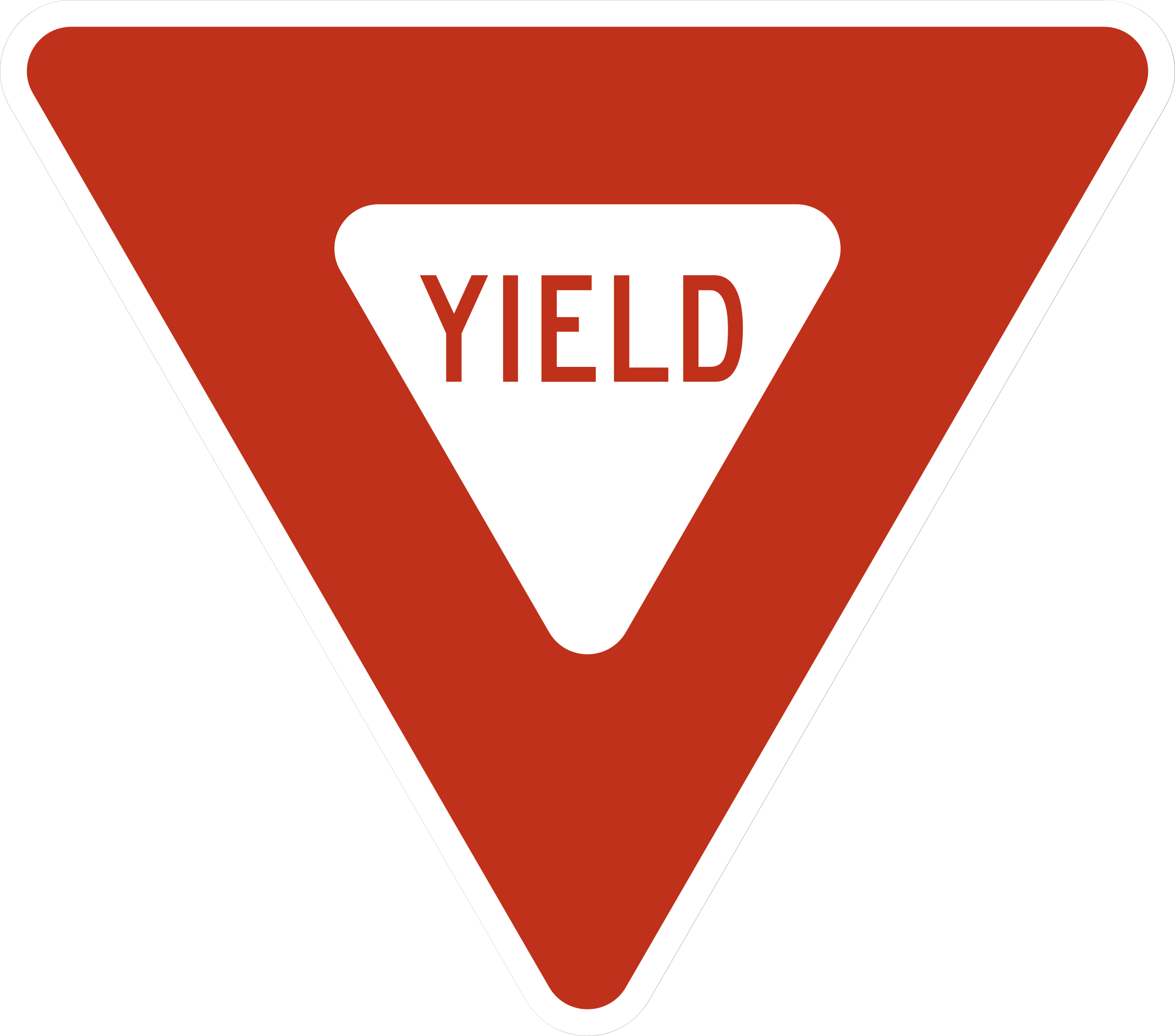
Give way; stop when necessary.
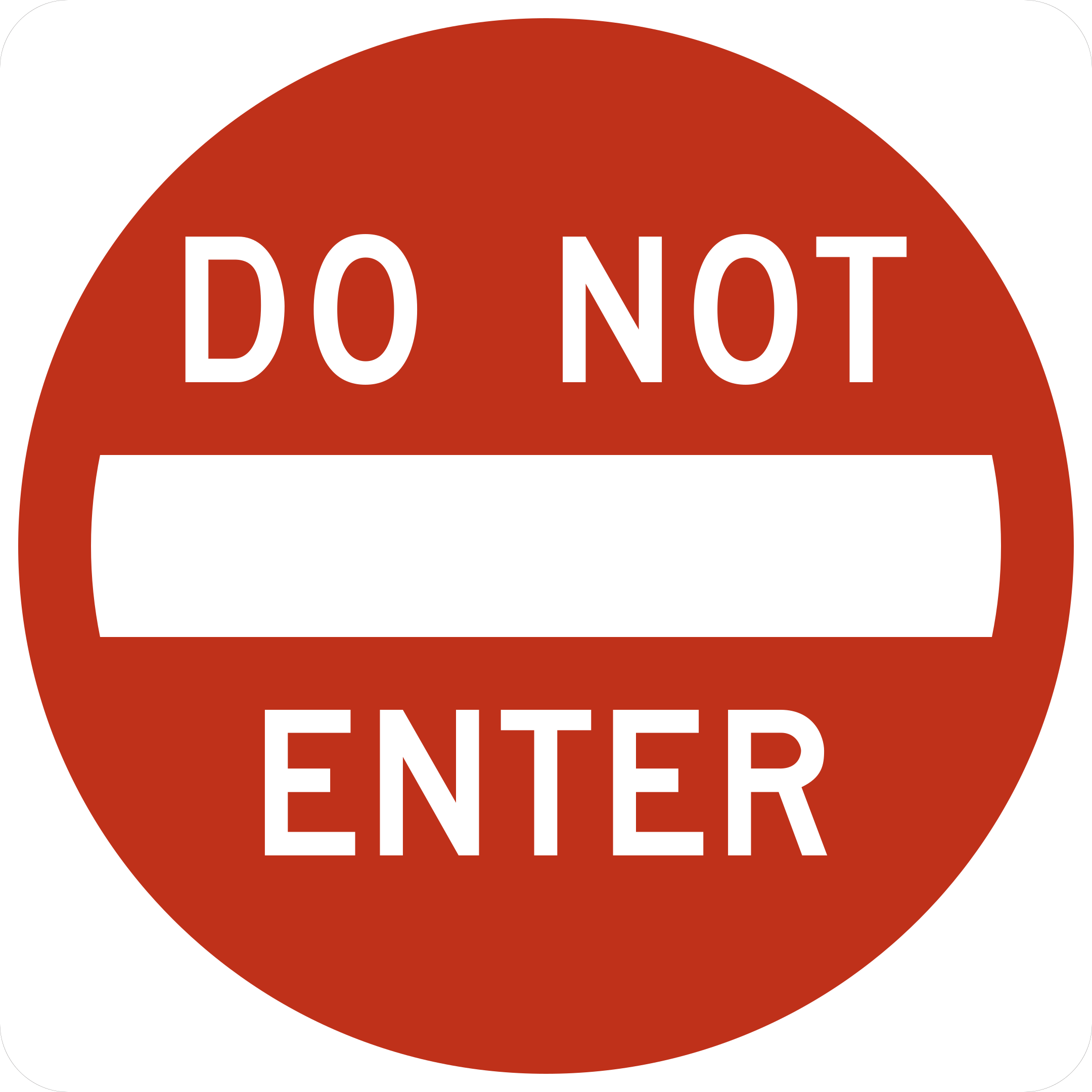
Do not enter from this direction.
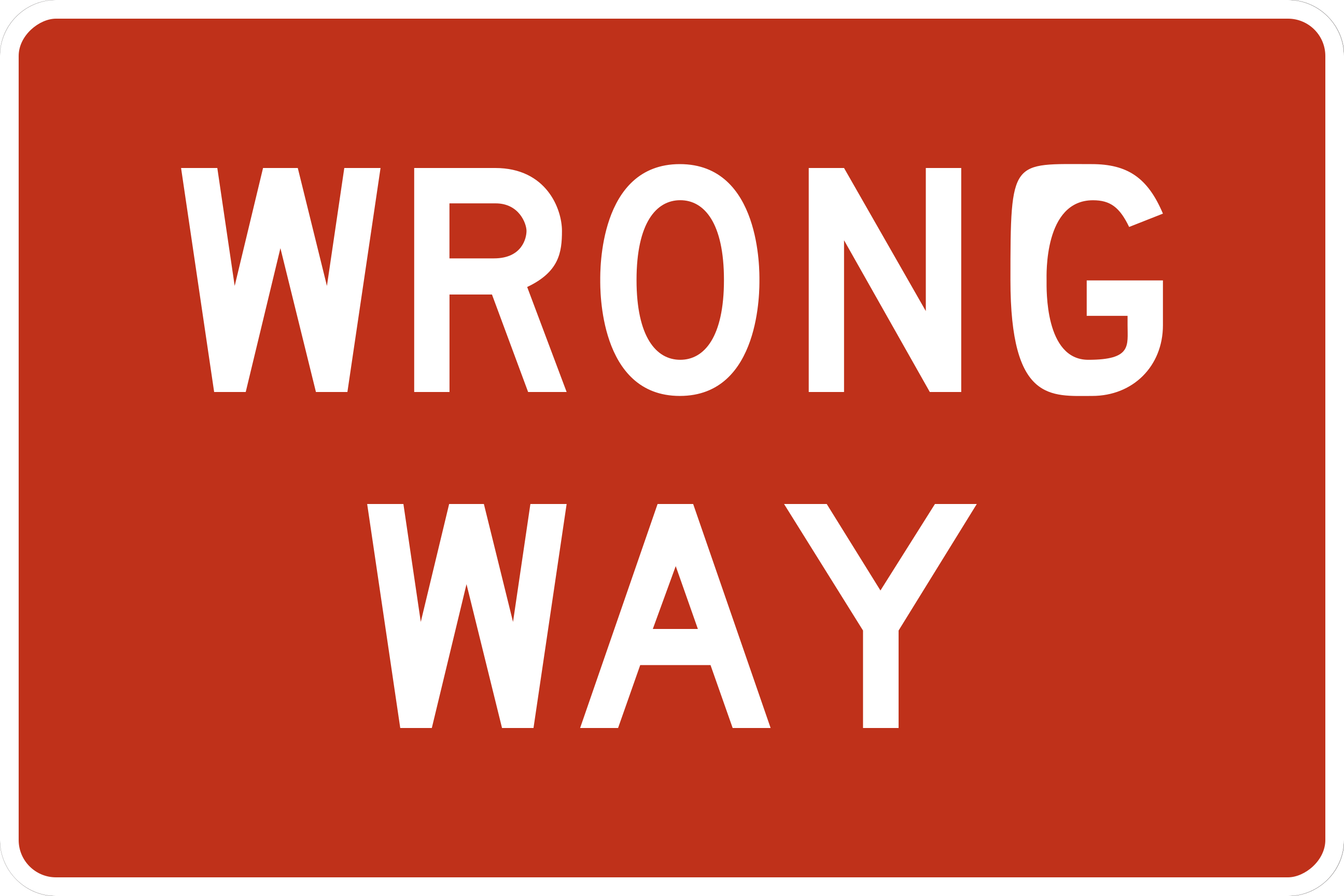
You are facing opposing traffic.
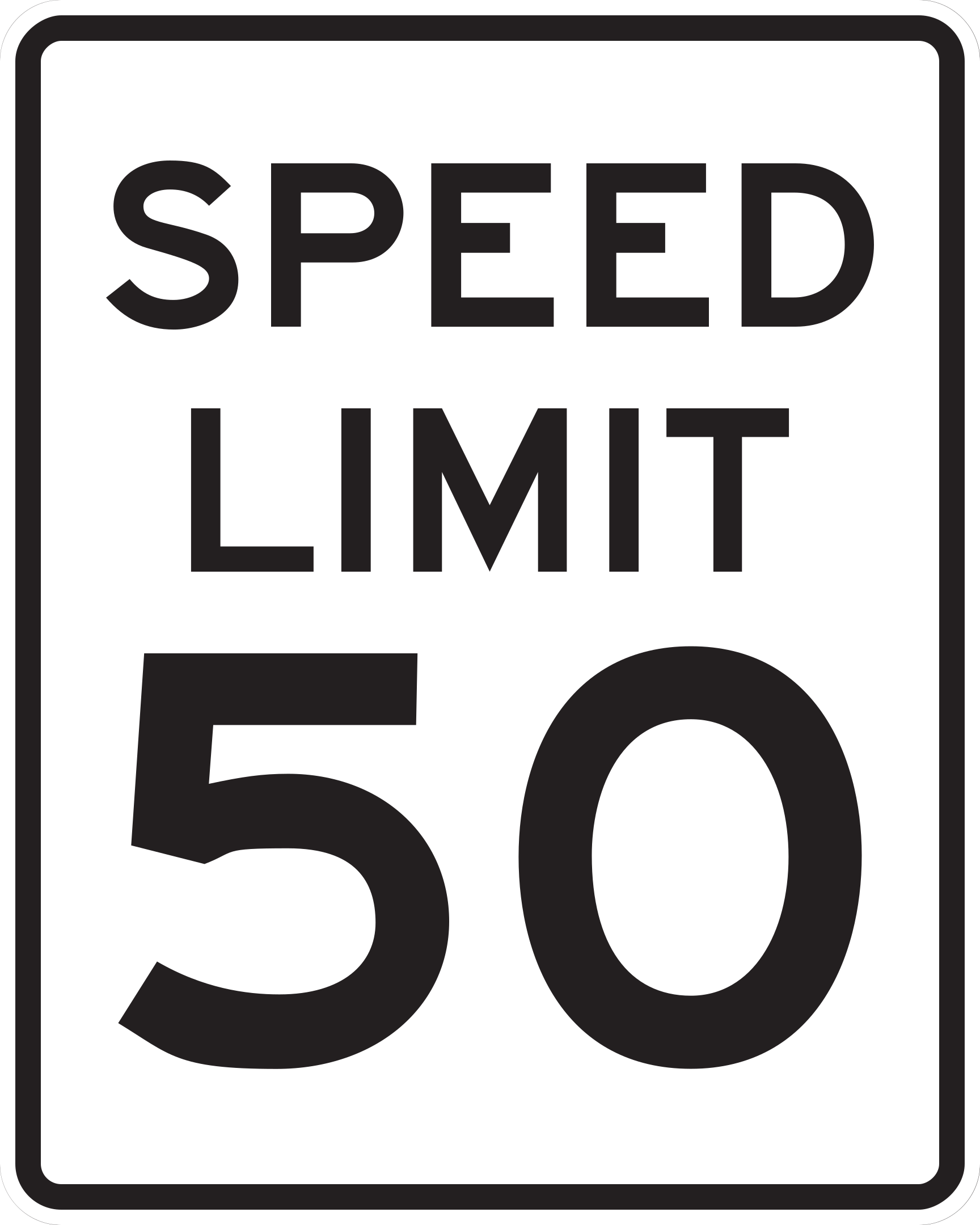
Posted maximum; conditions can require less.
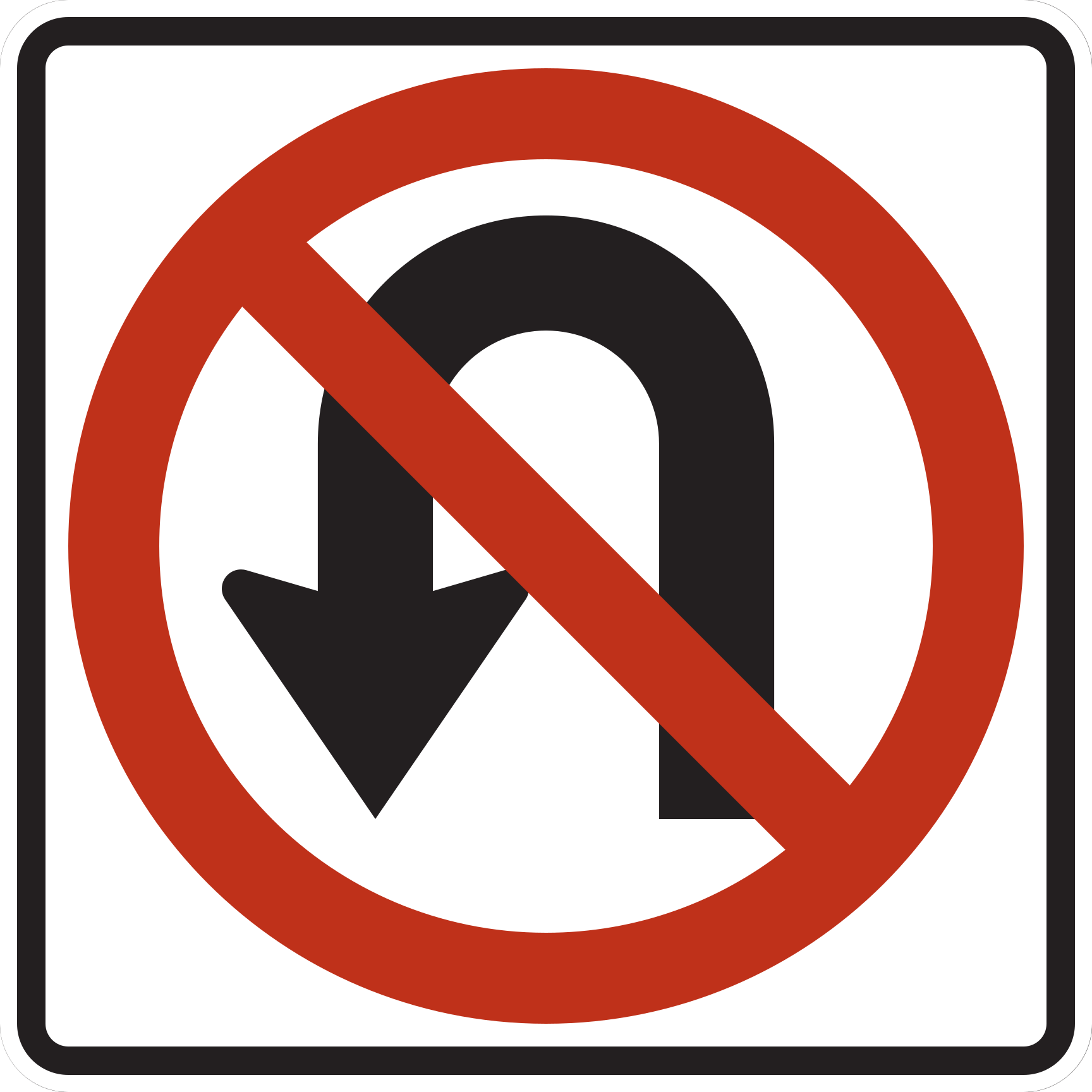
Do not reverse direction here.
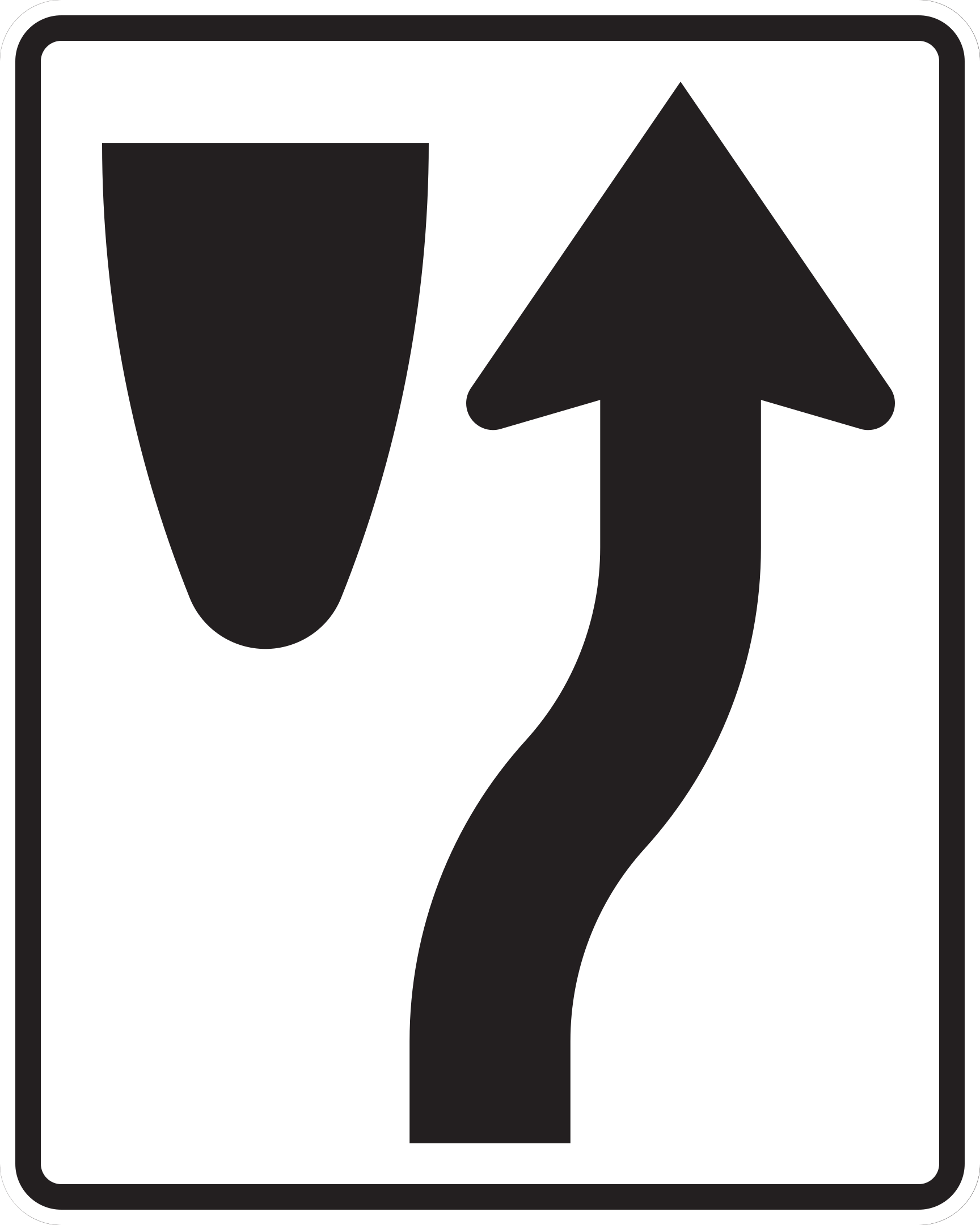
Pass to the right of the obstruction.
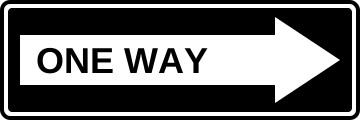
Travel only in the arrow’s direction.
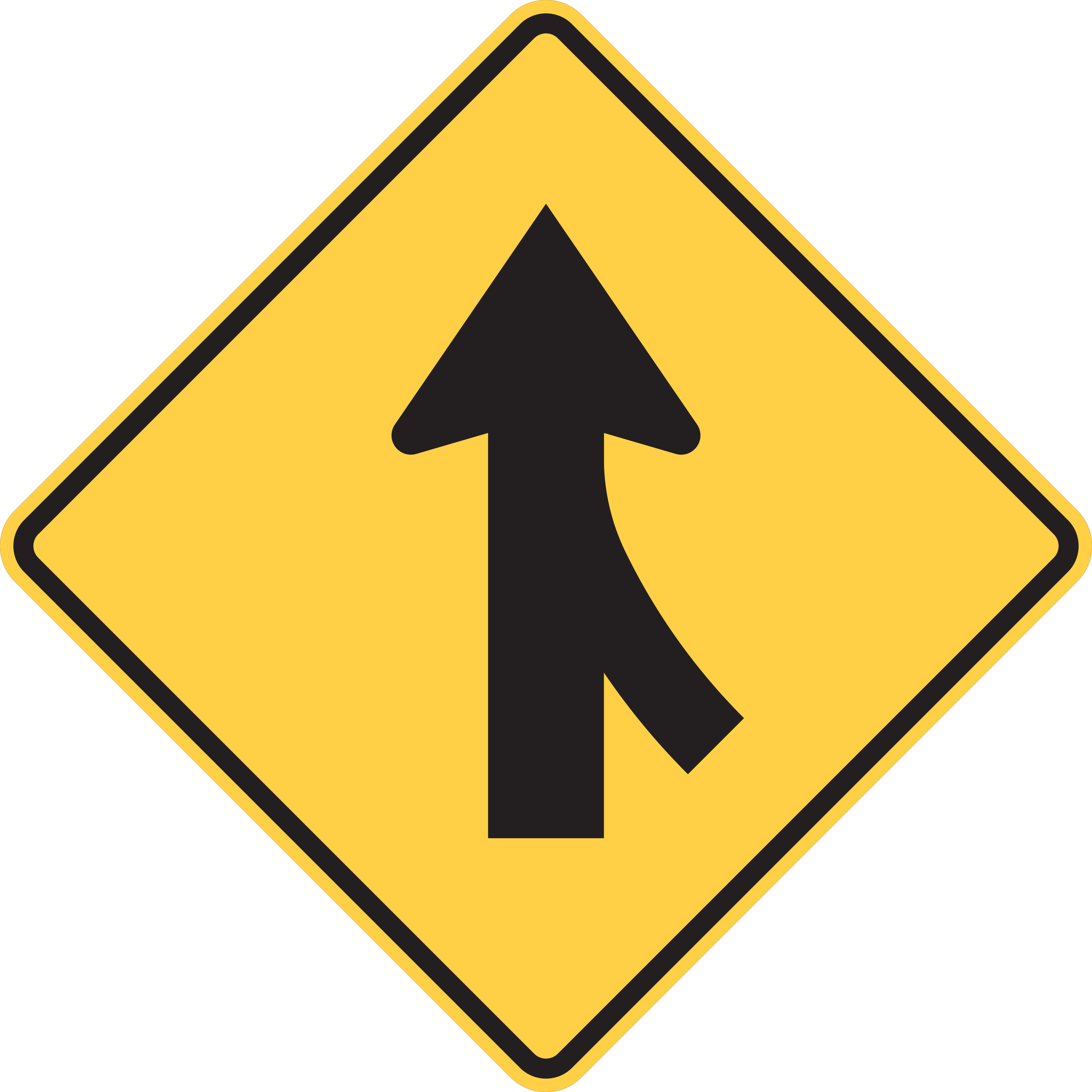
Another roadway joins a shared path.
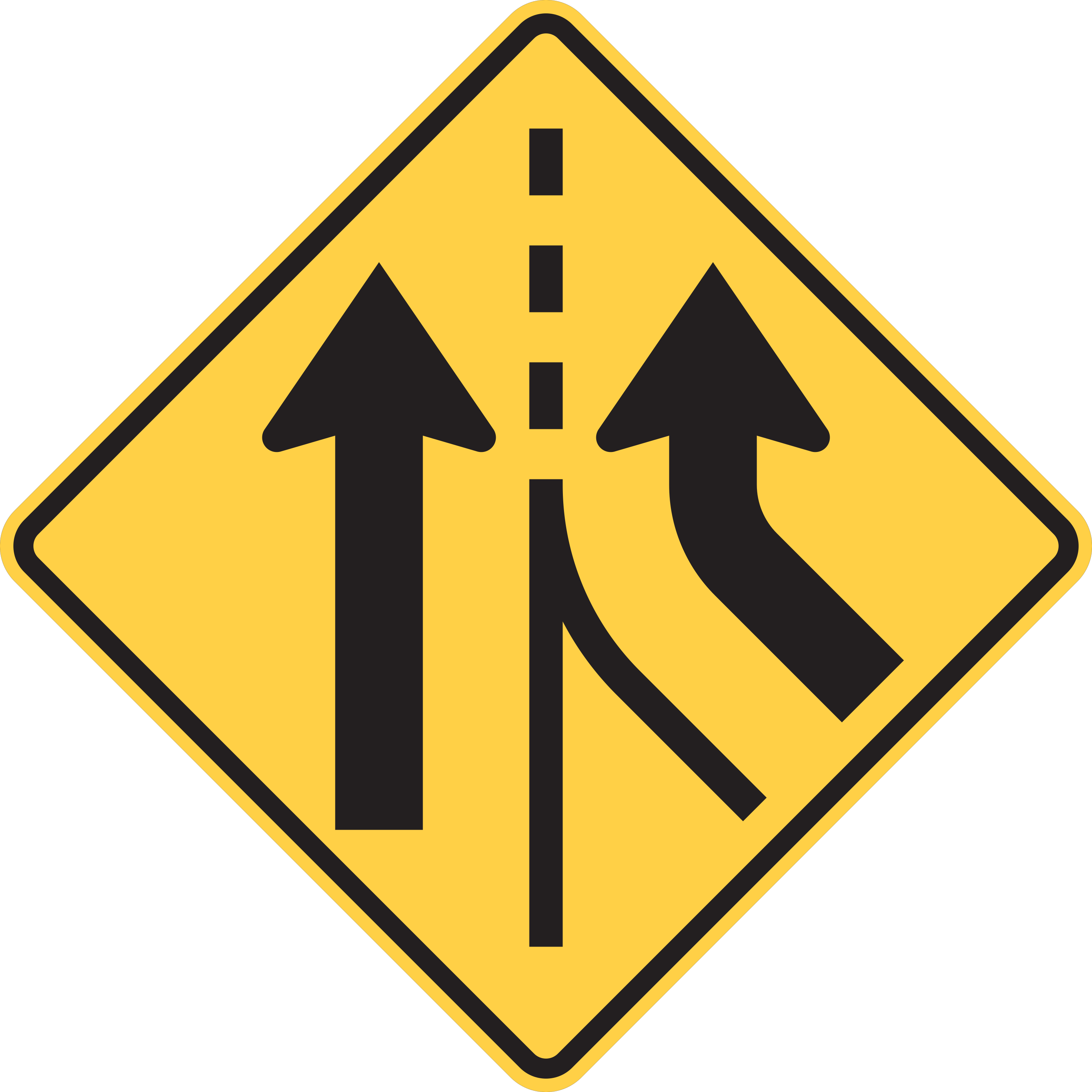
An entering roadway adds a continuing lane.
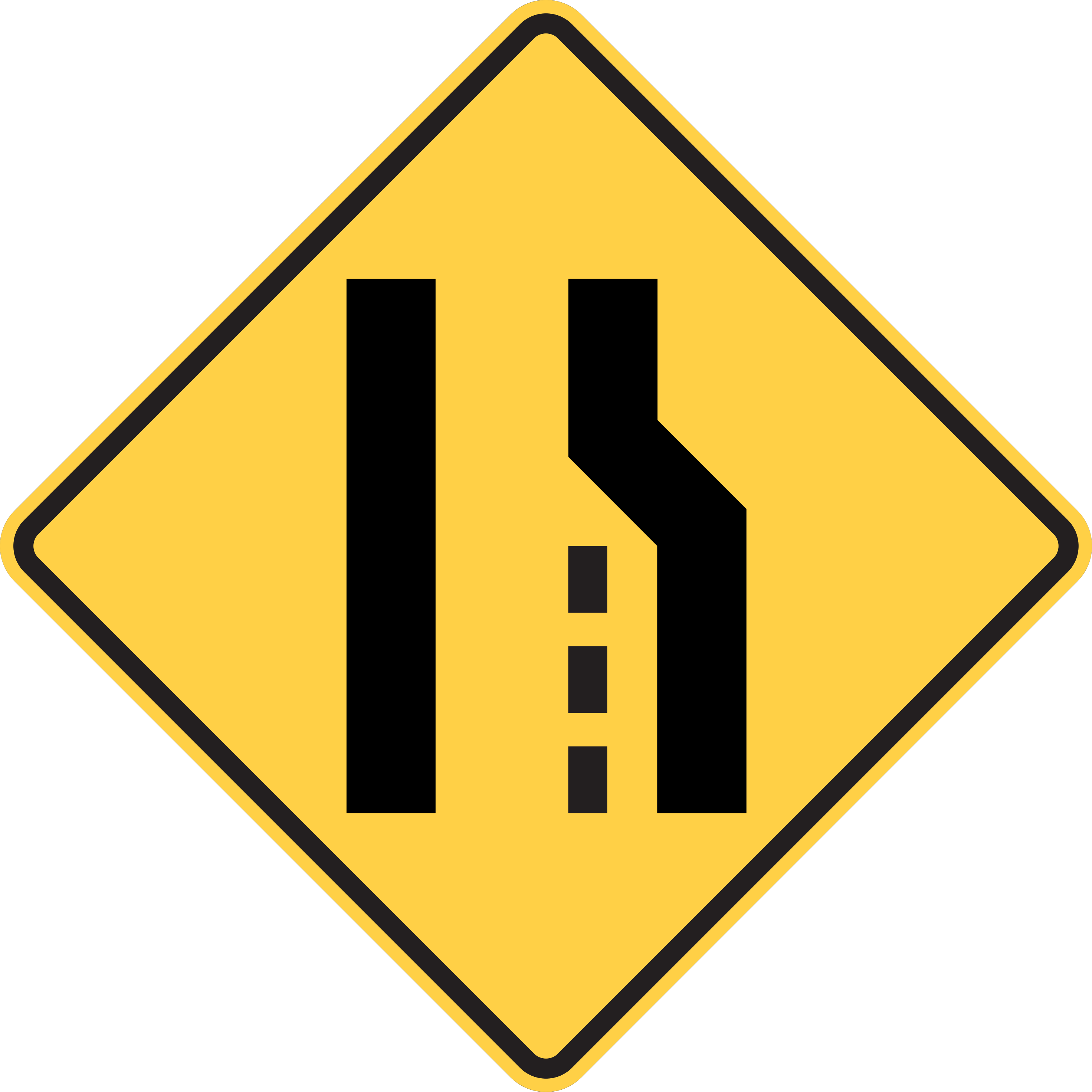
A lane ends; prepare for a safe merge.
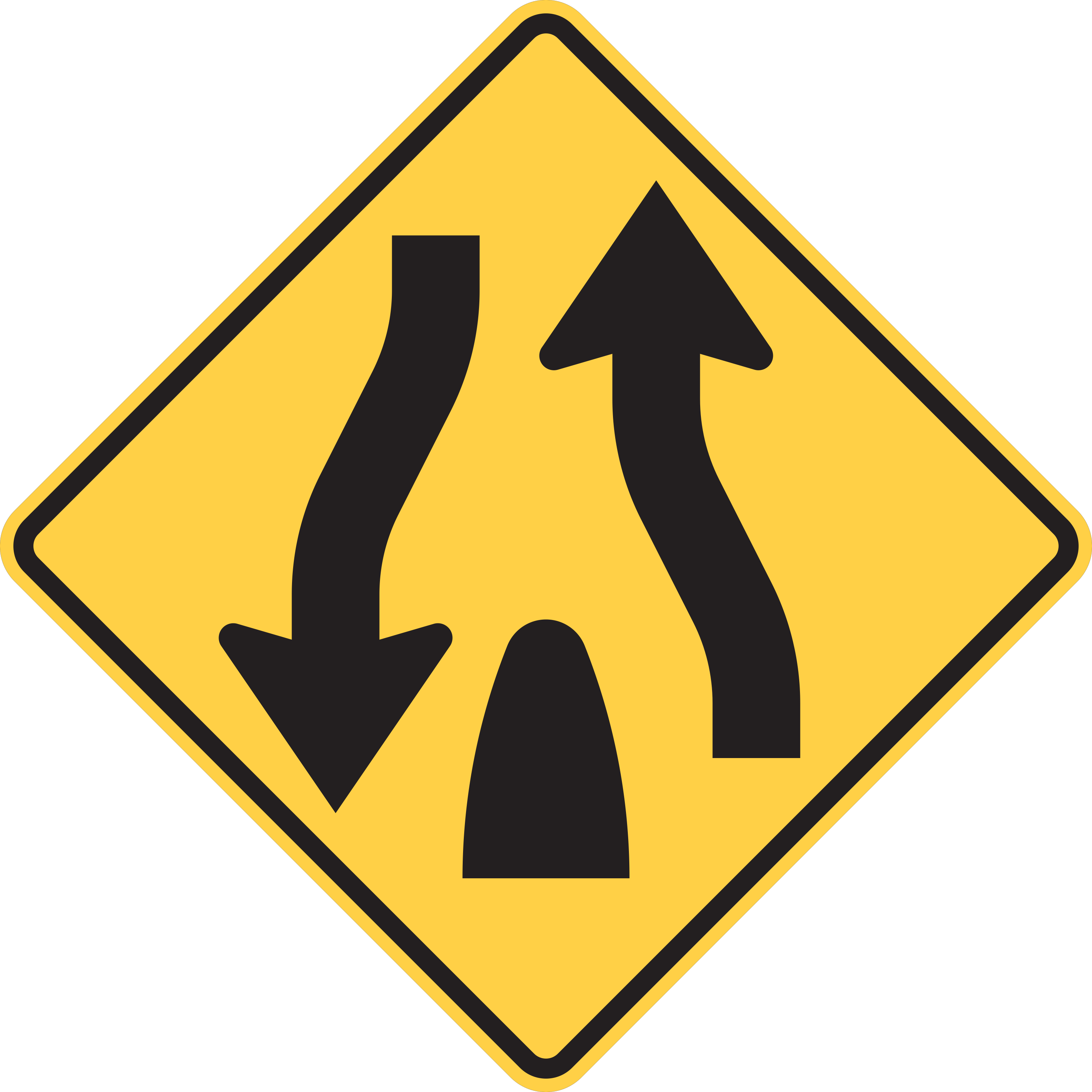
The physical median ends ahead.
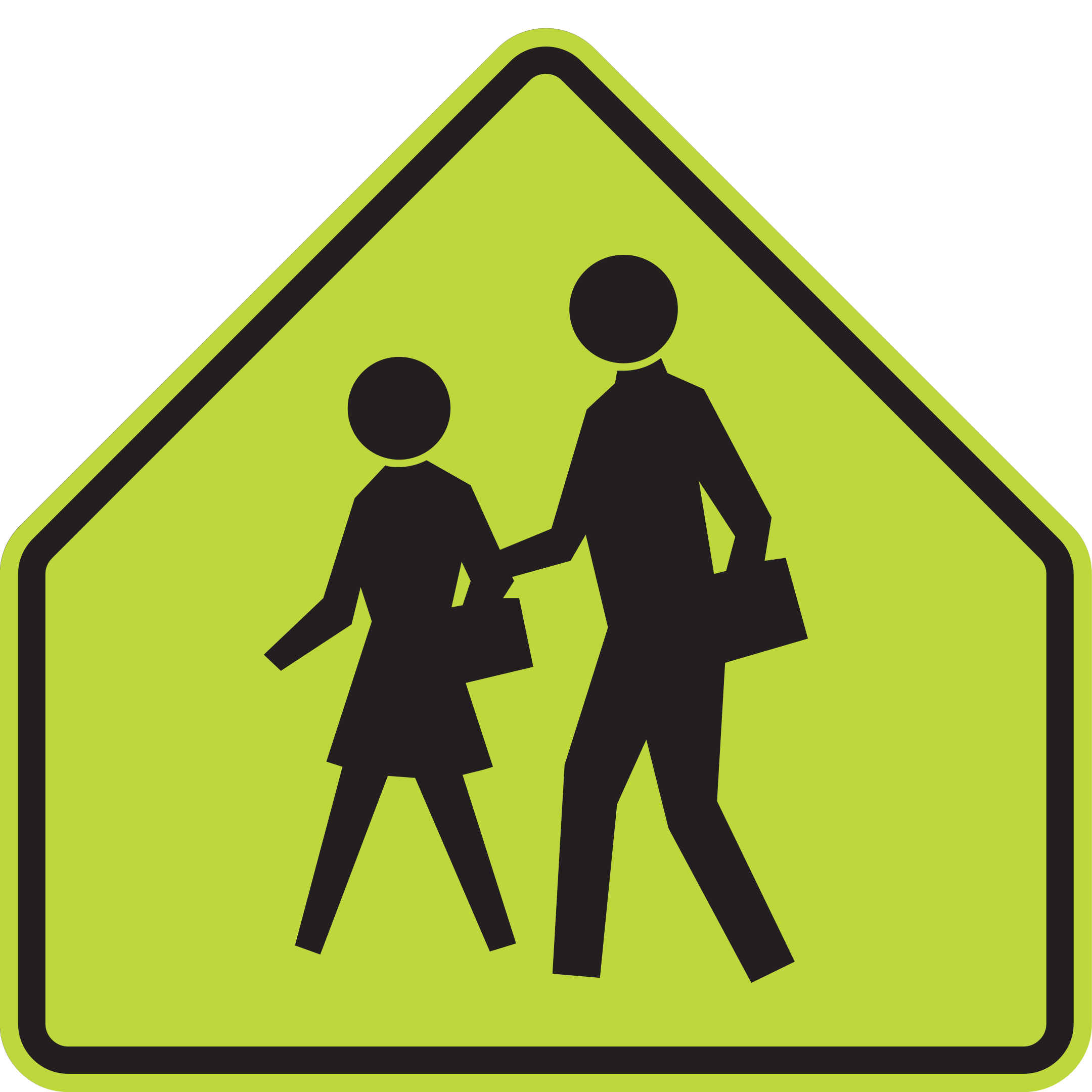
Watch for children; read added plaques.
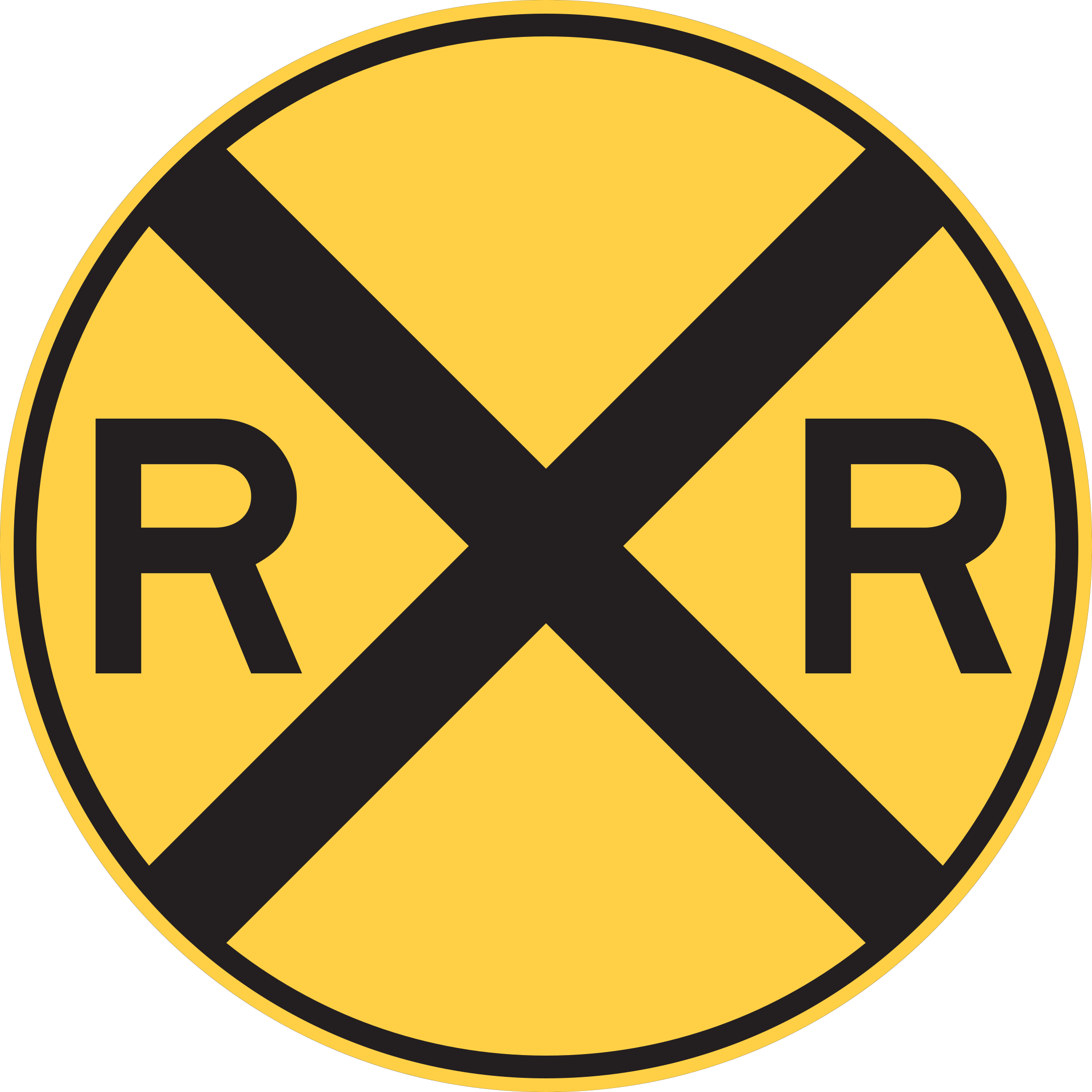
Railroad crossing ahead: prepare.
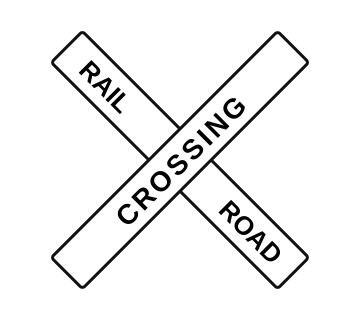
At the tracks: observe all crossing controls.
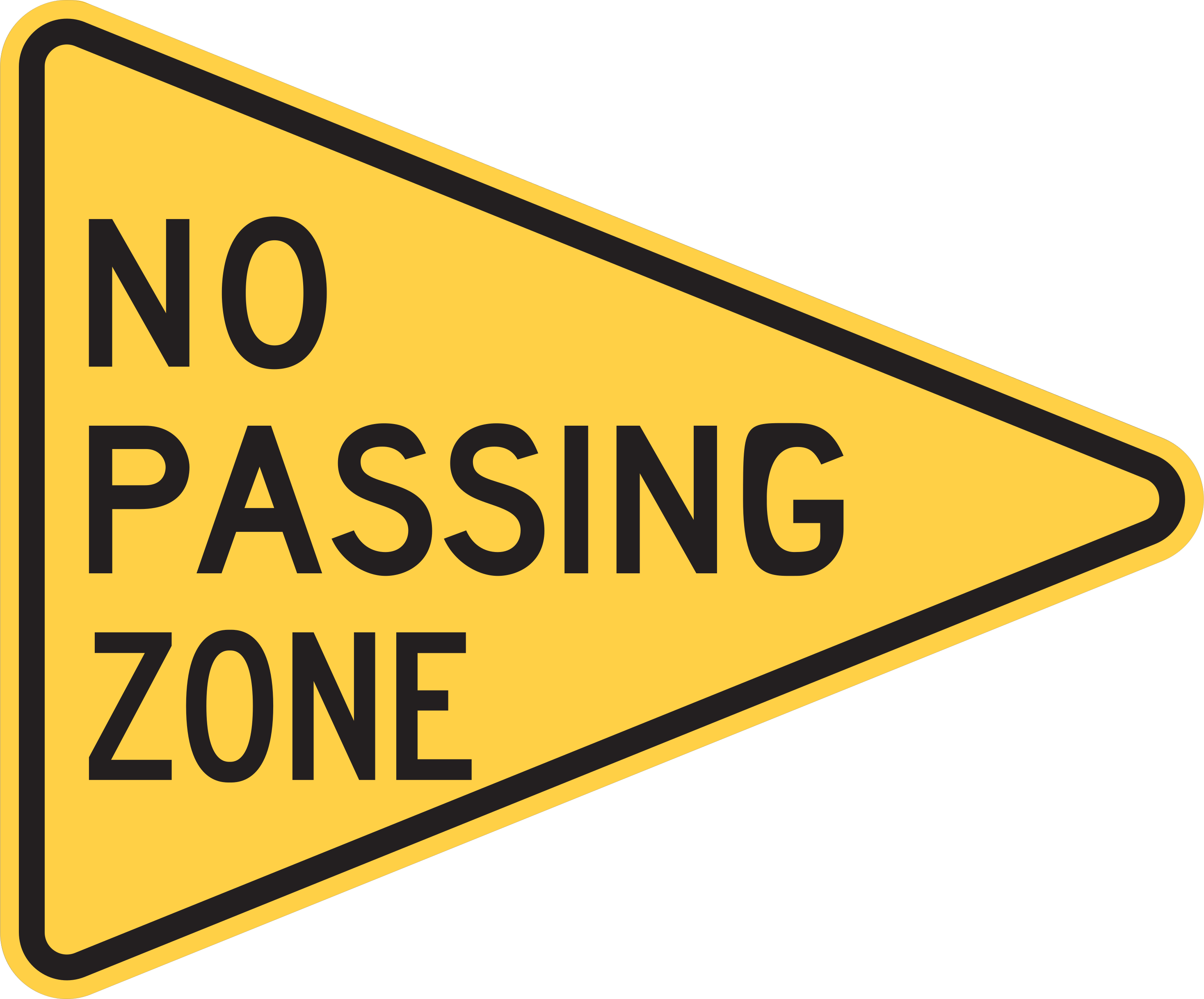
Beginning of a no-passing zone.
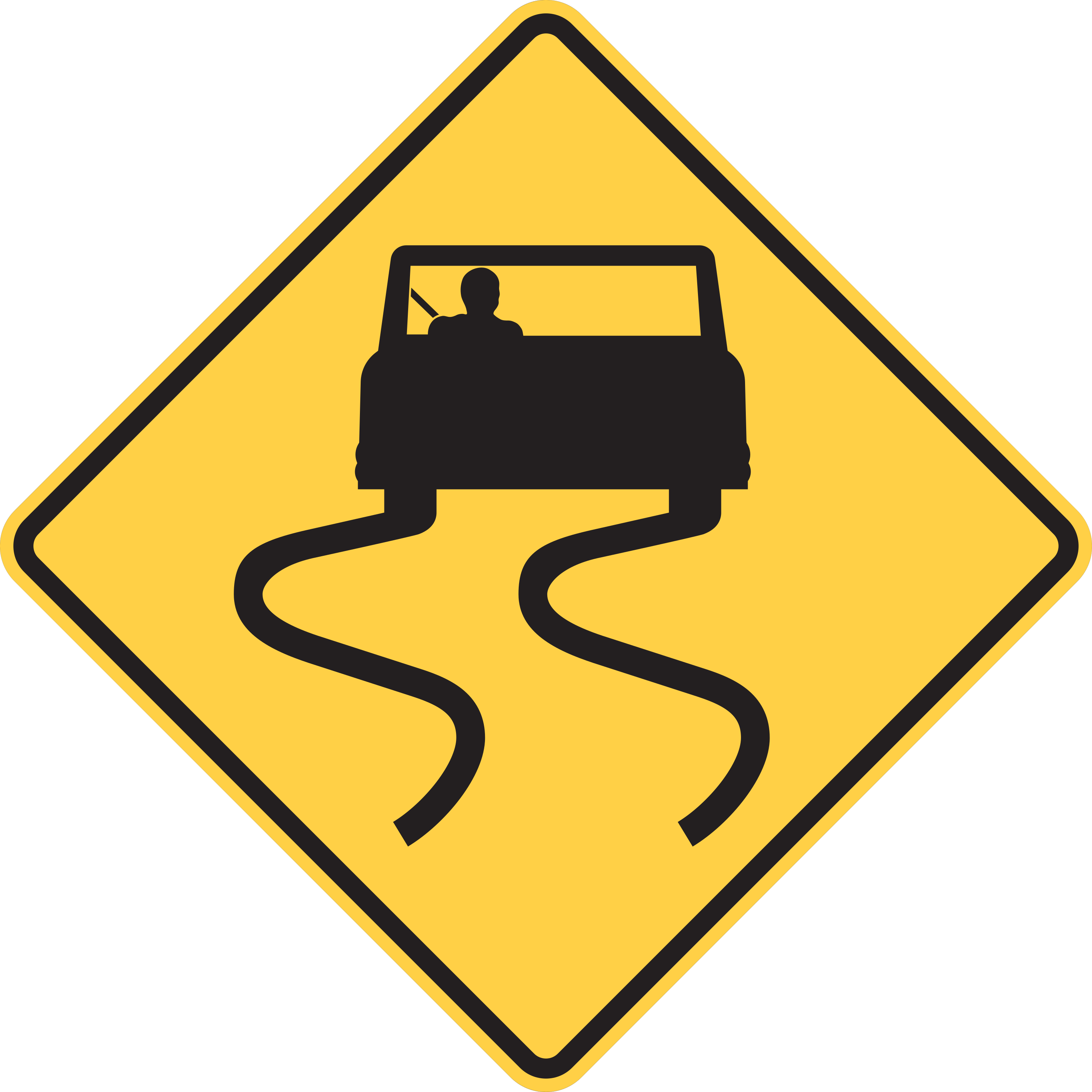
Traction warning; use smooth controls.
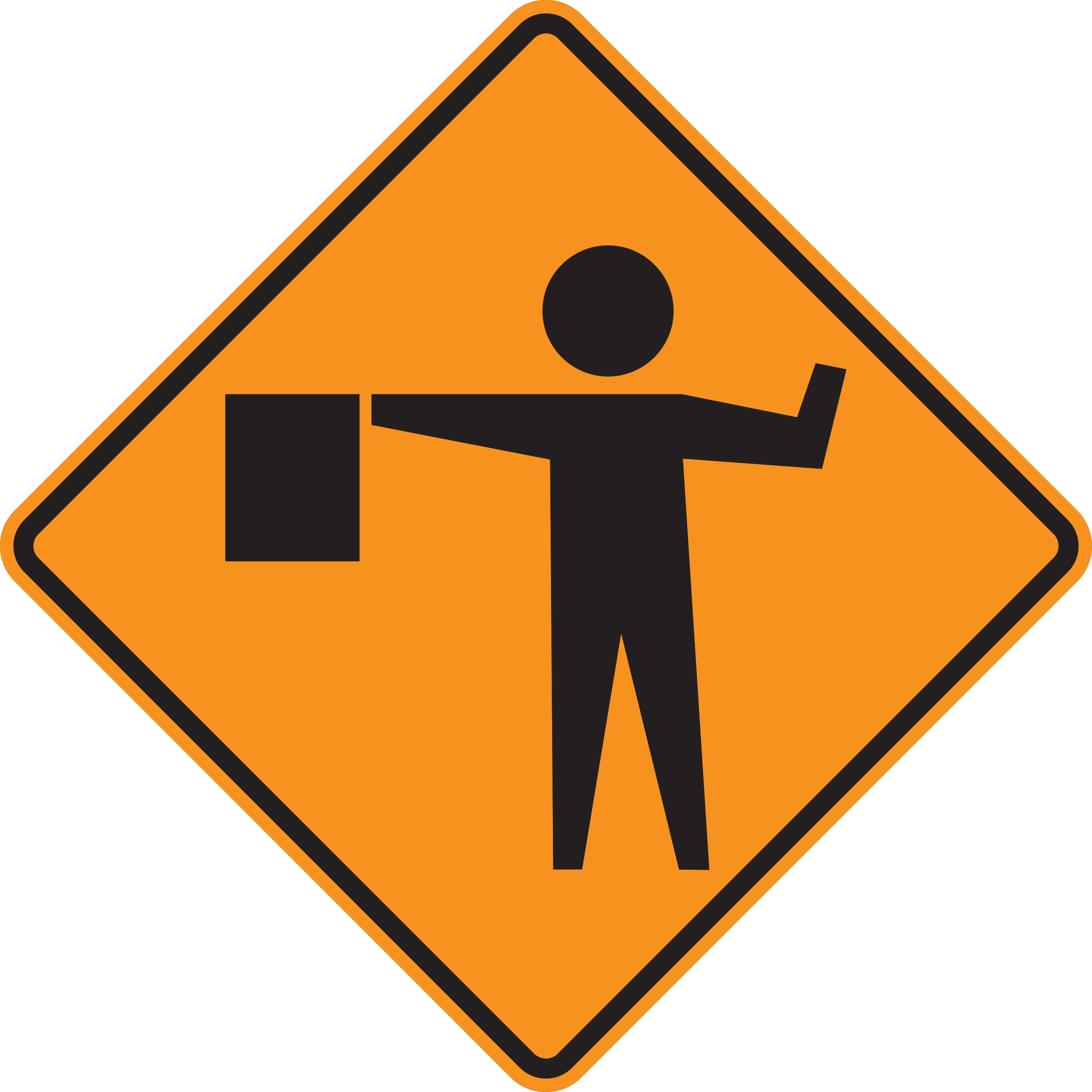
Expect a person controlling traffic.
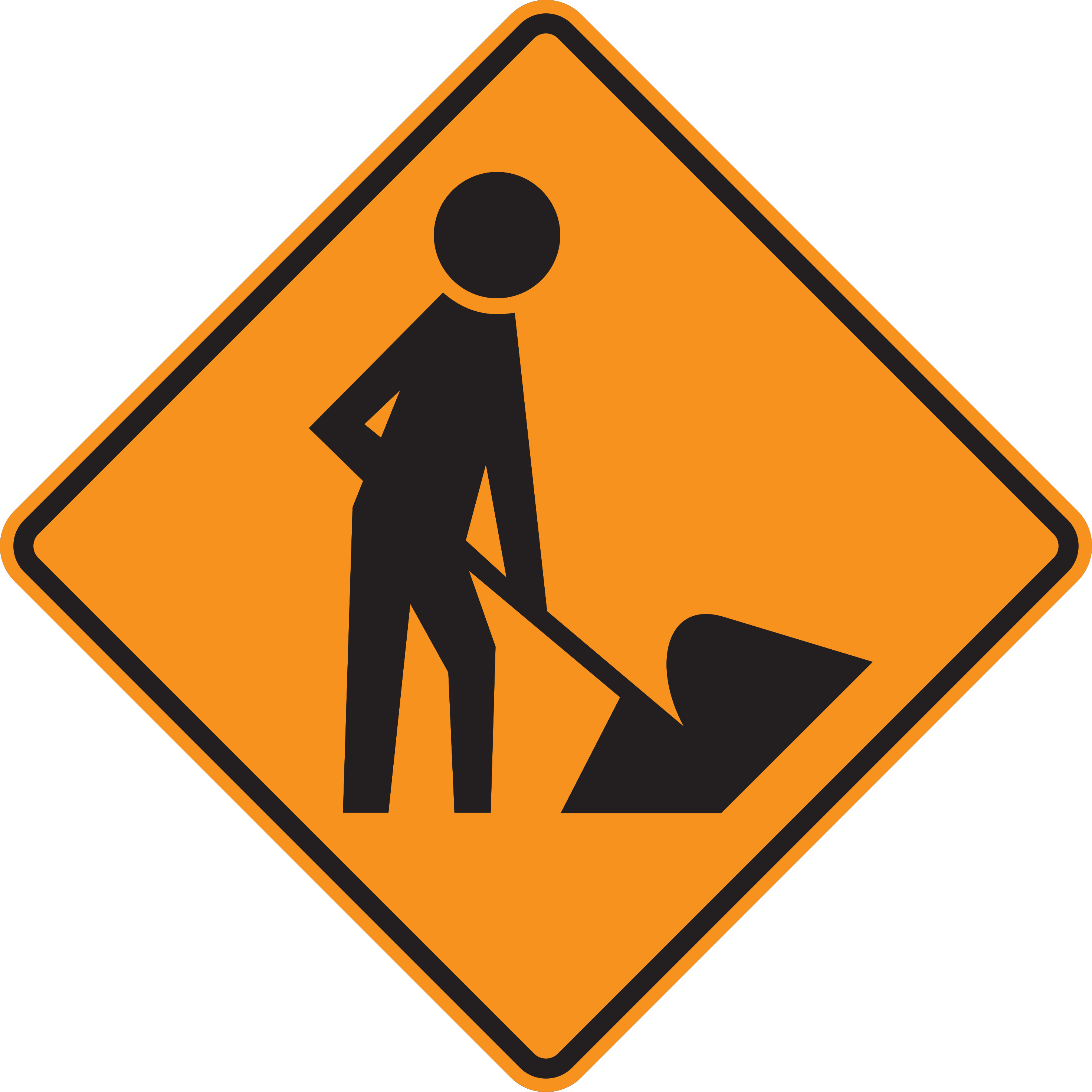
Watch for people and equipment.
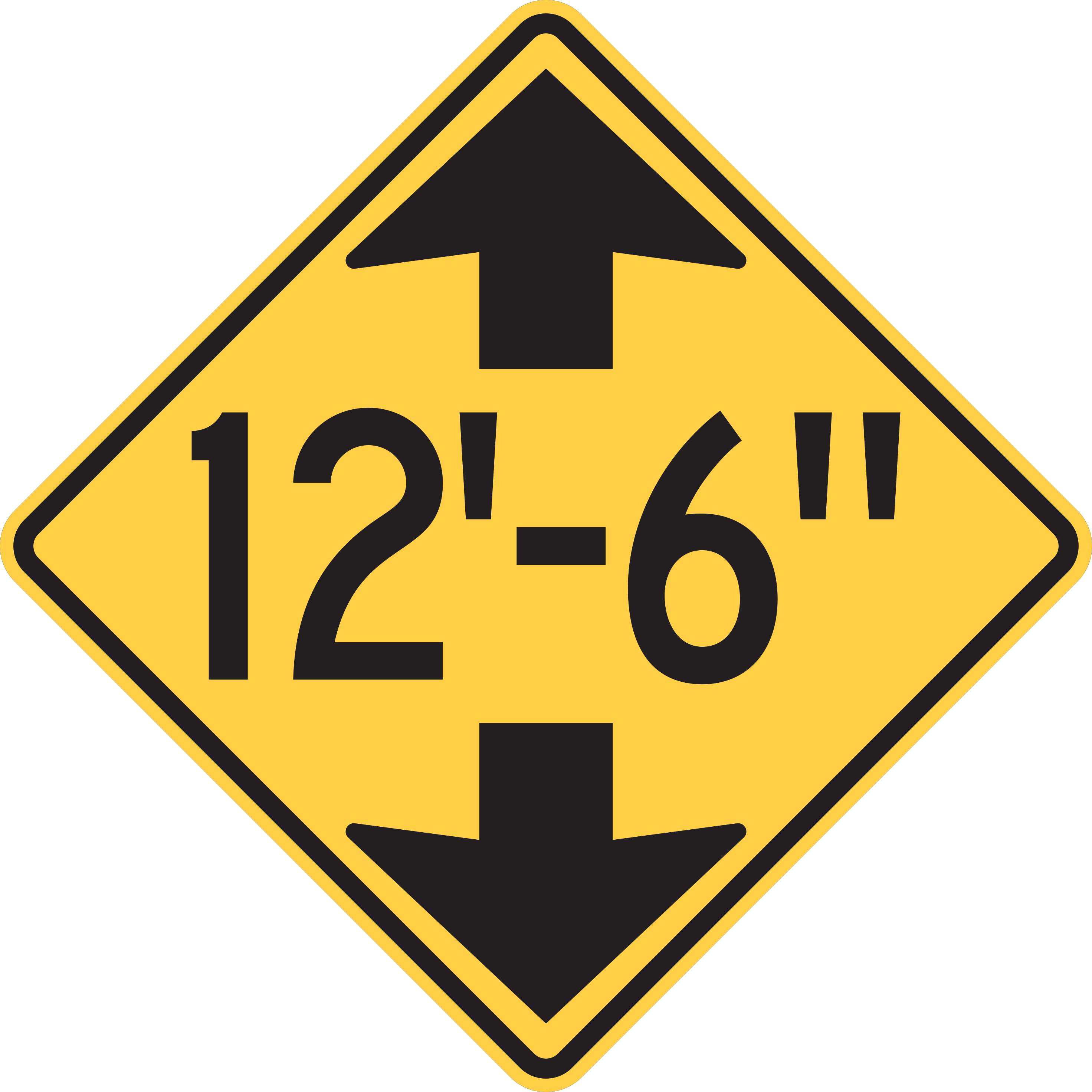
Compare posted height with full vehicle height.
Independent study reference · dmvpracticelab.com/road-signs/ · Full guides include published sources and illustration credits. Not a state exam or a substitute for state rules.
Compare the three joining-road pictures. MERGE has a branch joining a main path. ADDED LANE keeps two paths continuing separately. LANE ENDS describes a reduction. These are related traffic situations, but their pictures are not interchangeable. Follow the actual markings and check a safe gap before any lane change.
Next compare the round railroad warning with the crossbuck. One gives advance notice, and the other marks the crossing. Neither tells you that a train is absent. At a school assembly, read the plaque rather than inventing a speed or time from the school symbol alone. At a clearance warning, compare the real posted number with your own vehicle and load, not with the example on the sheet.
A printout cannot show every local condition, supplemental message or allowed exception. Open a full sign guide for its handbook references and distinctions, then use your state's handbook and practice for local rules. The twenty cards are a compact review selection from the larger illustrated library, not a claim that only twenty designs can appear on a permit test.