
Diamond-Shaped Signs
A diamond-shaped sign is a useful warning clue, but it does not name the hazard by itself. Three groups deserve different questions: alignment warnings describe the road's direction, space warnings describe available room, and surface warnings describe what the tires will meet. A merge symbol, a low-clearance measurement and the word DIP all prepare a driver for different conditions. Orange work-zone diamonds add another context. Use the gallery to follow the actual arrow, read the words or identify the pictured object before deciding what to do.
Diamond-shaped examples in the library
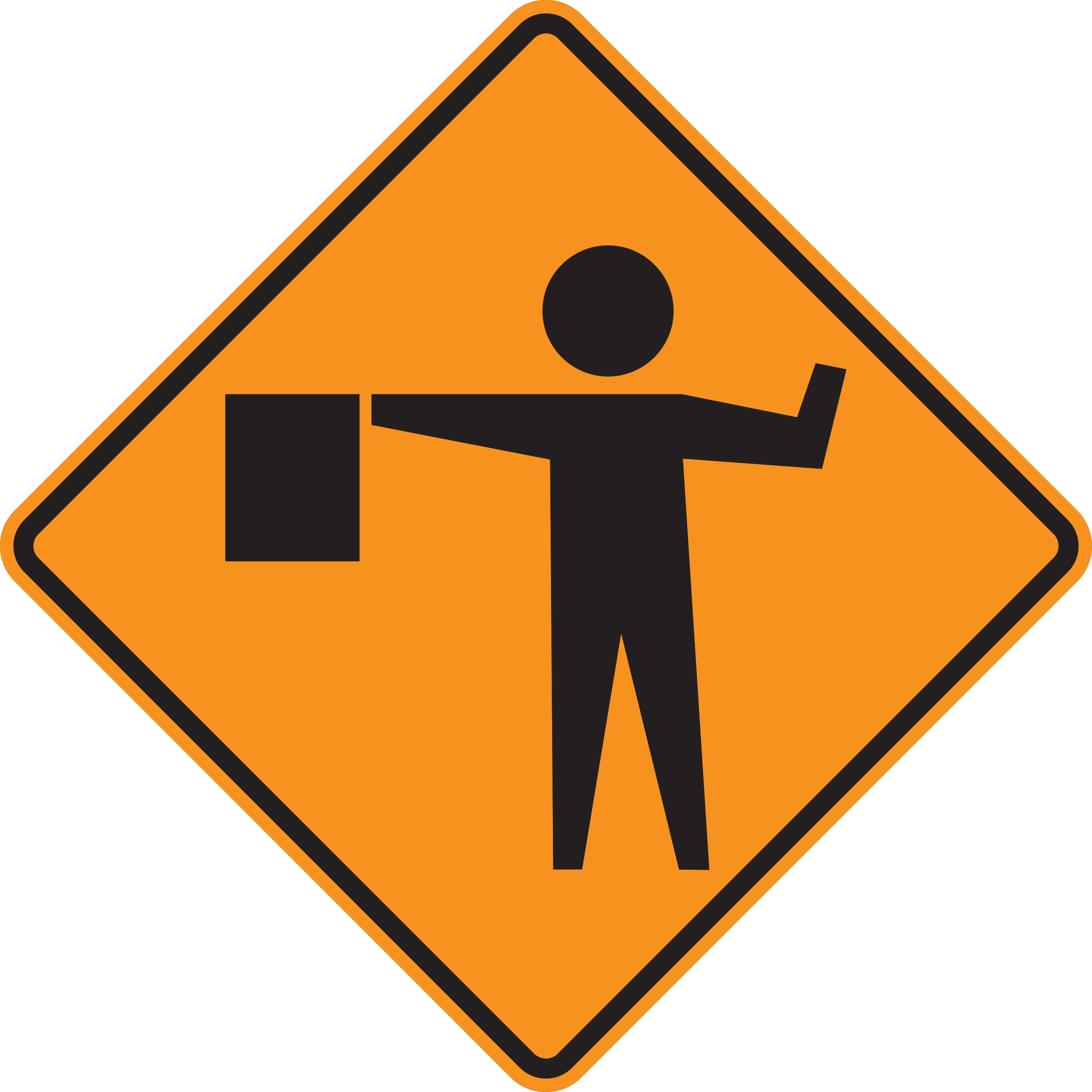
Flagger ahead
A person is controlling traffic farther ahead, usually where work changes the normal traffic flow.
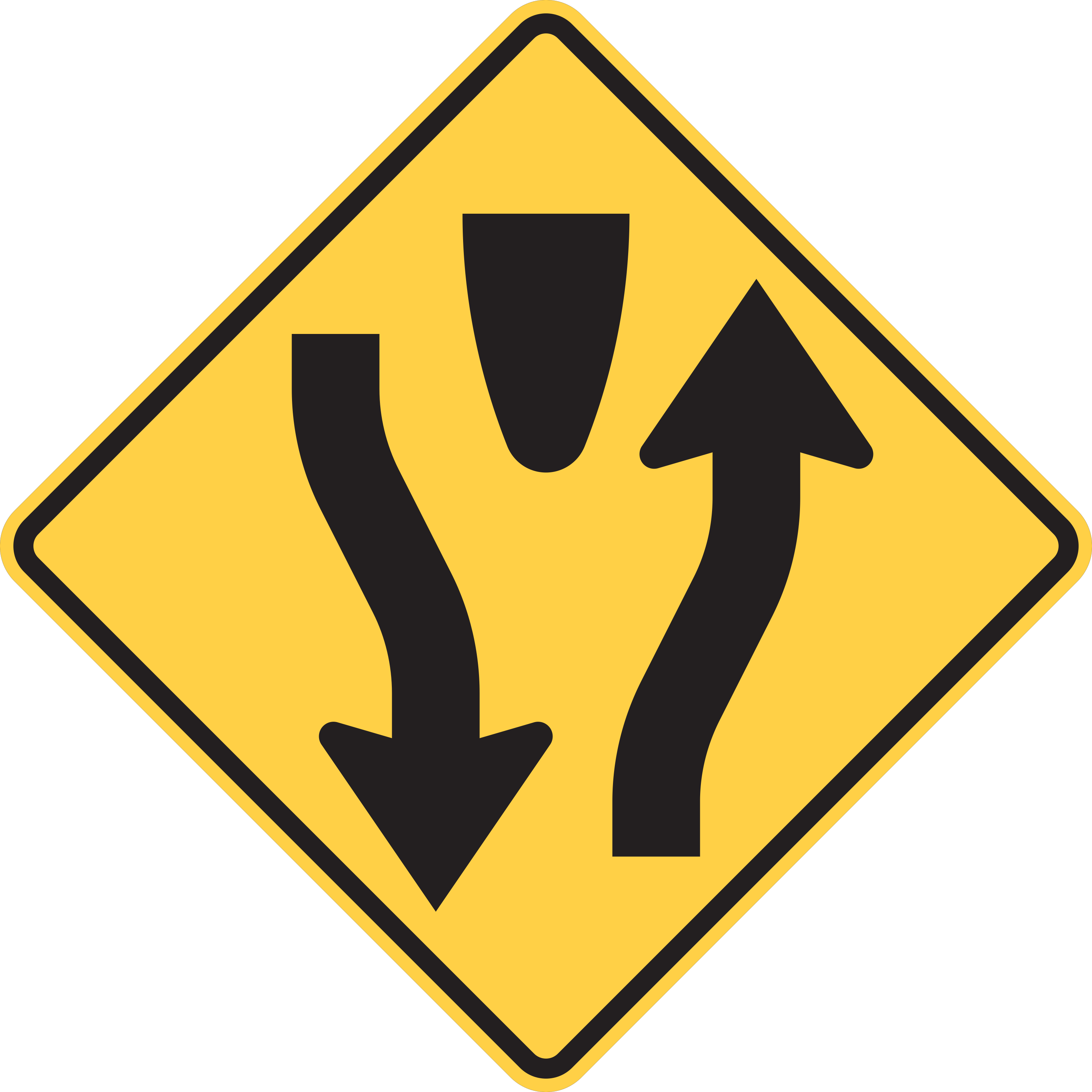
Divided Highway Ahead Sign
The road ahead separates opposing traffic with a median or another physical barrier.
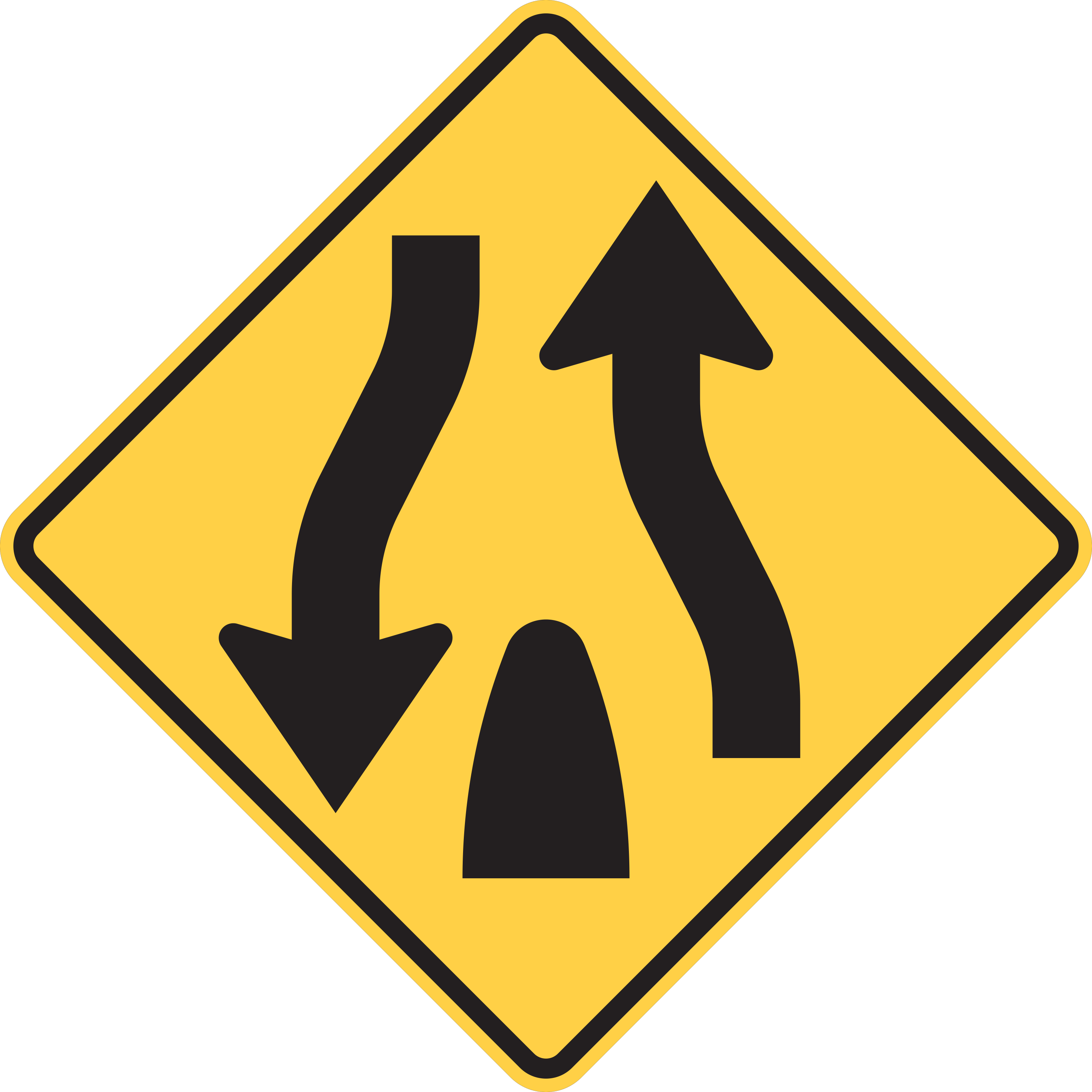
Divided Highway Ends Sign
The physical separation between opposing traffic is ending ahead.
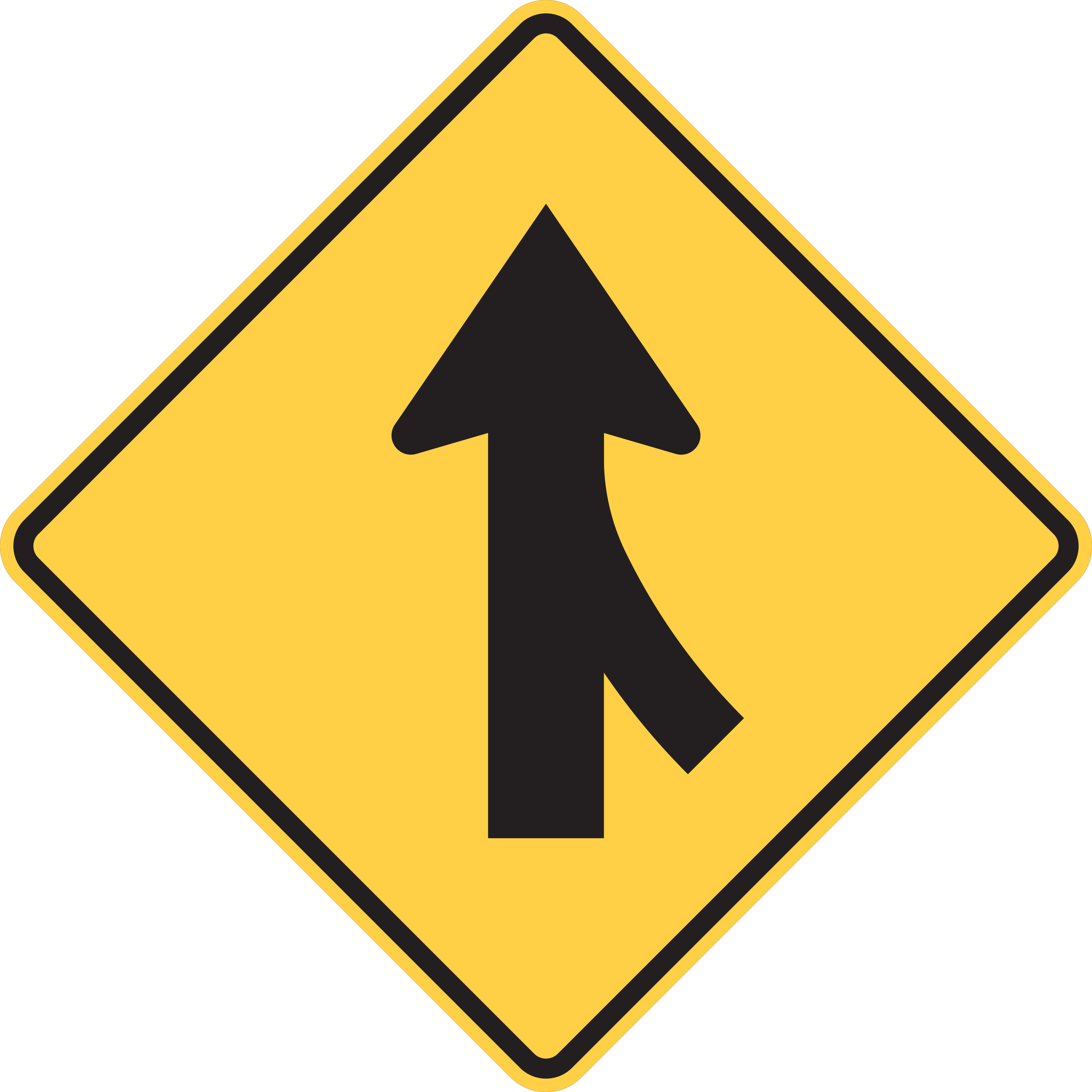
Merge Sign (Merging Traffic)
Traffic from another roadway will join the main stream ahead.
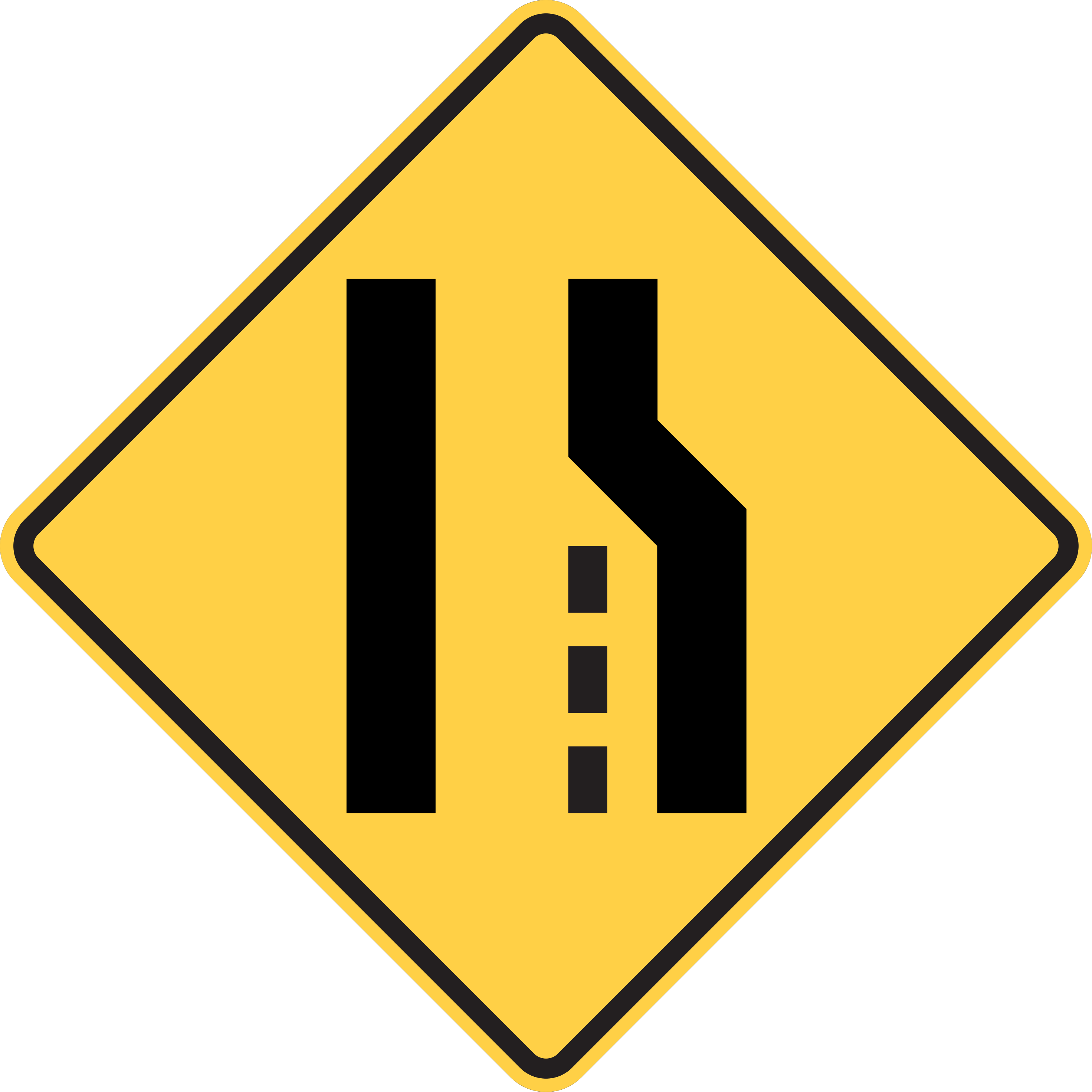
Lane ends
The number of lanes carrying traffic in your direction will decrease ahead.
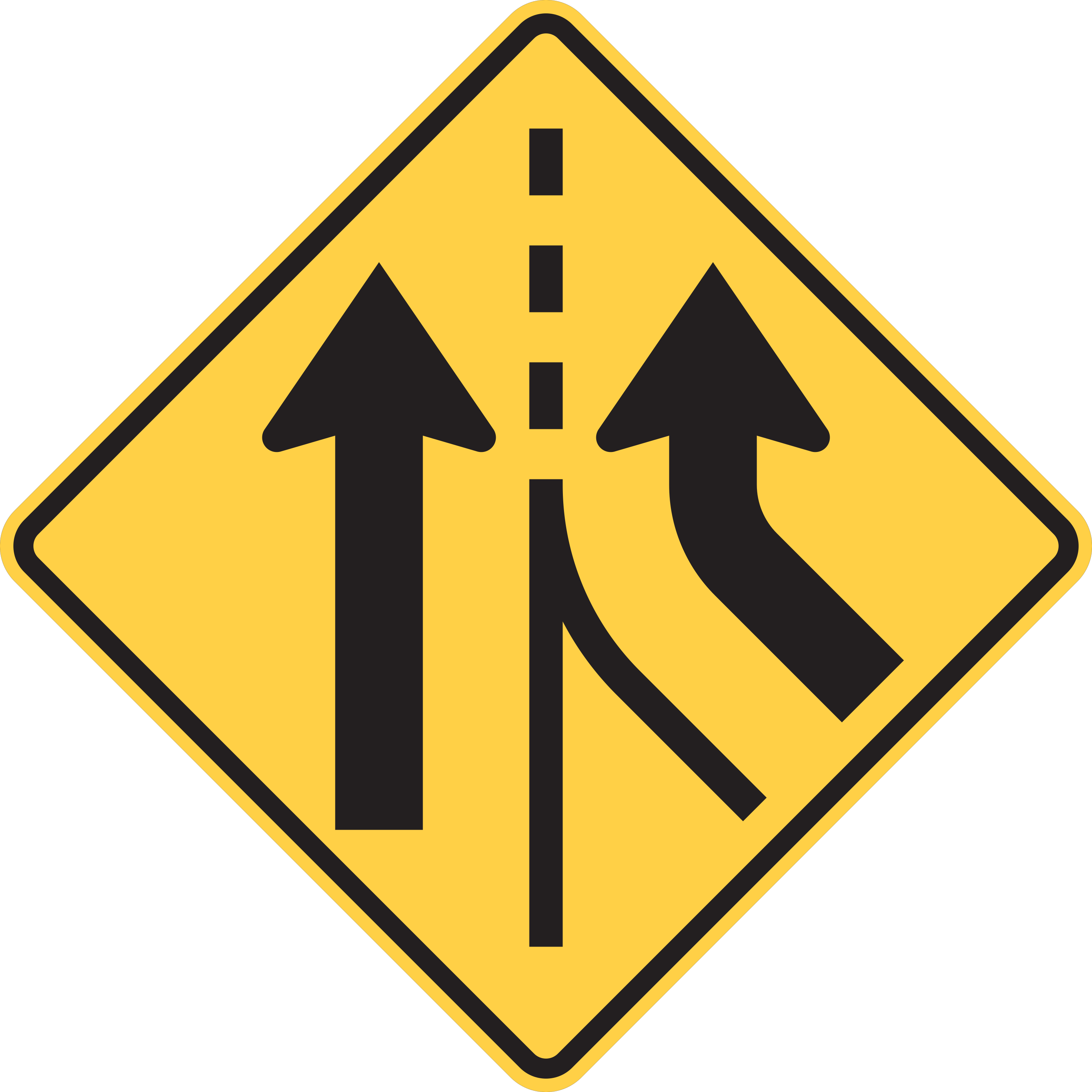
Added lane
Another roadway joins and becomes a separate additional lane.
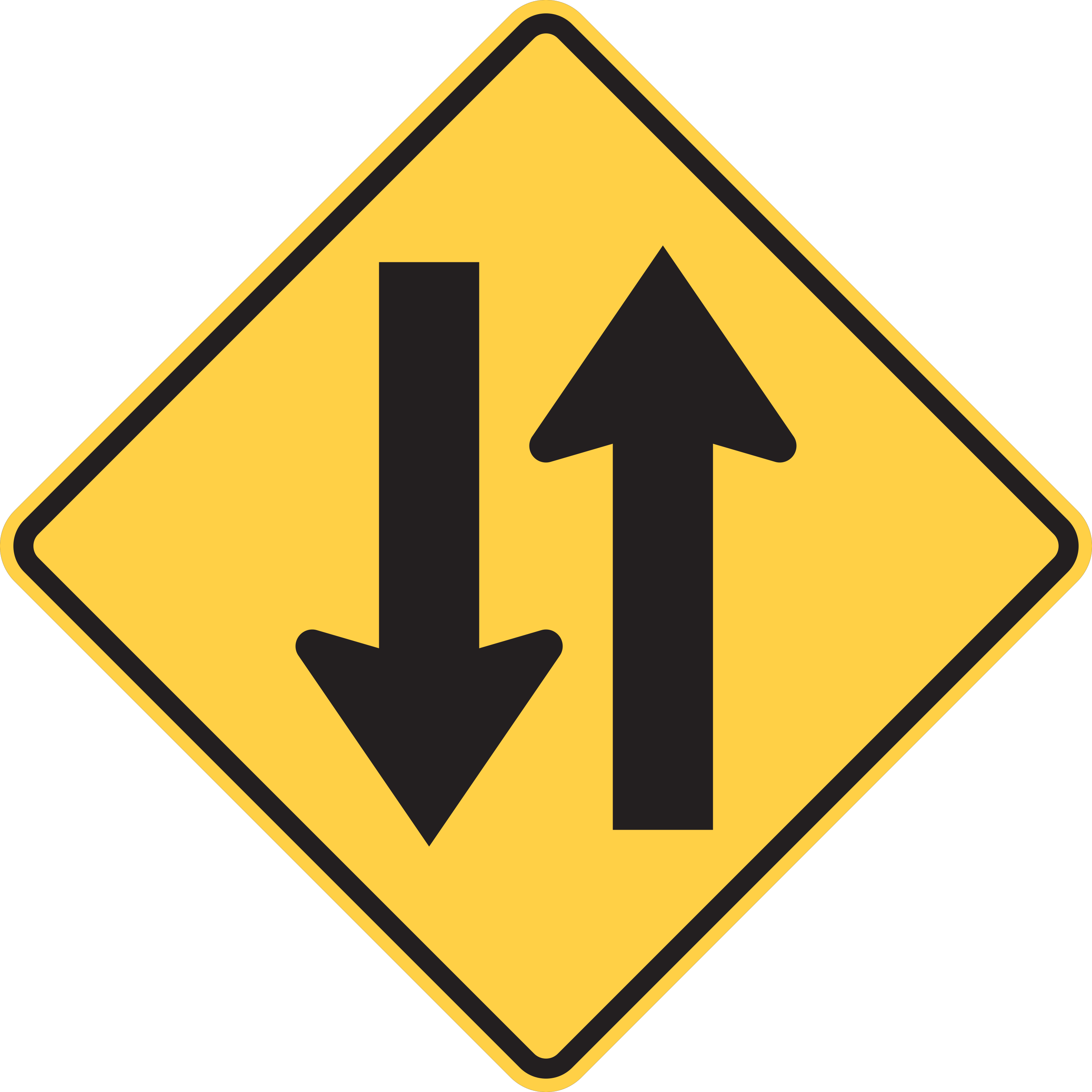
Two-way traffic
Traffic travels in both directions on the roadway ahead or along the section being marked.
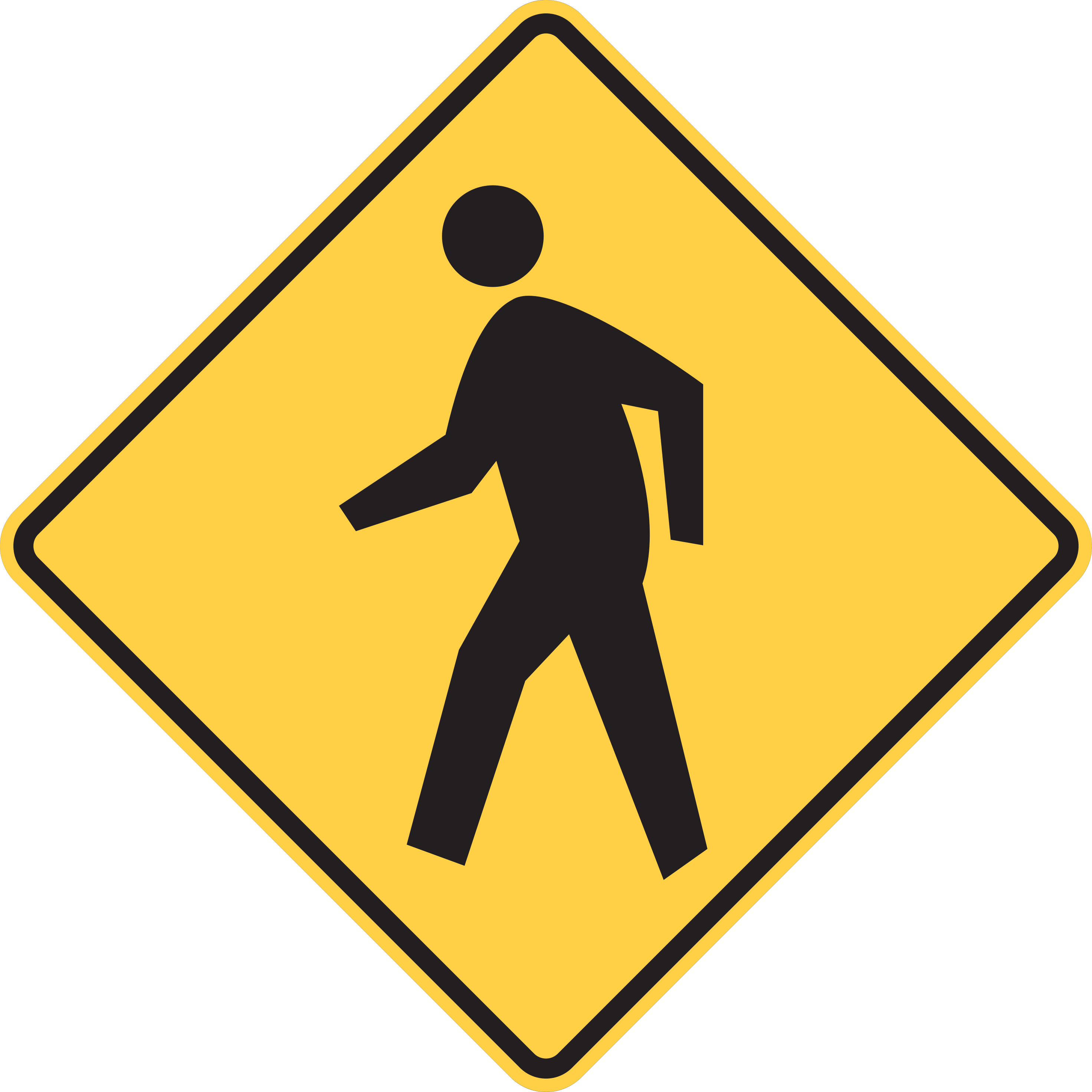
Pedestrian crossing warning
People may enter, cross, or share the roadway in the area.
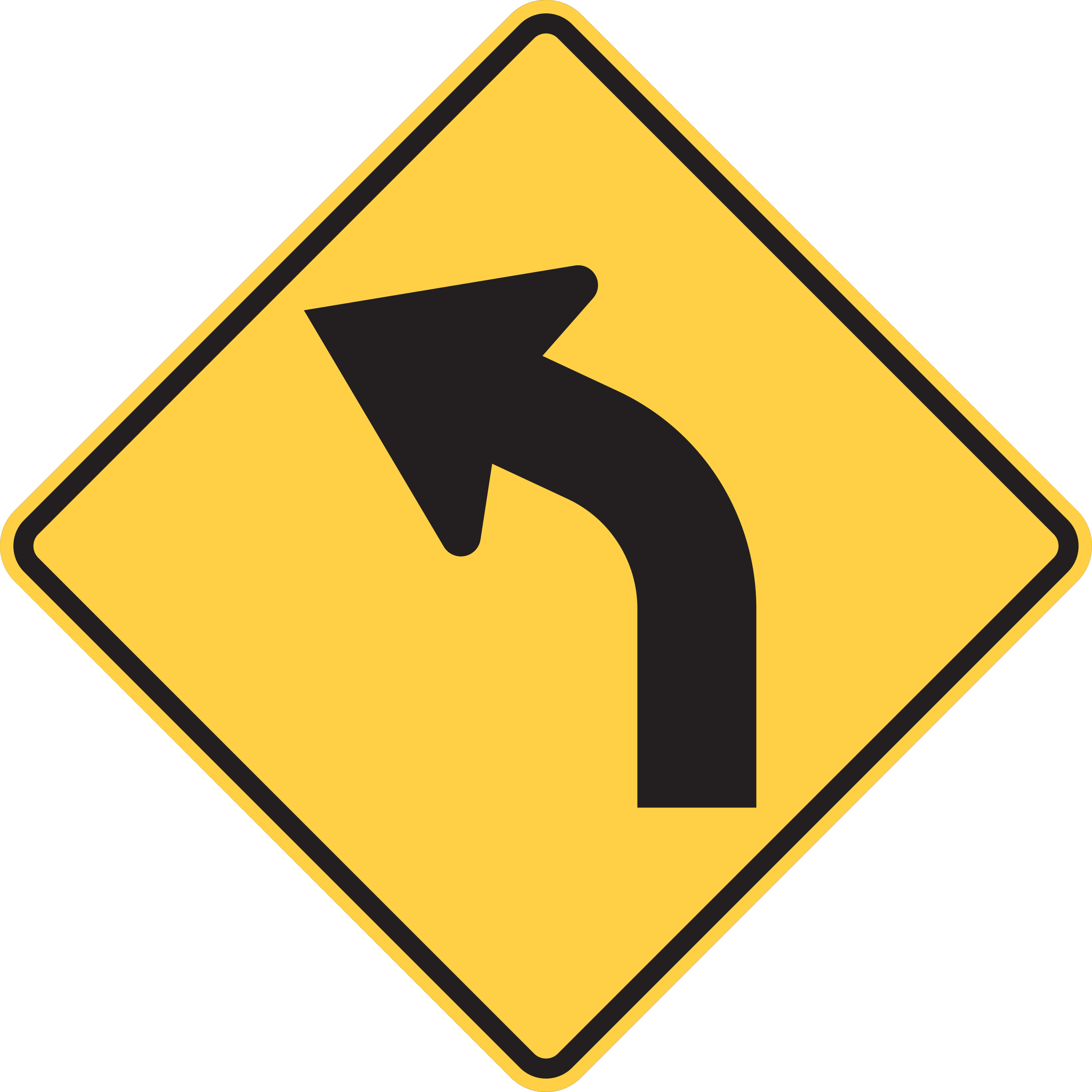
Curve left
The road curves to the left ahead.
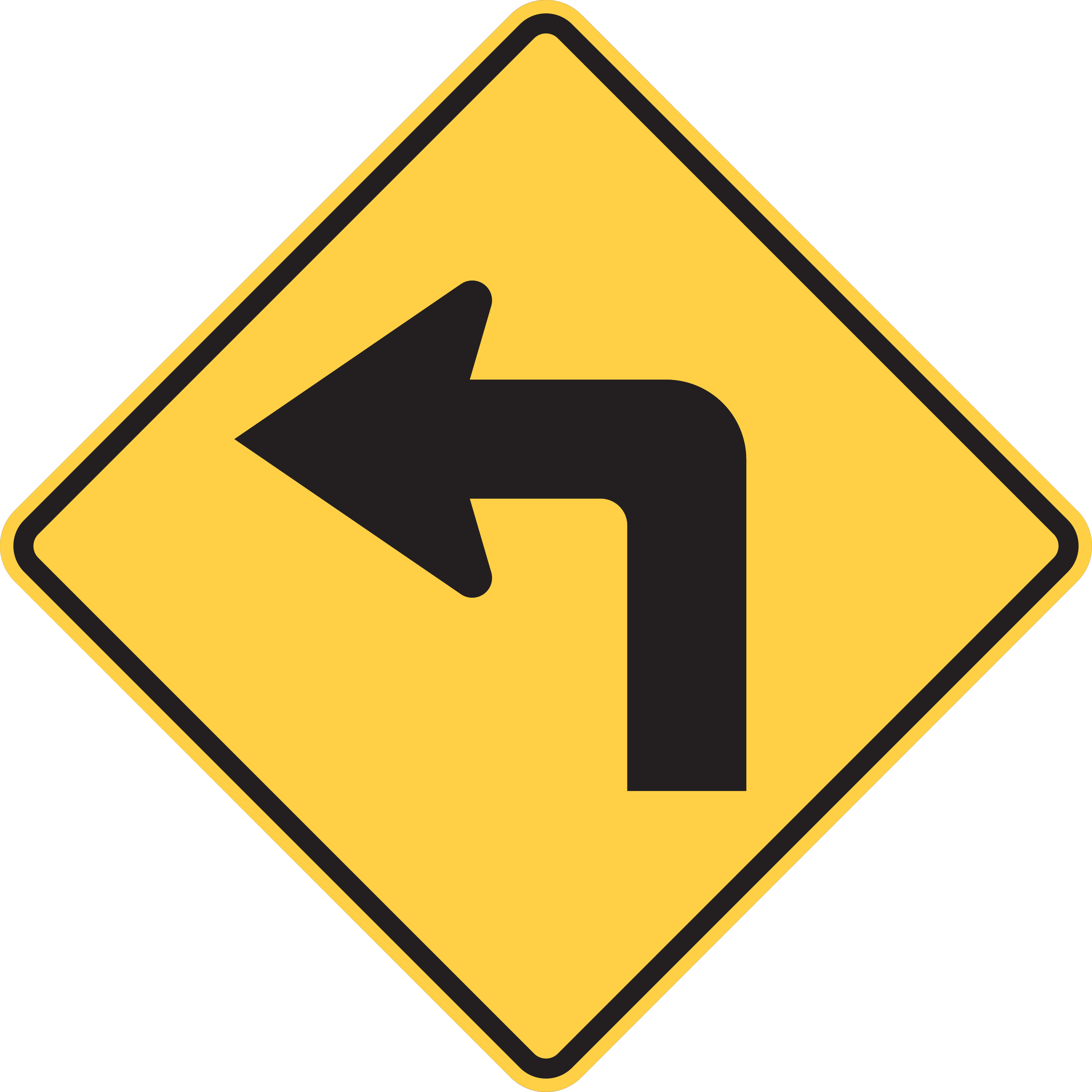
Sharp turn left
A sharp left turn in the road is ahead.
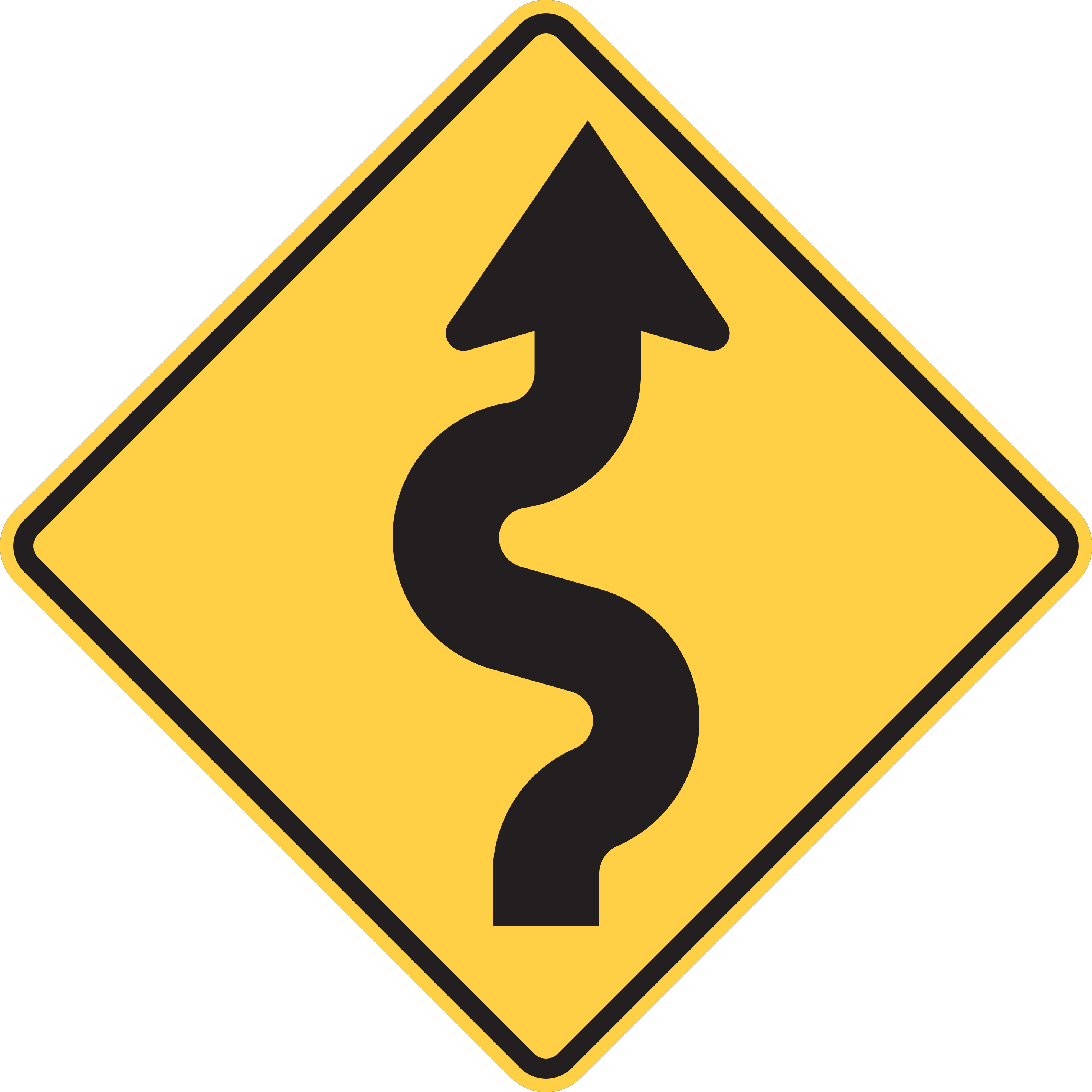
Winding road
Several curves are close together ahead.
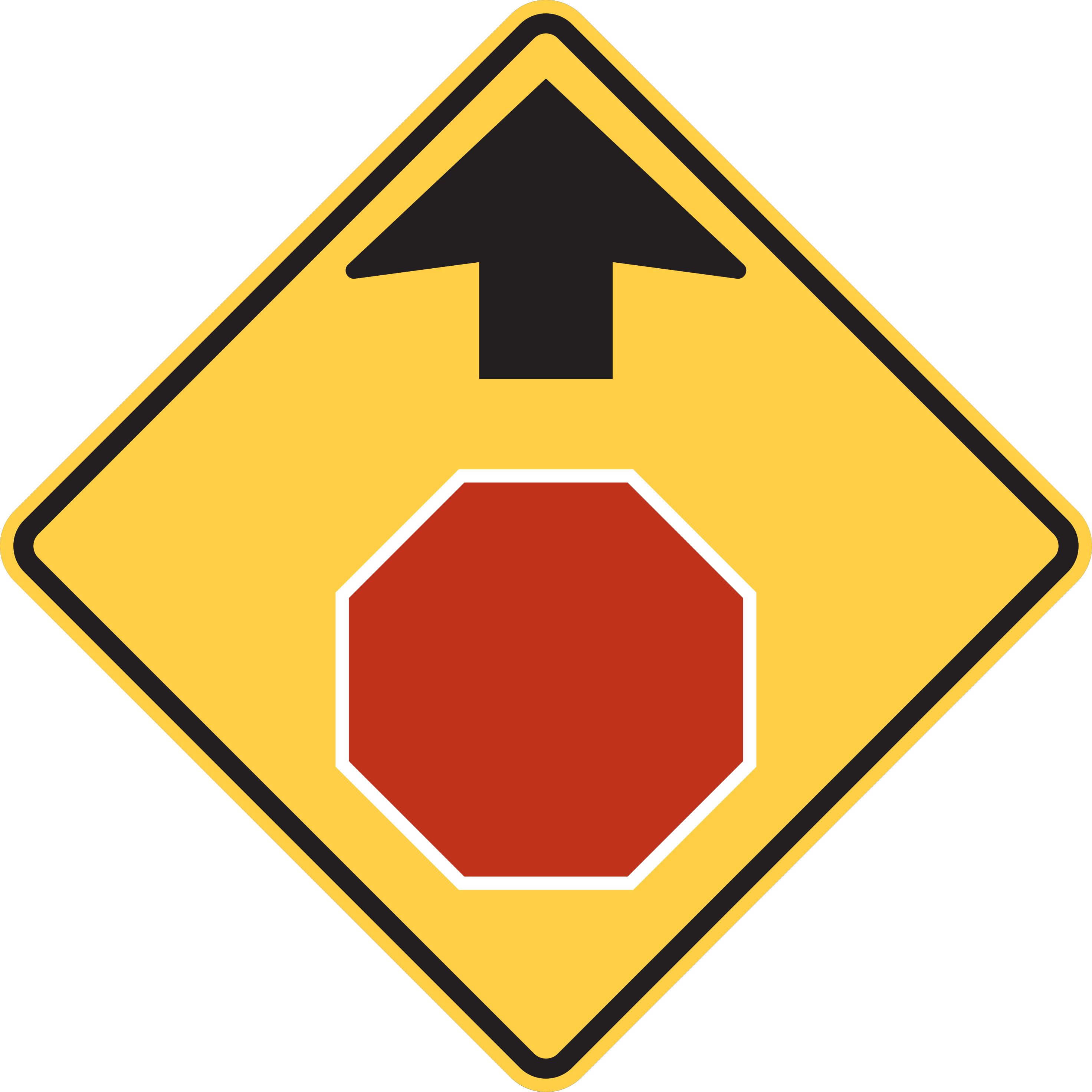
Stop ahead
A STOP sign controls traffic farther ahead.
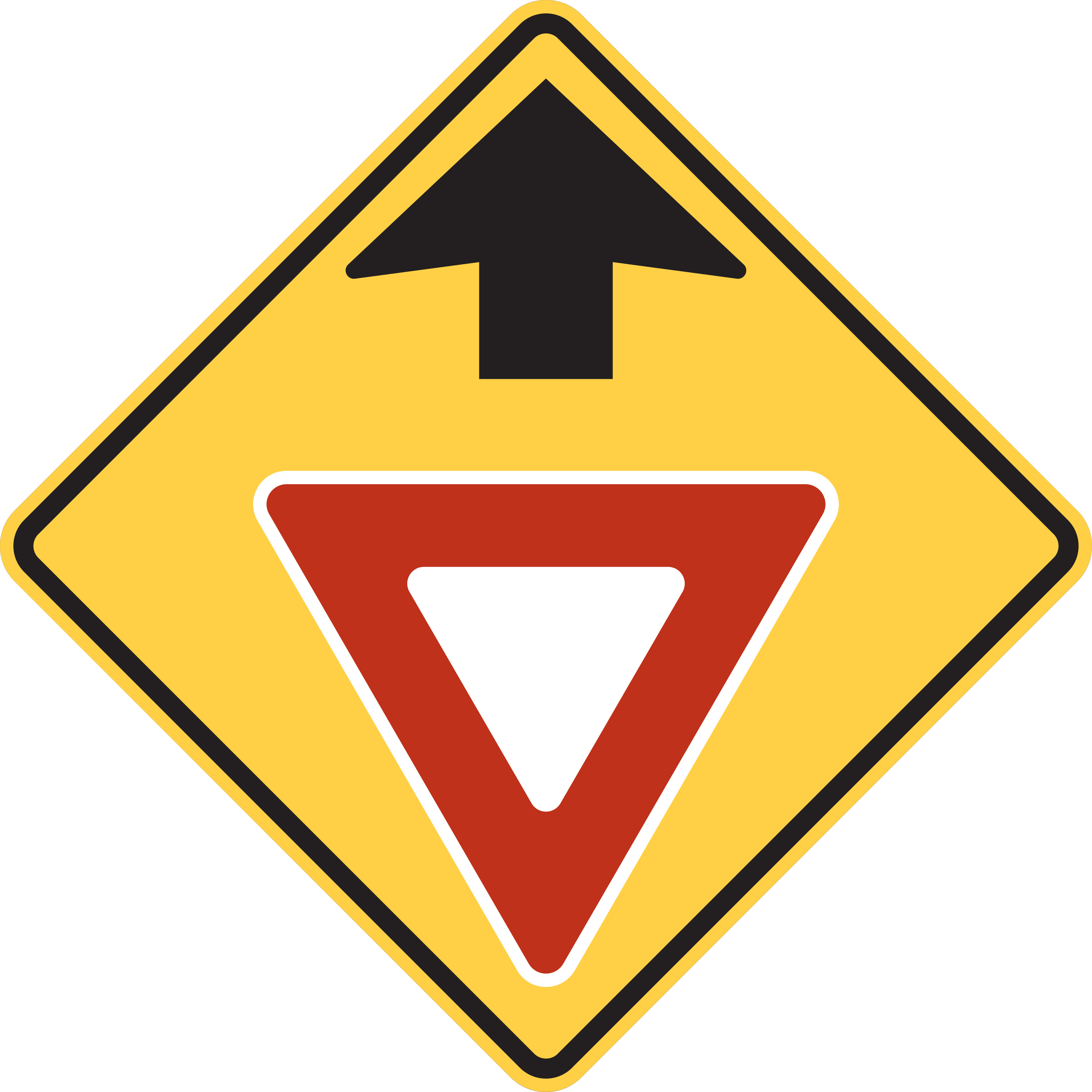
Yield ahead
A YIELD sign is ahead.
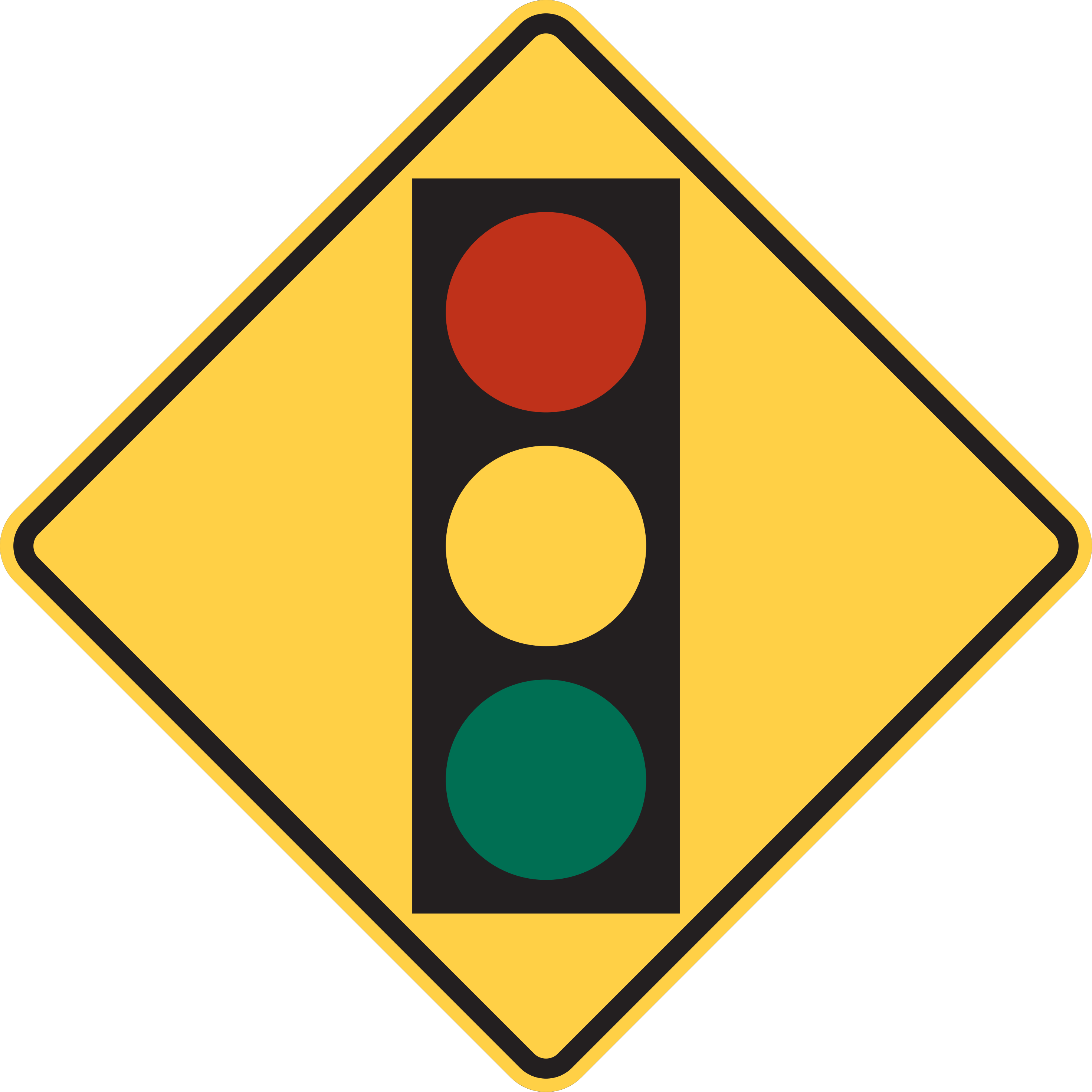
Signal ahead
A traffic signal is ahead.
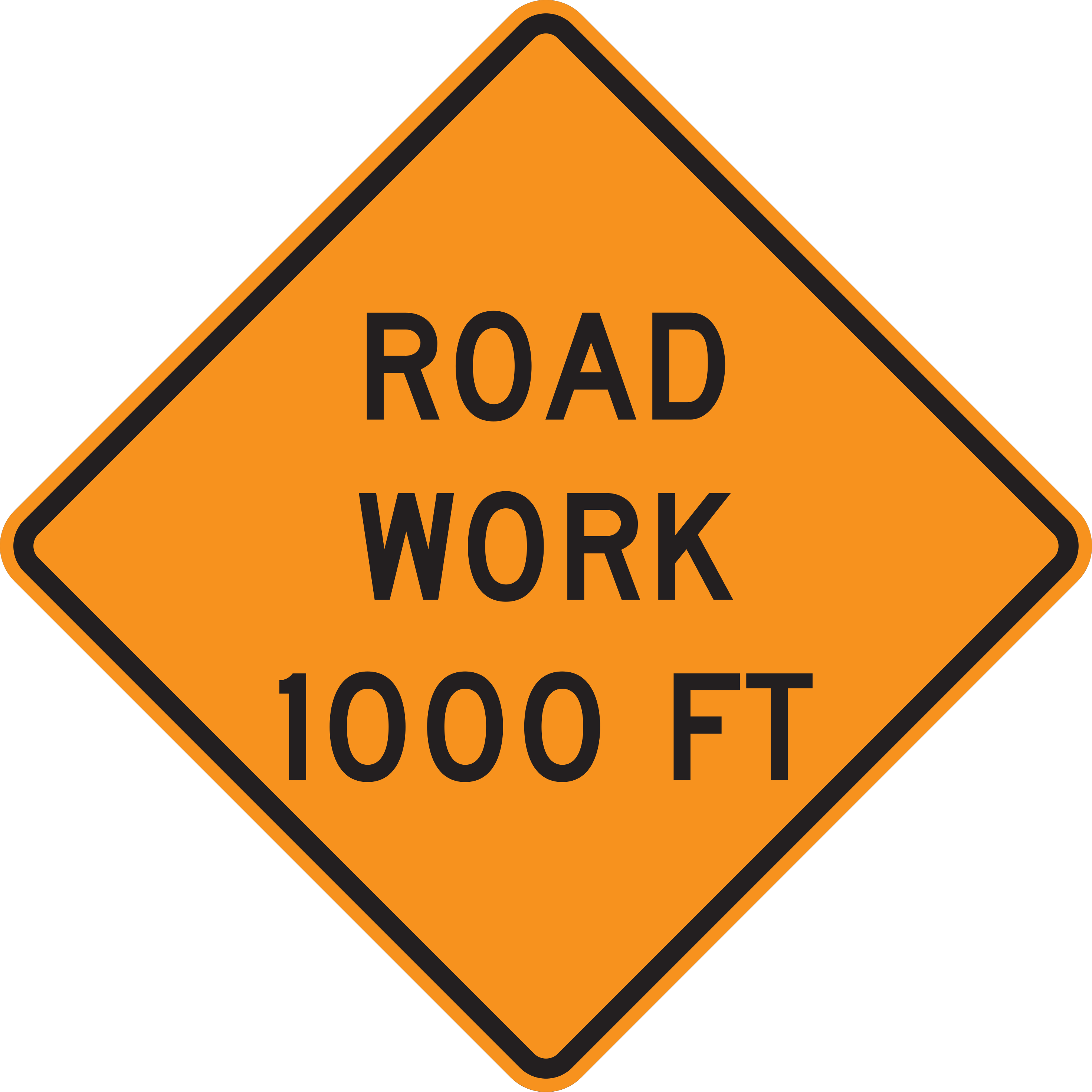
Road work ahead
Road construction, maintenance, or related restrictions are ahead.
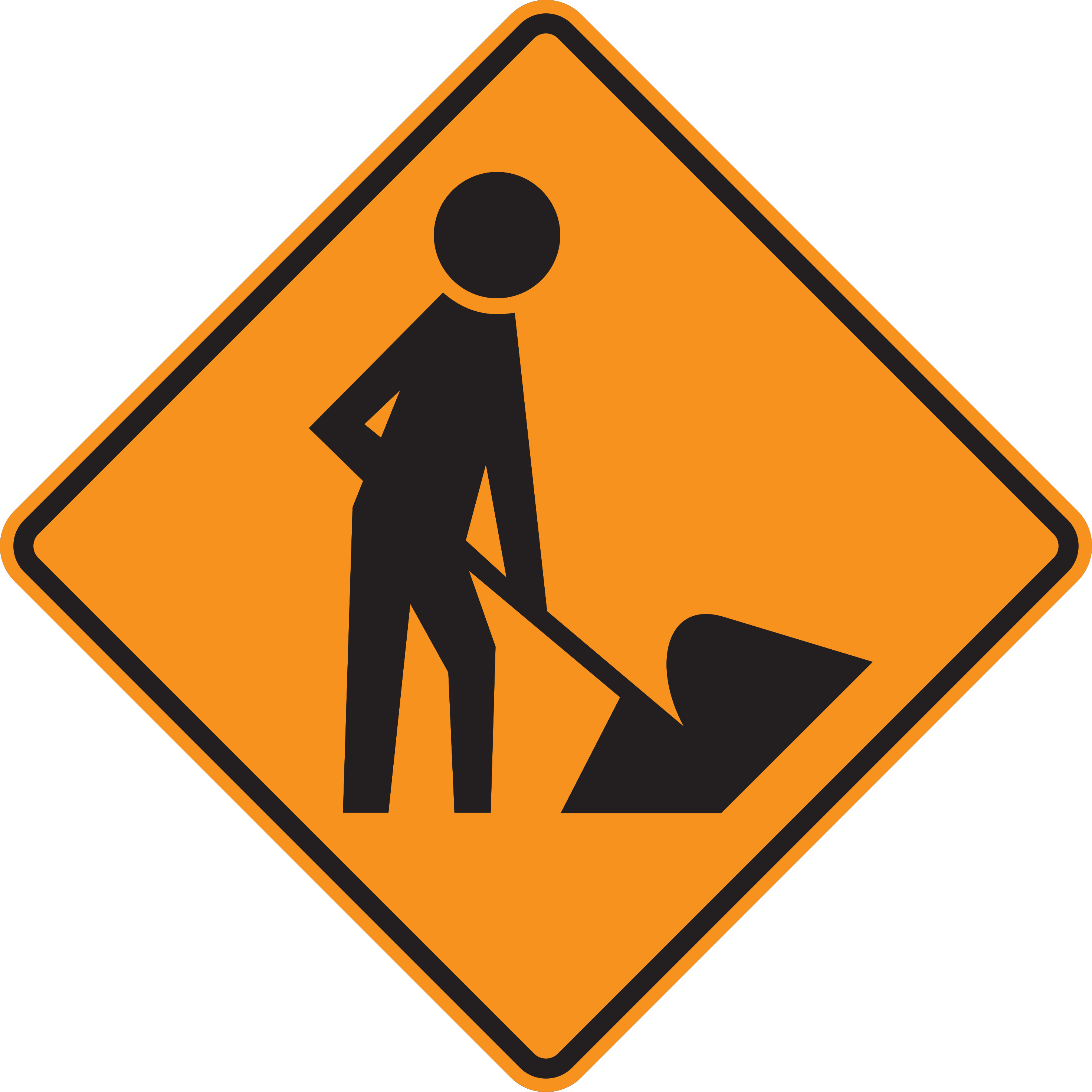
Workers ahead
Workers may be in or close to the roadway ahead.
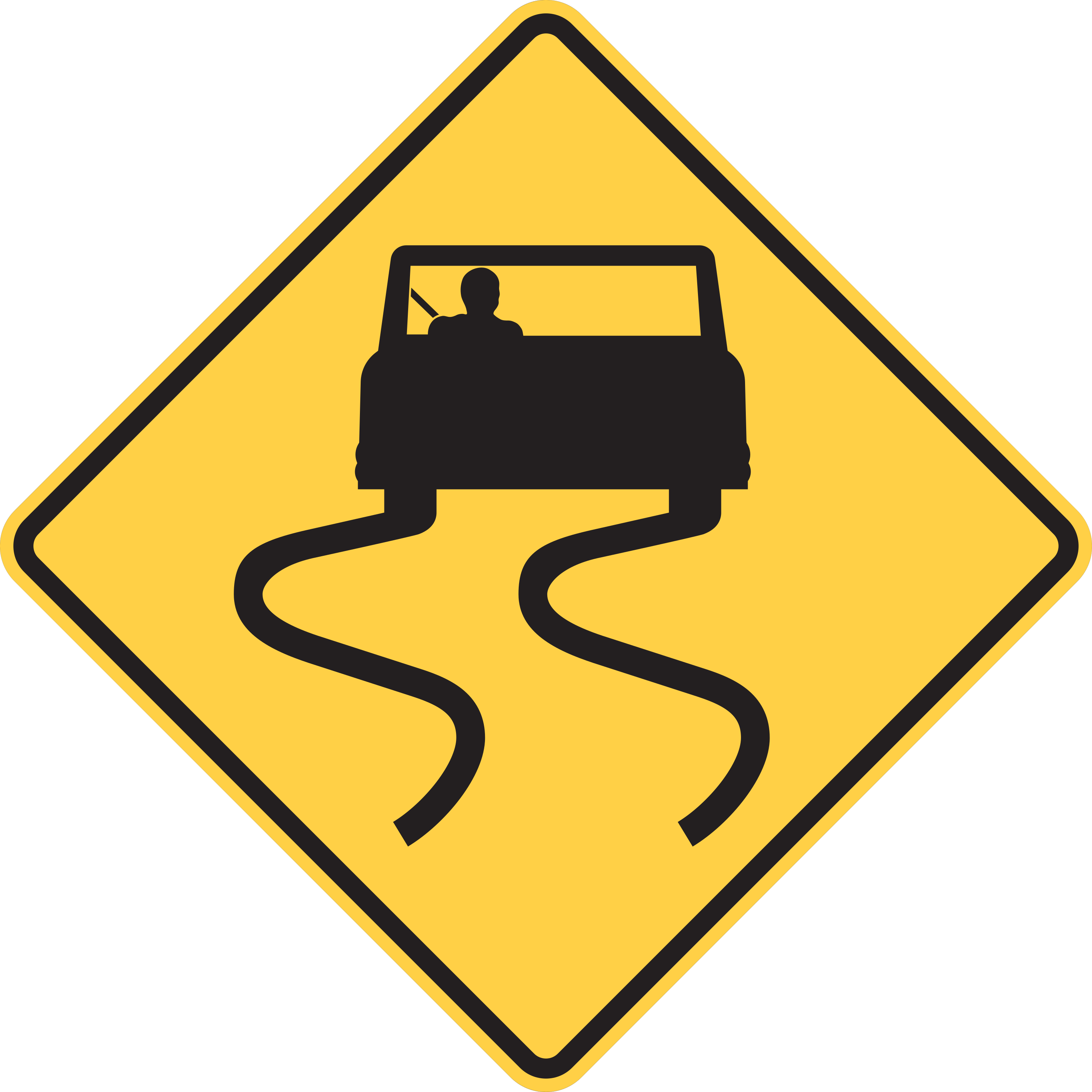
Slippery when wet
The road may become unexpectedly slippery, especially when wet.
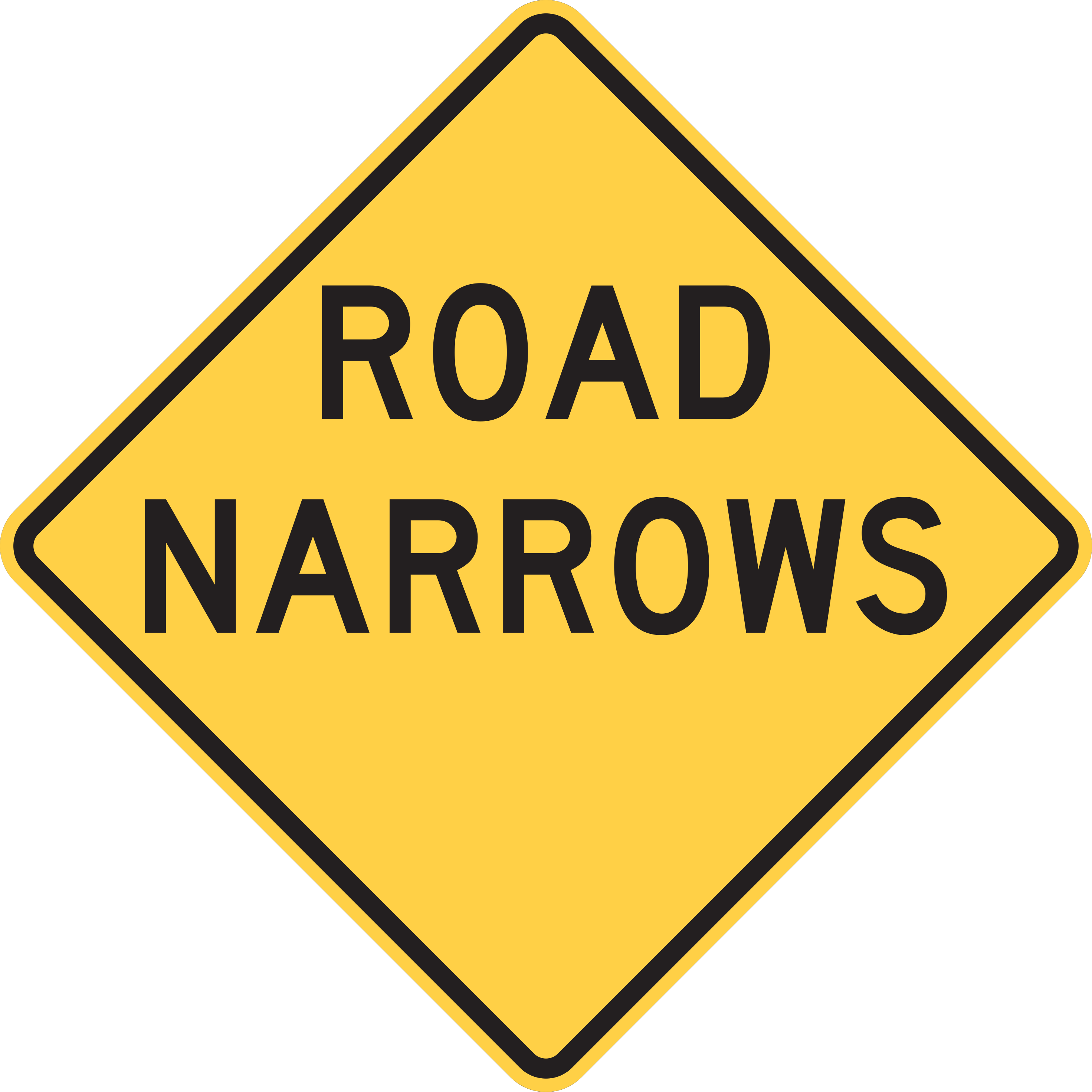
Road narrows
The roadway becomes narrower ahead.
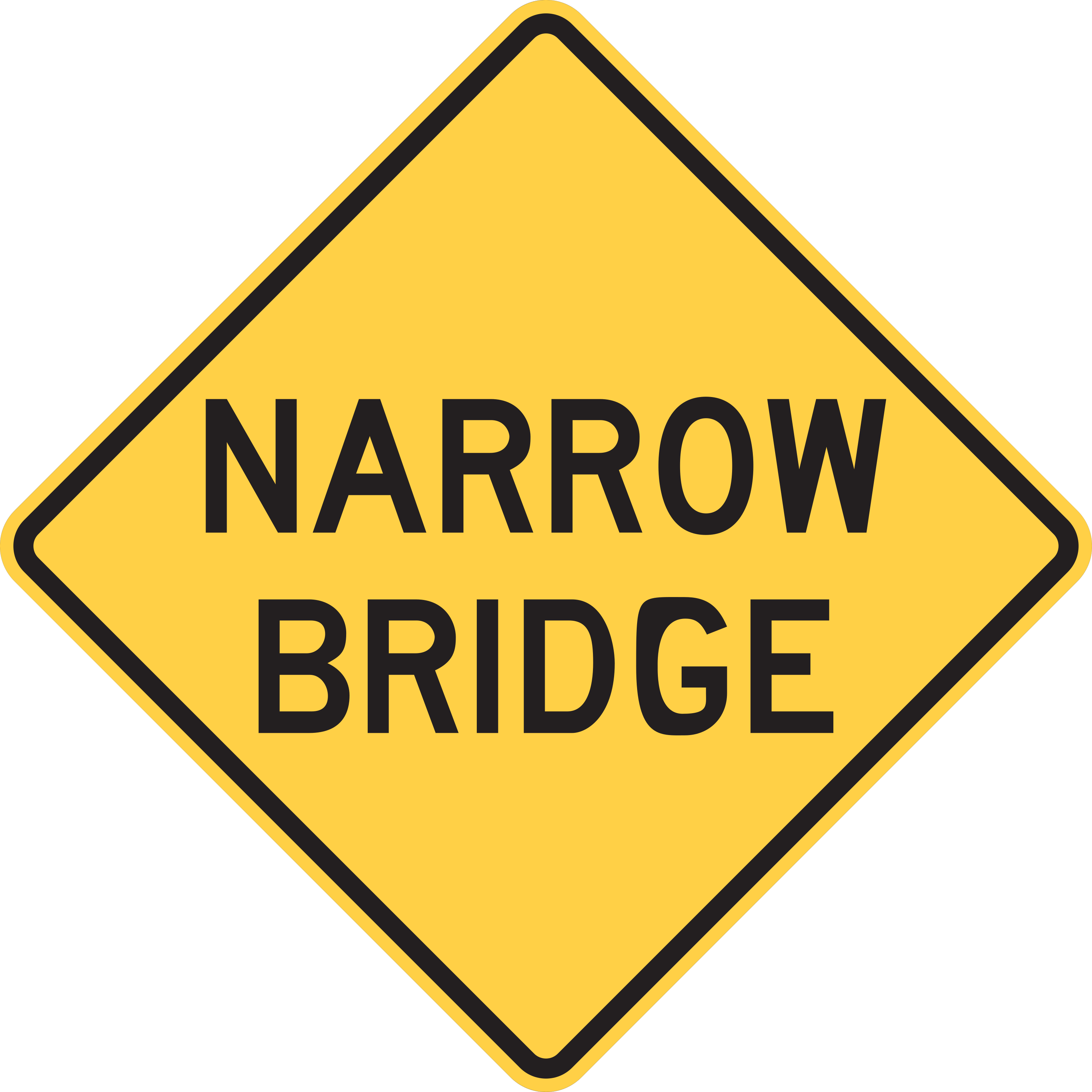
Narrow bridge
The bridge ahead provides less side-to-side clearance than you may expect from the approach.
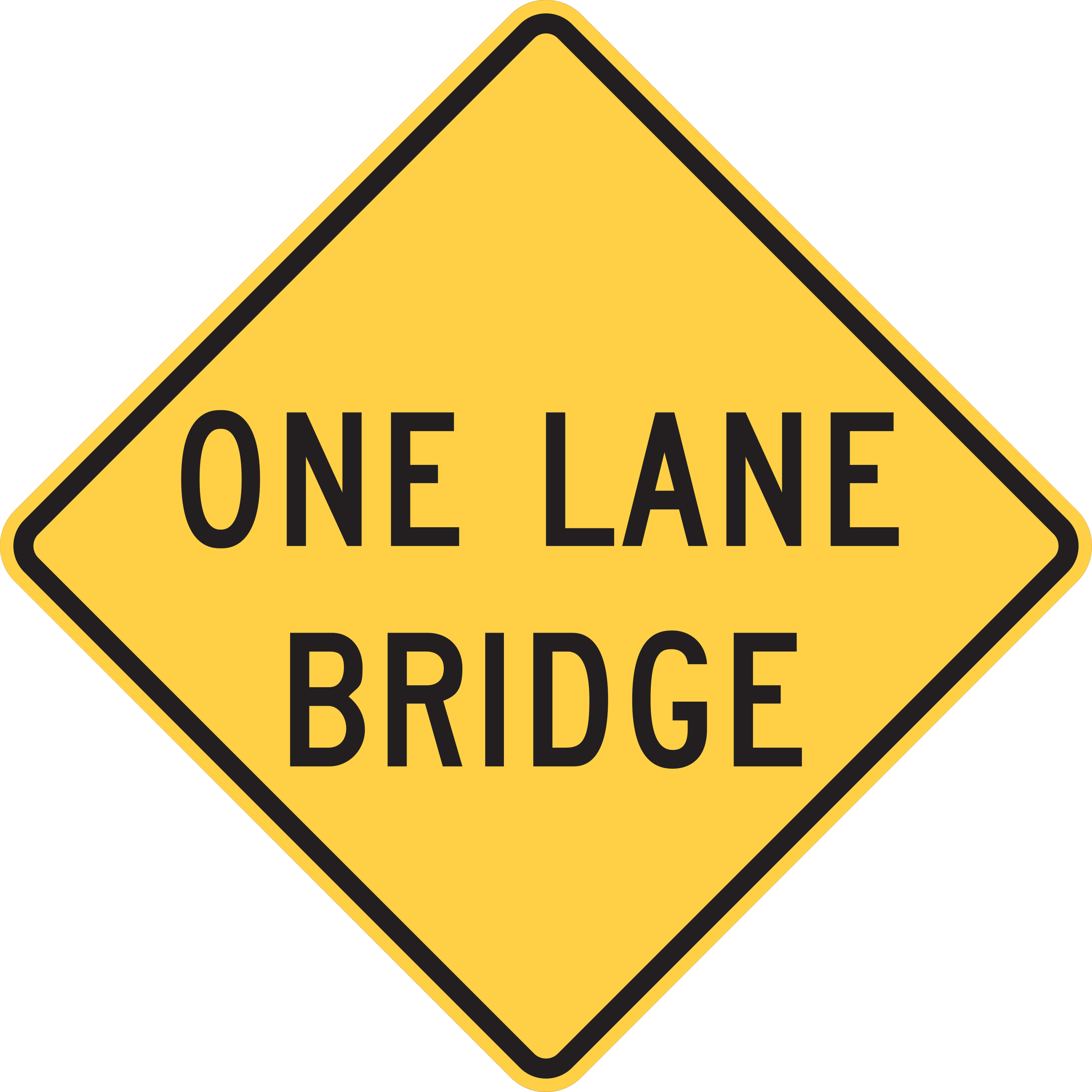
One lane bridge
The bridge ahead has only one usable traffic lane.
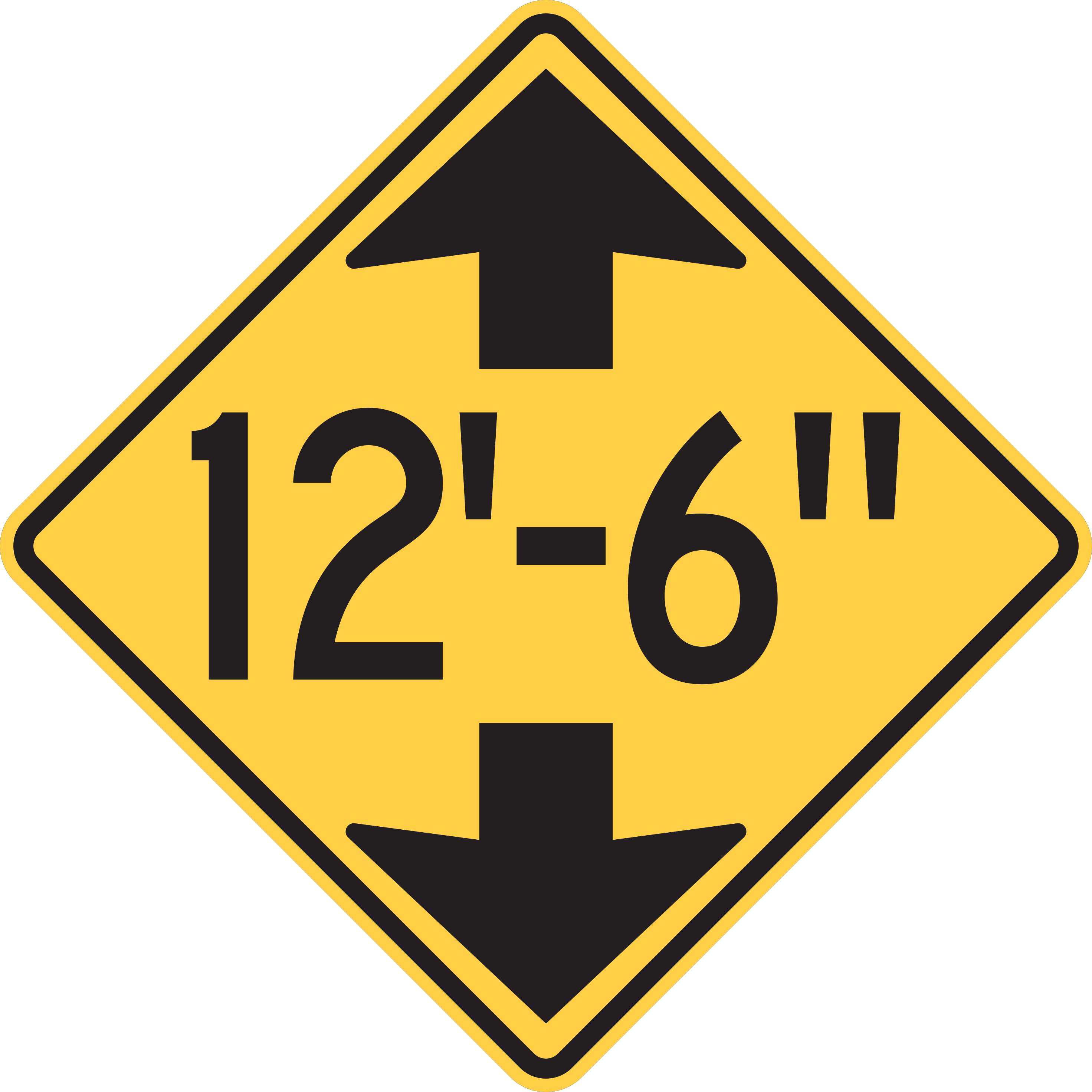
Low clearance
An overhead obstruction ahead has the vertical clearance shown.
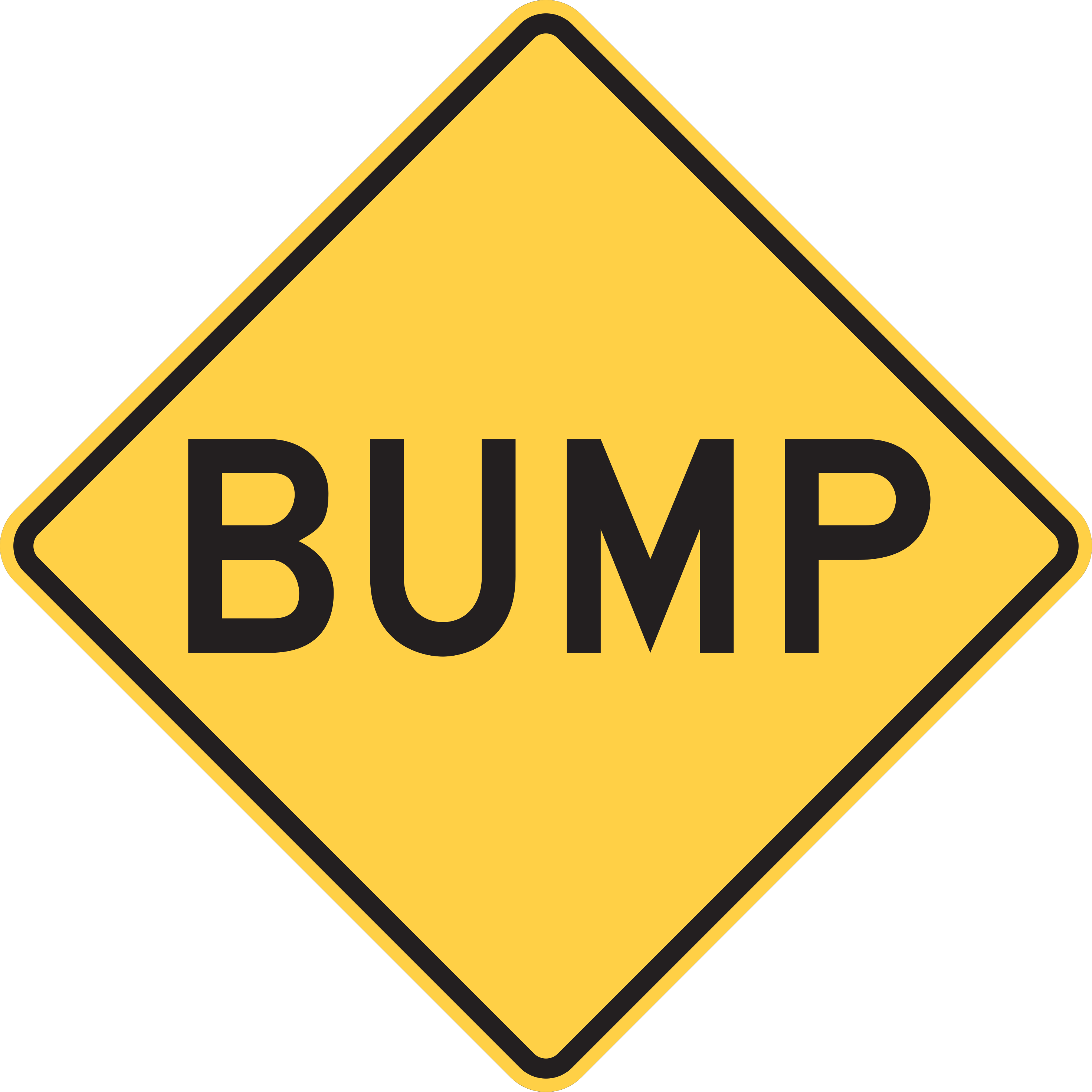
Bump
A sharp rise or raised irregularity is ahead in the road surface.
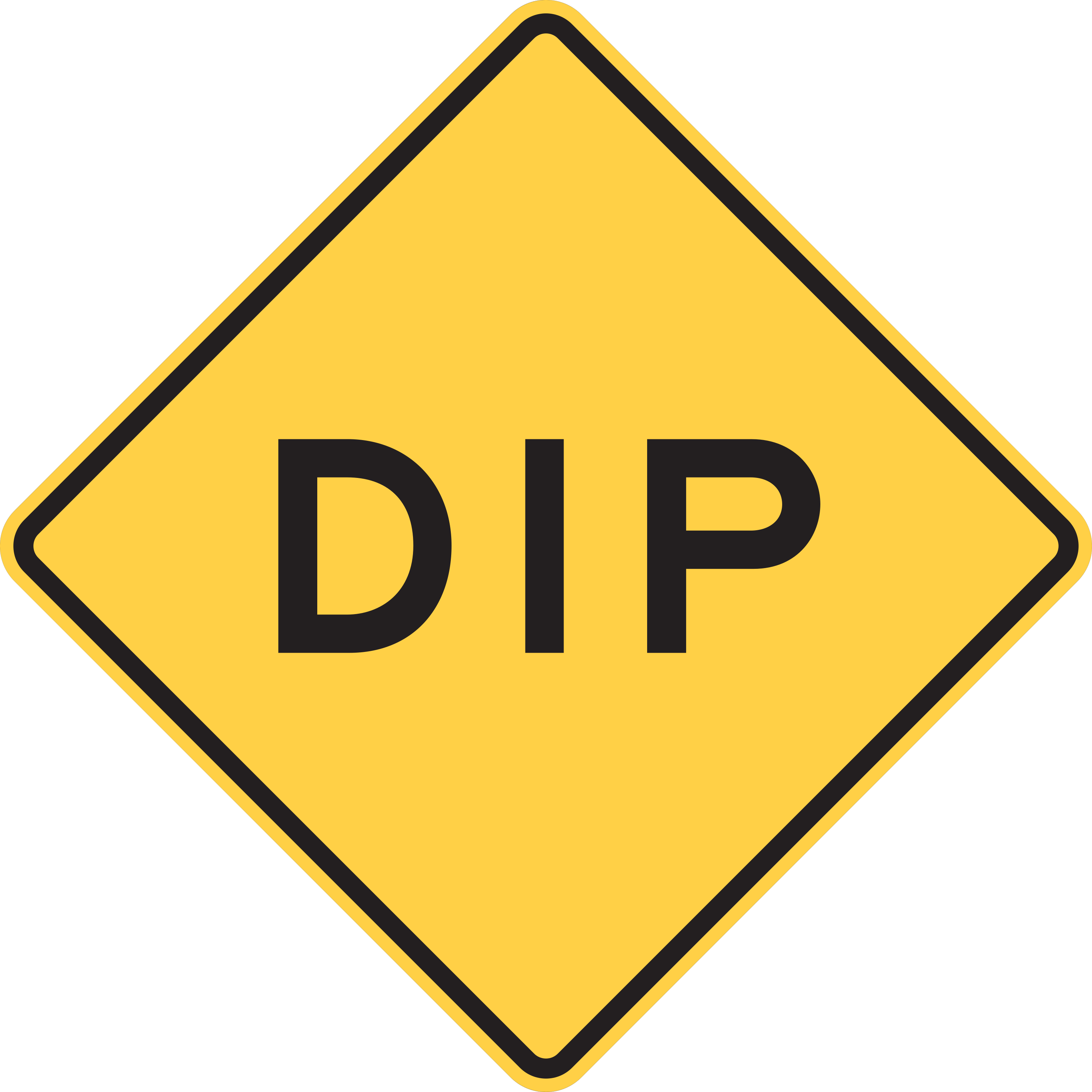
Dip
A depression in the roadway is ahead.
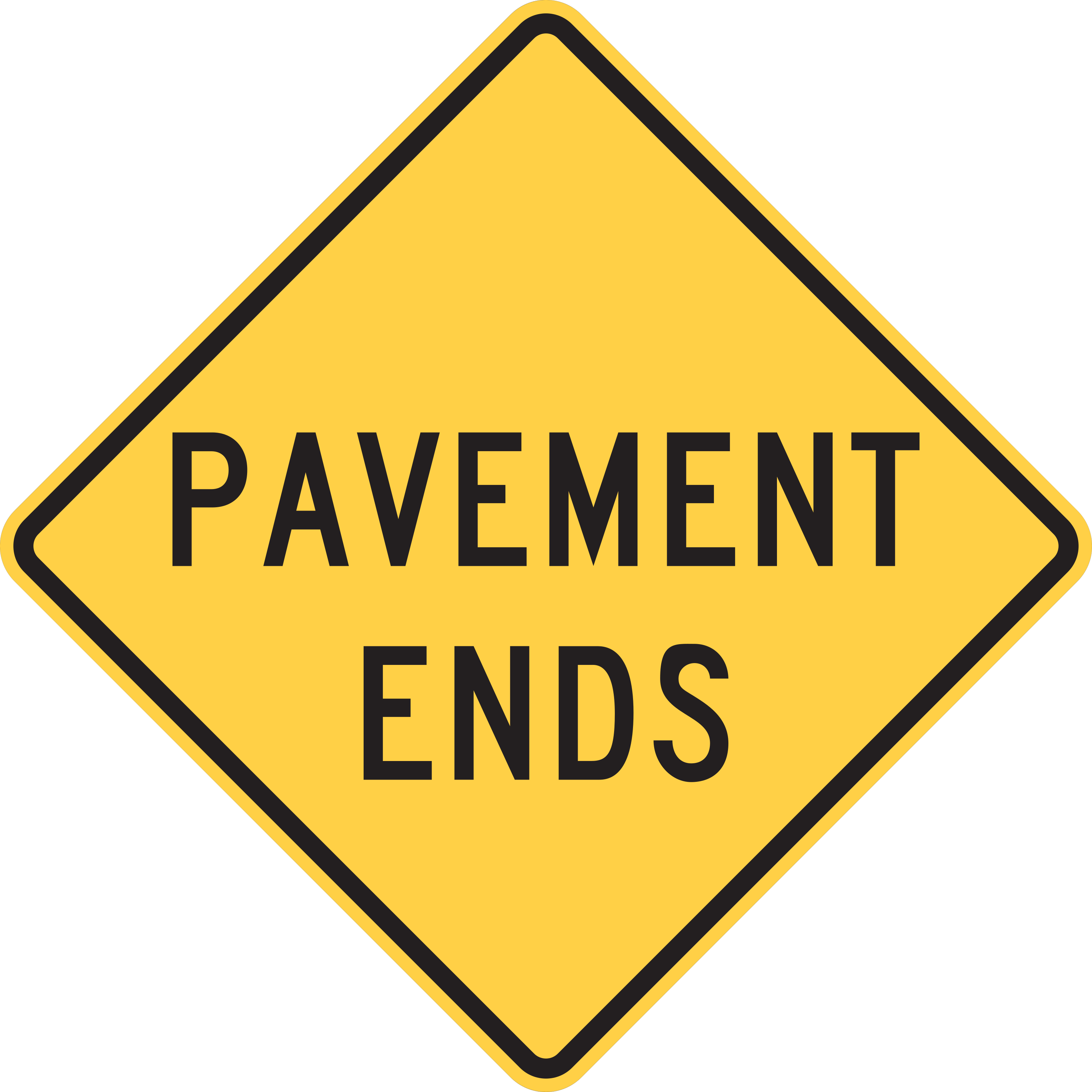
Pavement ends
The paved roadway changes to an unpaved surface such as gravel or earth ahead.
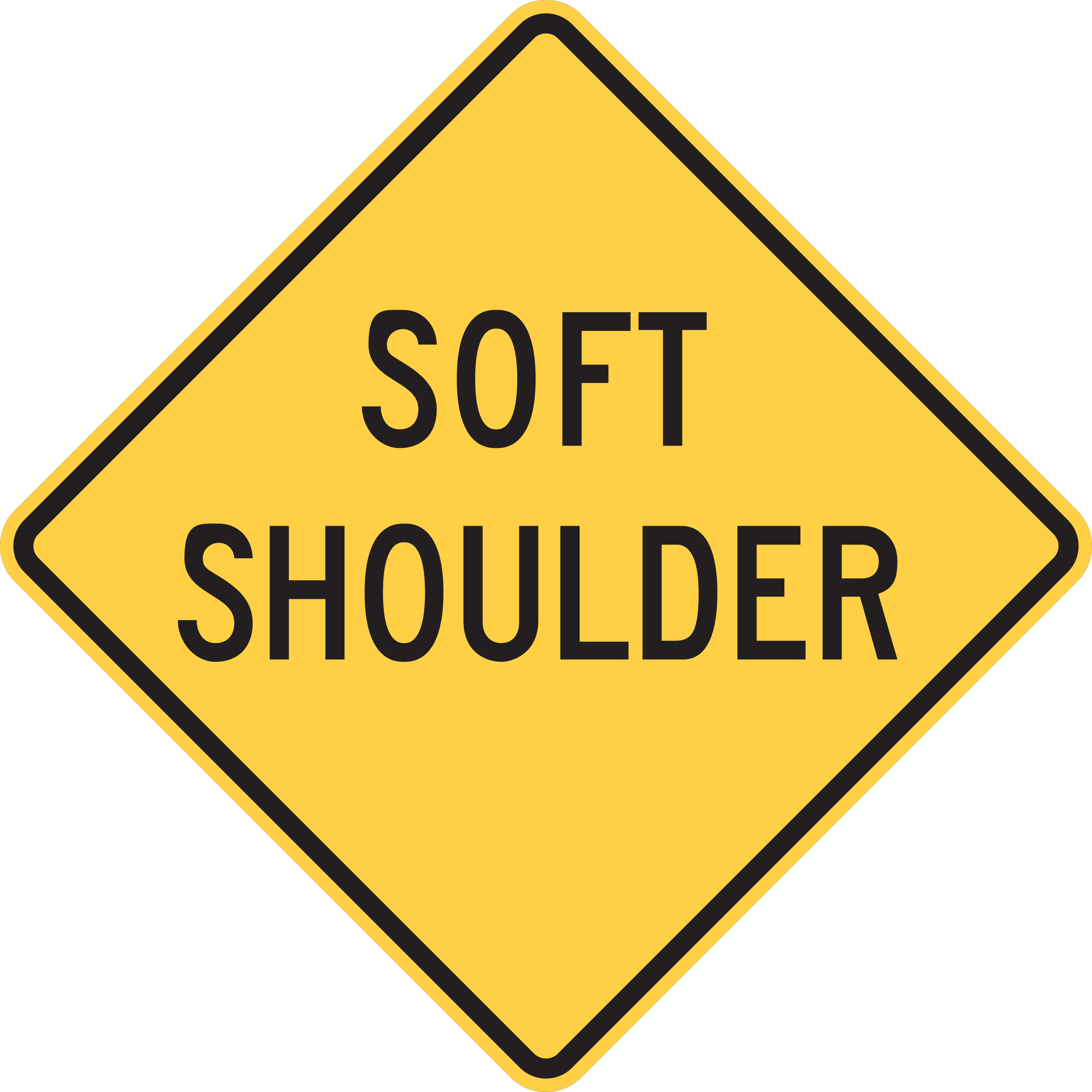
Soft shoulder
The shoulder beside the traveled roadway is soft and may not support a vehicle like the main road surface.
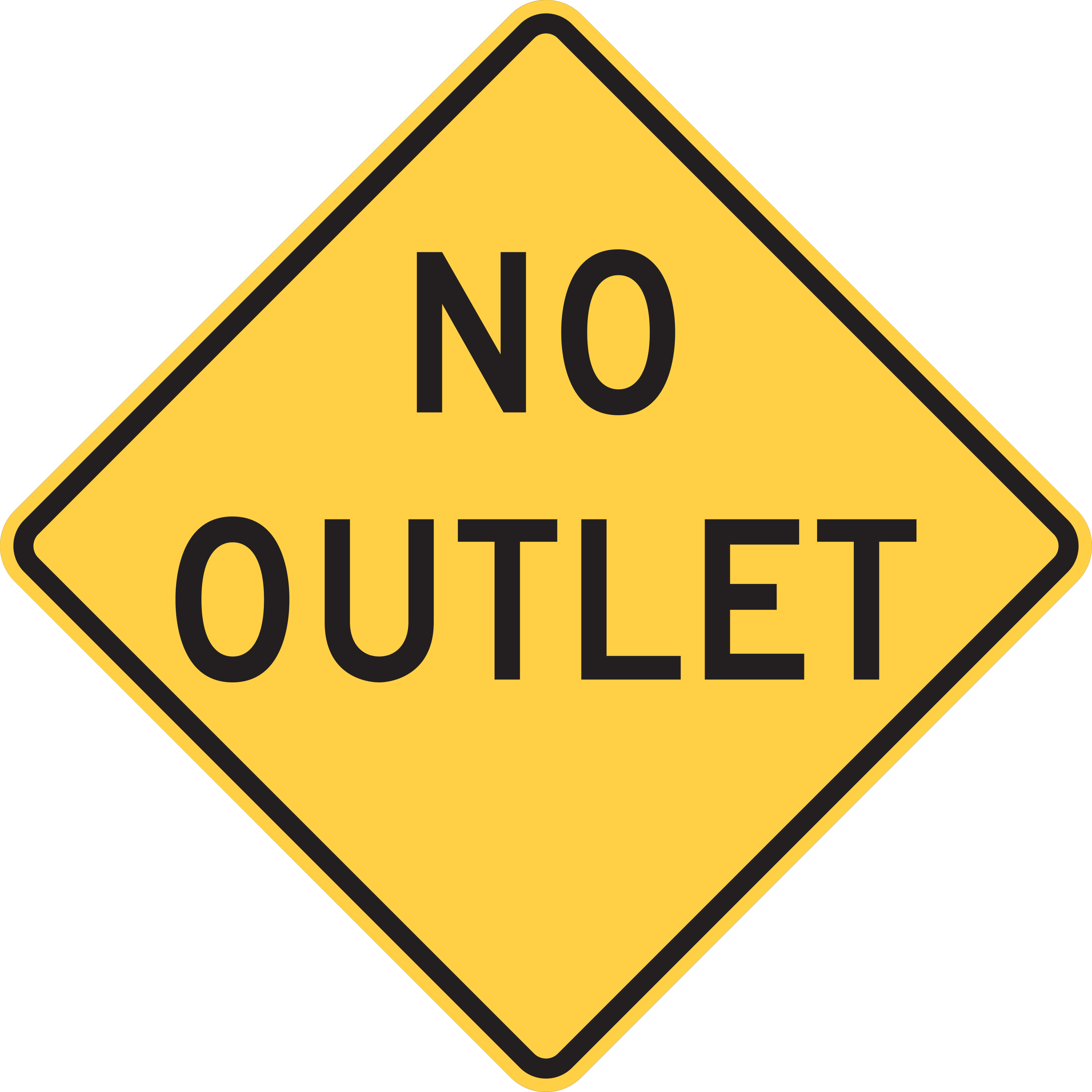
No Outlet sign
NO OUTLET warns that the road or road network ahead has no other exit.
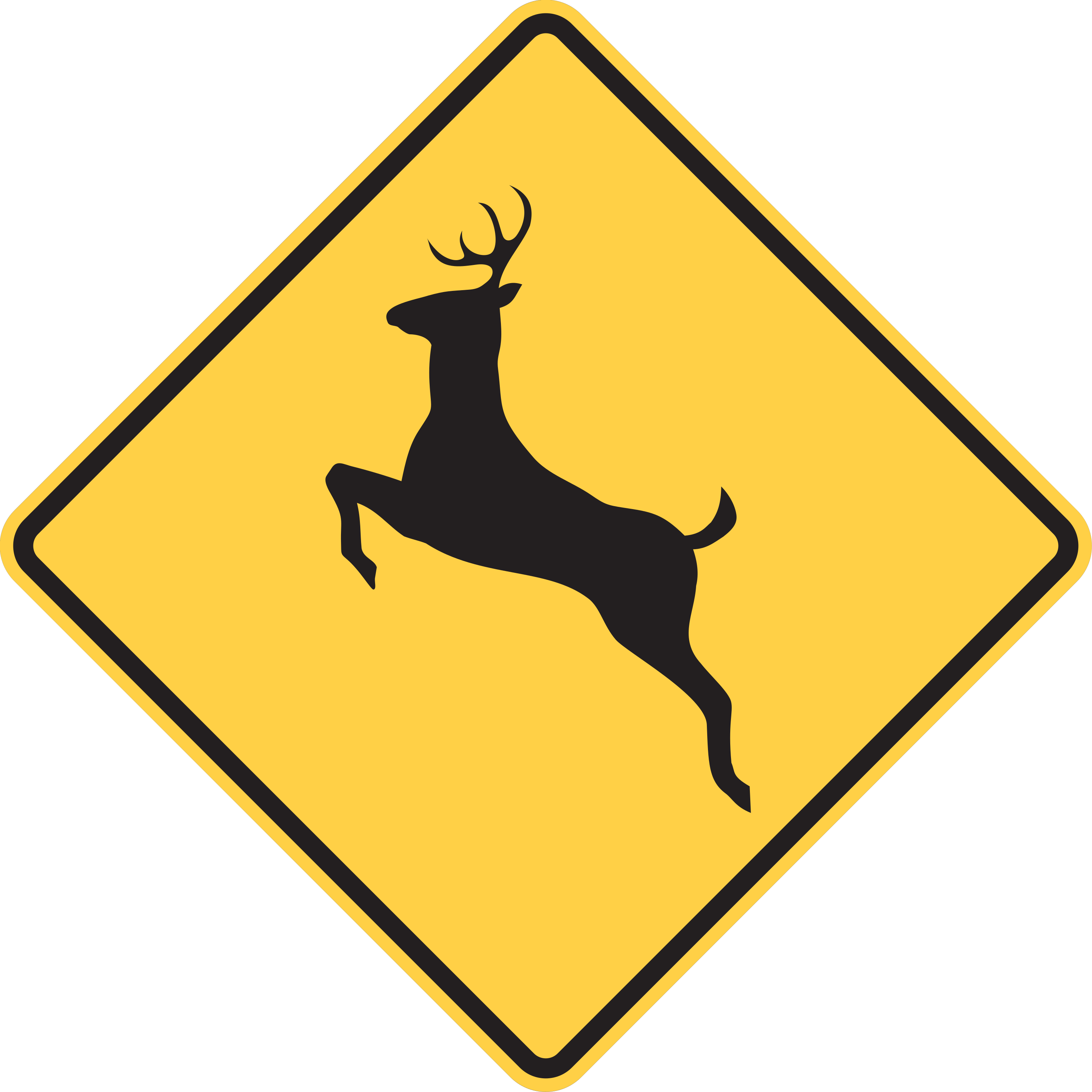
Deer crossing sign
The deer silhouette warns that deer may enter or cross the road.
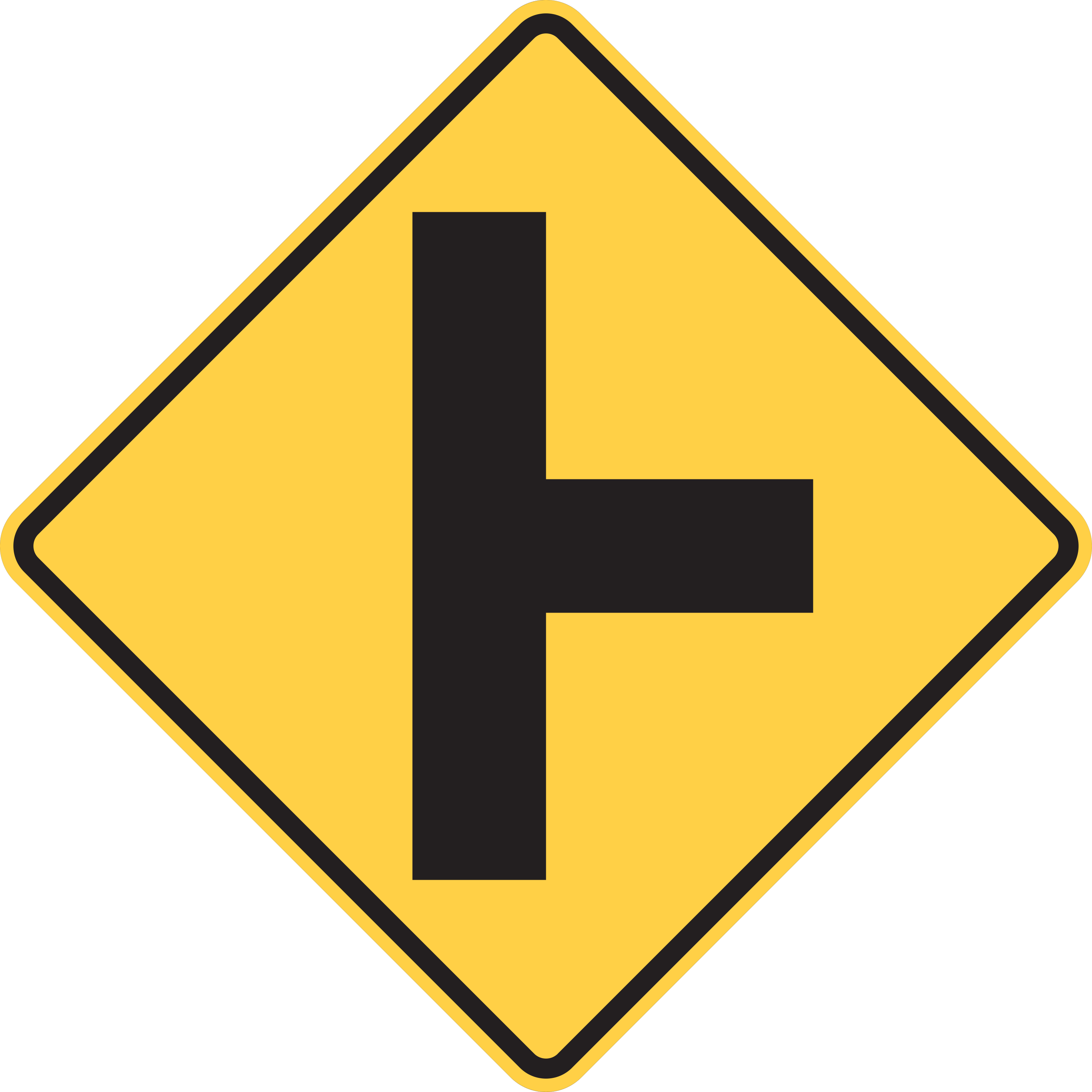
Side road sign
A side road joins from the side shown by the branch.
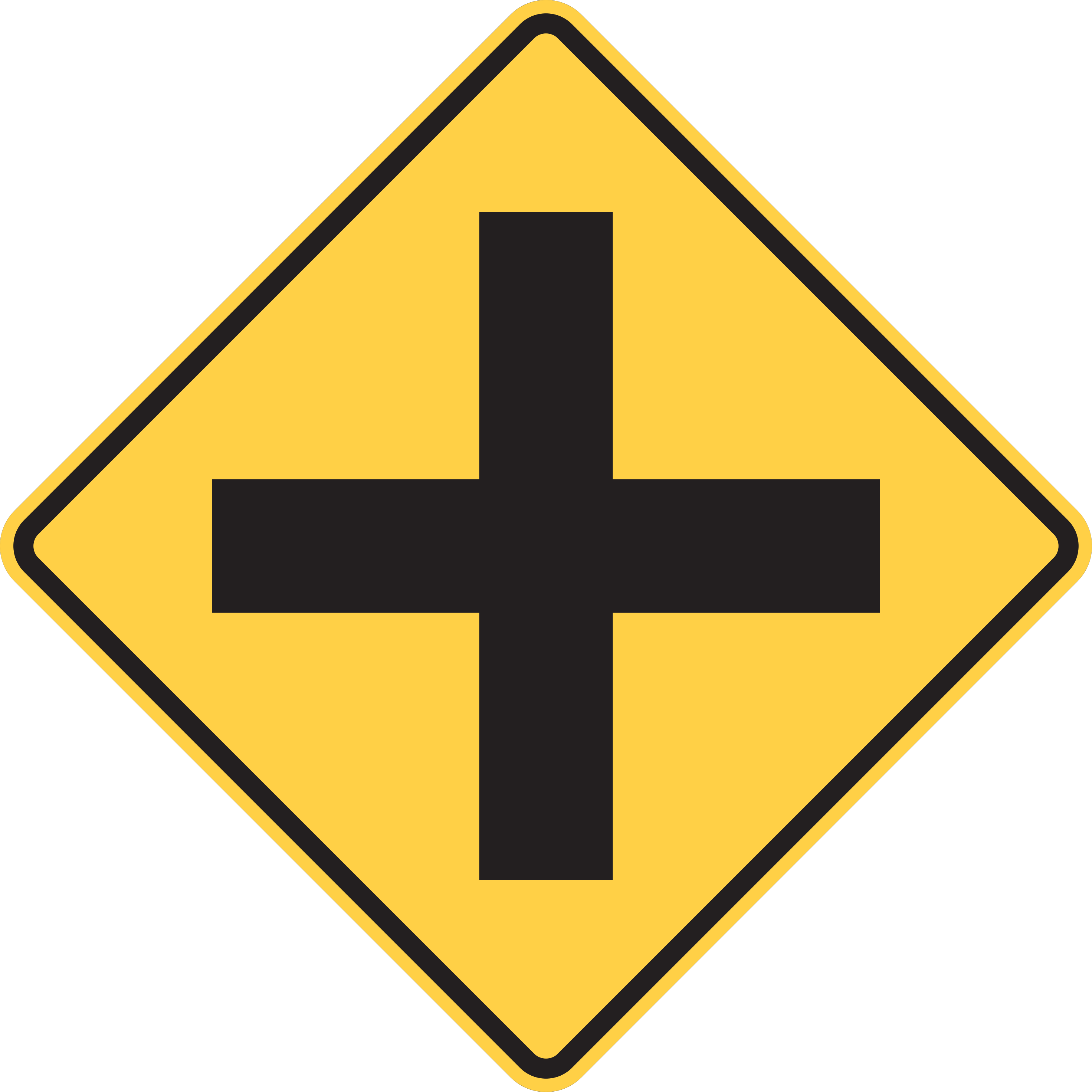
Crossroad sign
Another road crosses the highway ahead.
Follow the drawn road path
On an alignment warning, trace the arrow instead of treating every bend as an instruction to turn at a junction. A curve, a sharp turn and a winding road describe different patterns. On a merge warning, the incoming branch joins a main arrow. On an added-lane warning, two paths continue separately. On a lane-ending warning, a boundary tapers inward. Those small differences explain the coming layout and help you anticipate the movement of vehicles around you.
Ask which dimension or surface changes
ROAD NARROWS concerns width; LOW CLEARANCE concerns height. BUMP and DIP concern the vertical profile of the surface, while PAVEMENT ENDS concerns a change of material. SOFT SHOULDER locates its concern beside the traveled roadway. Reading the specific message prevents an unnecessary lane change or an answer about the wrong vehicle dimension. The outline alerts you, but the symbol or words supply the information you need.
Use the warning without inventing a number
A diamond alone does not set a universal speed, distance or priority rule. Read any actual advisory plaque and adjust for conditions. The numerical example on one illustrated sign is not a statewide default. In a work zone, look for subsequent lane directions and the actual person controlling traffic. For STOP AHEAD or SIGNAL AHEAD, prepare for the later control rather than treating the warning panel as the stopping location or a live signal indication.