
Road-sign category · 17 illustrated guides
Regulatory Signs
Regulatory signs answer questions about permission and required movement: whether to stop, which way to travel, which movement a lane permits and what action is prohibited. Start with STOP and YIELD, then compare arrow signs carefully. A crossed-out arrow, an arrow with ONLY and a ONE WAY arrow can contain the same direction while giving very different instructions. Read words, symbols and any conditions together instead of using a white background as the complete answer. The examples below connect each restriction with its actual scope; they do not invent local exceptions or numerical rules.
Illustrated signs in this category
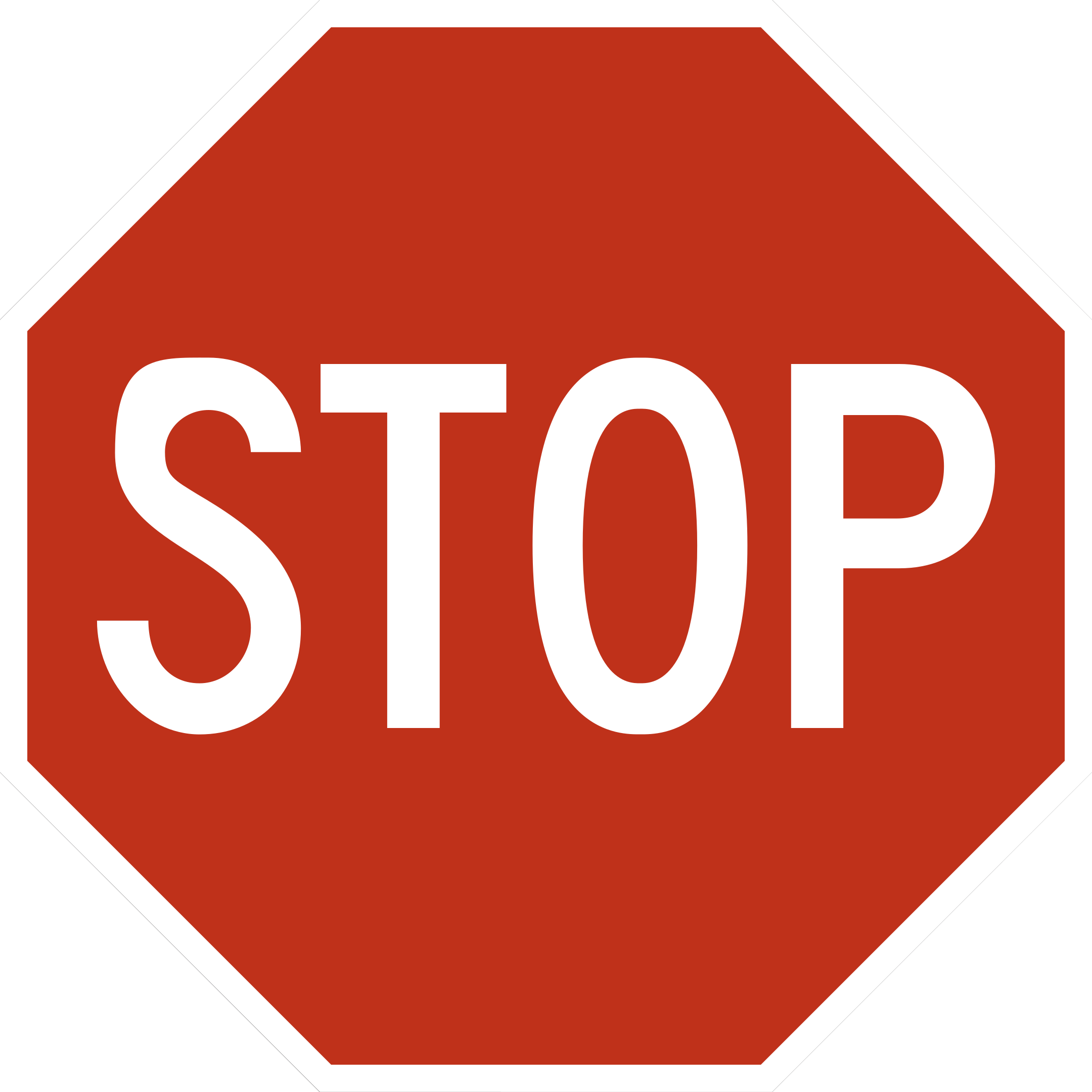
Stop sign
A STOP sign requires a complete stop on the approach it controls.
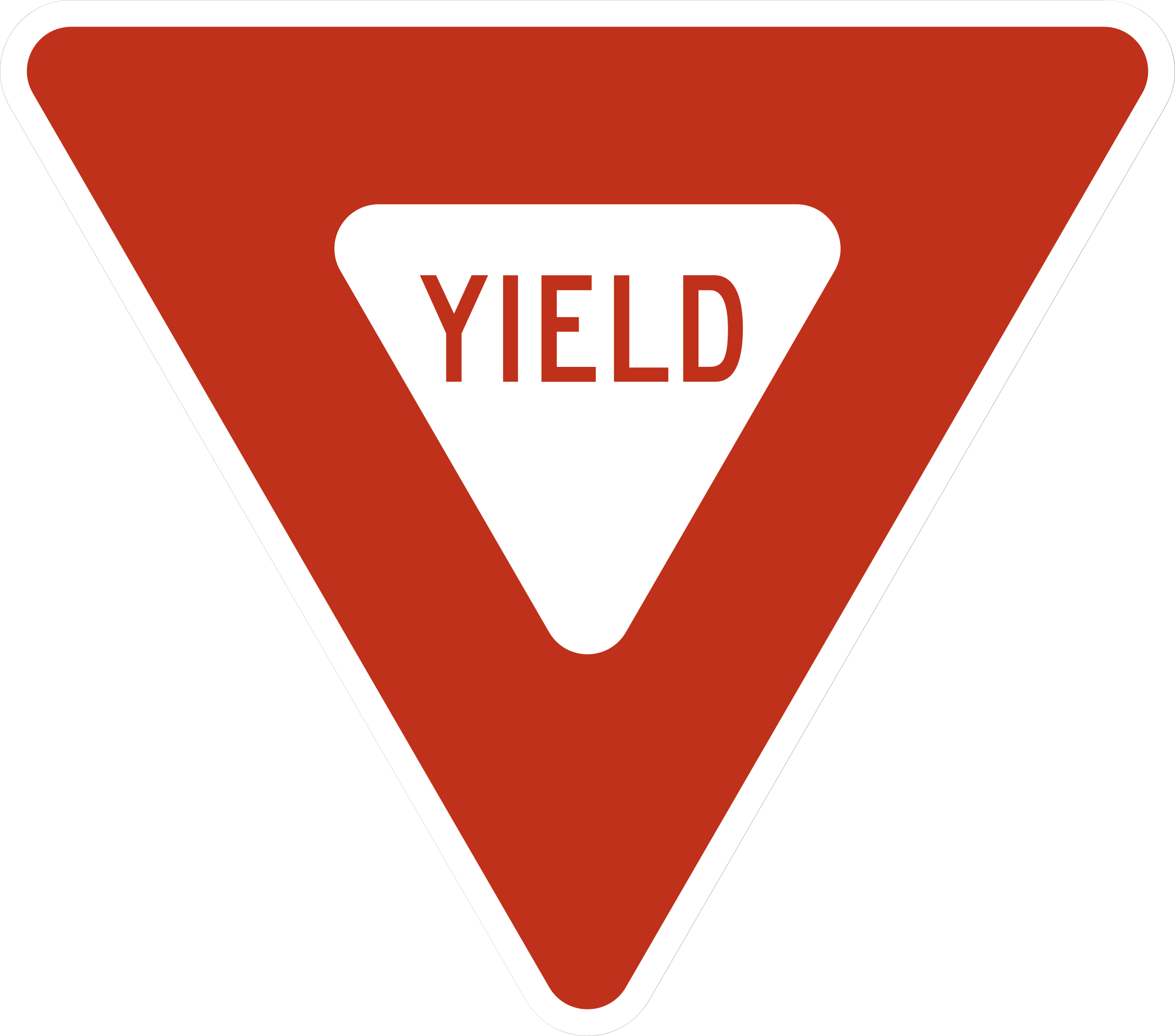
Yield sign
YIELD tells you to give priority to conflicting traffic.
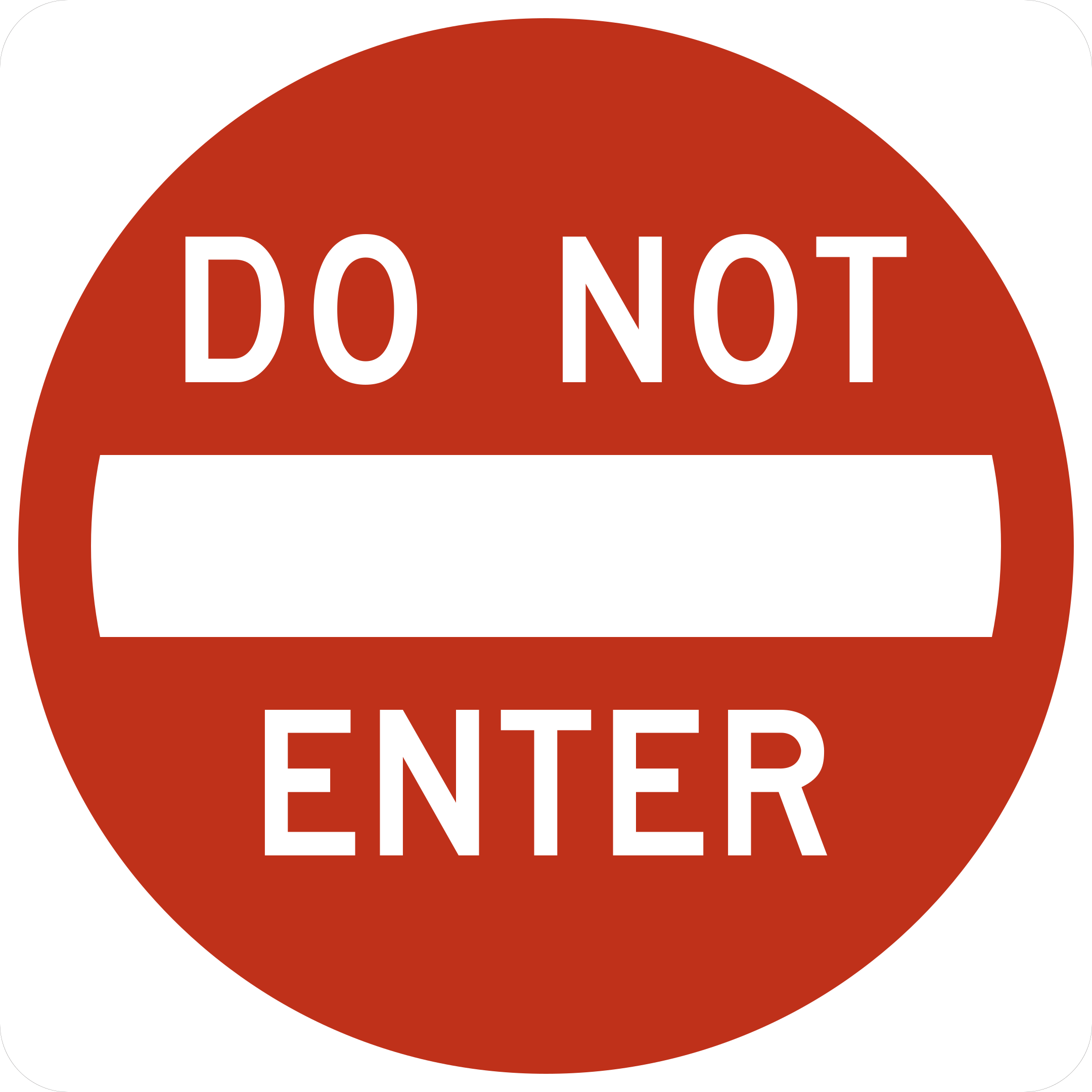
Do Not Enter sign
DO NOT ENTER prohibits entry into the road or ramp from the direction facing the sign.
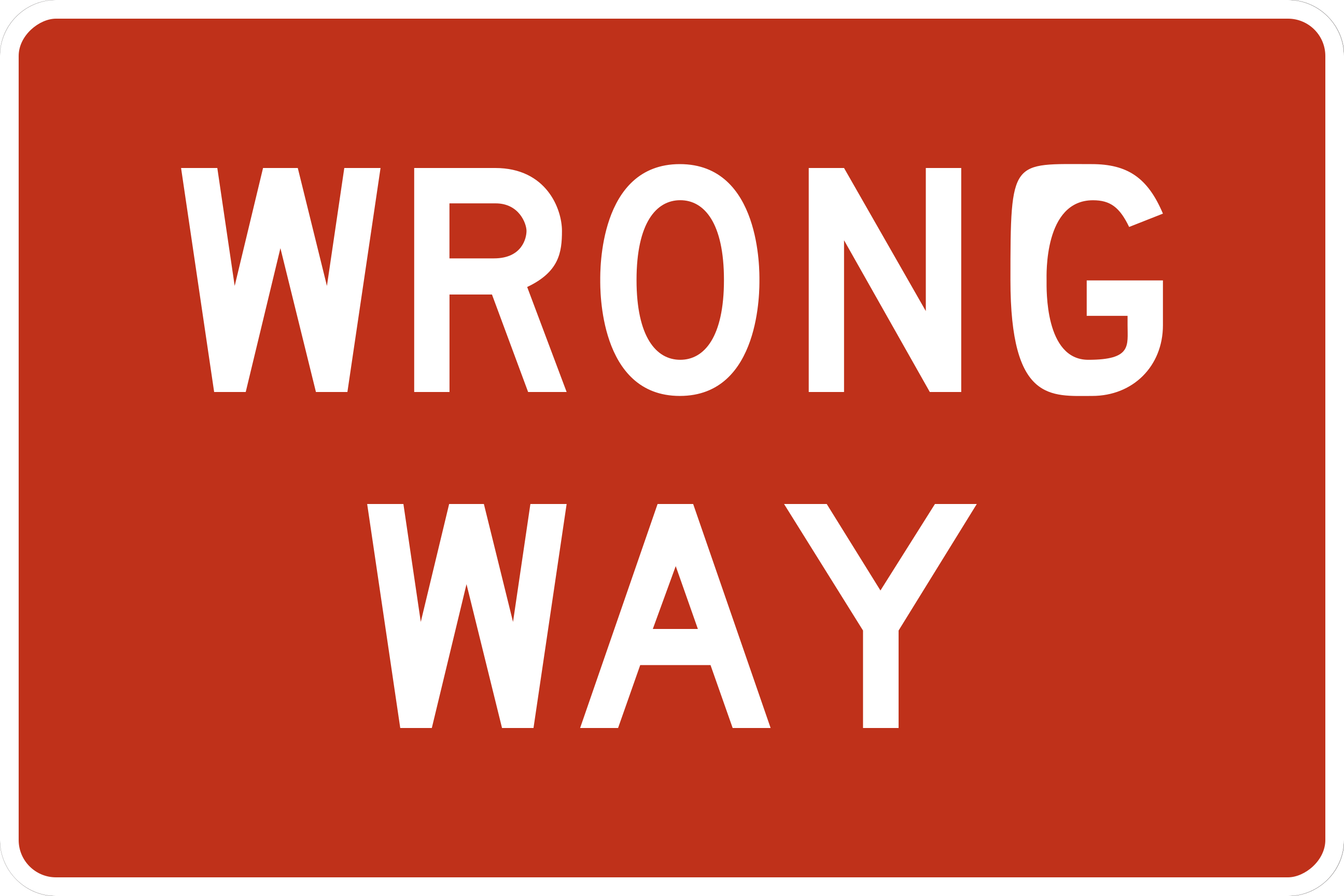
Wrong Way sign
A WRONG WAY sign facing you signals a dangerous conflict with the permitted direction of traffic.
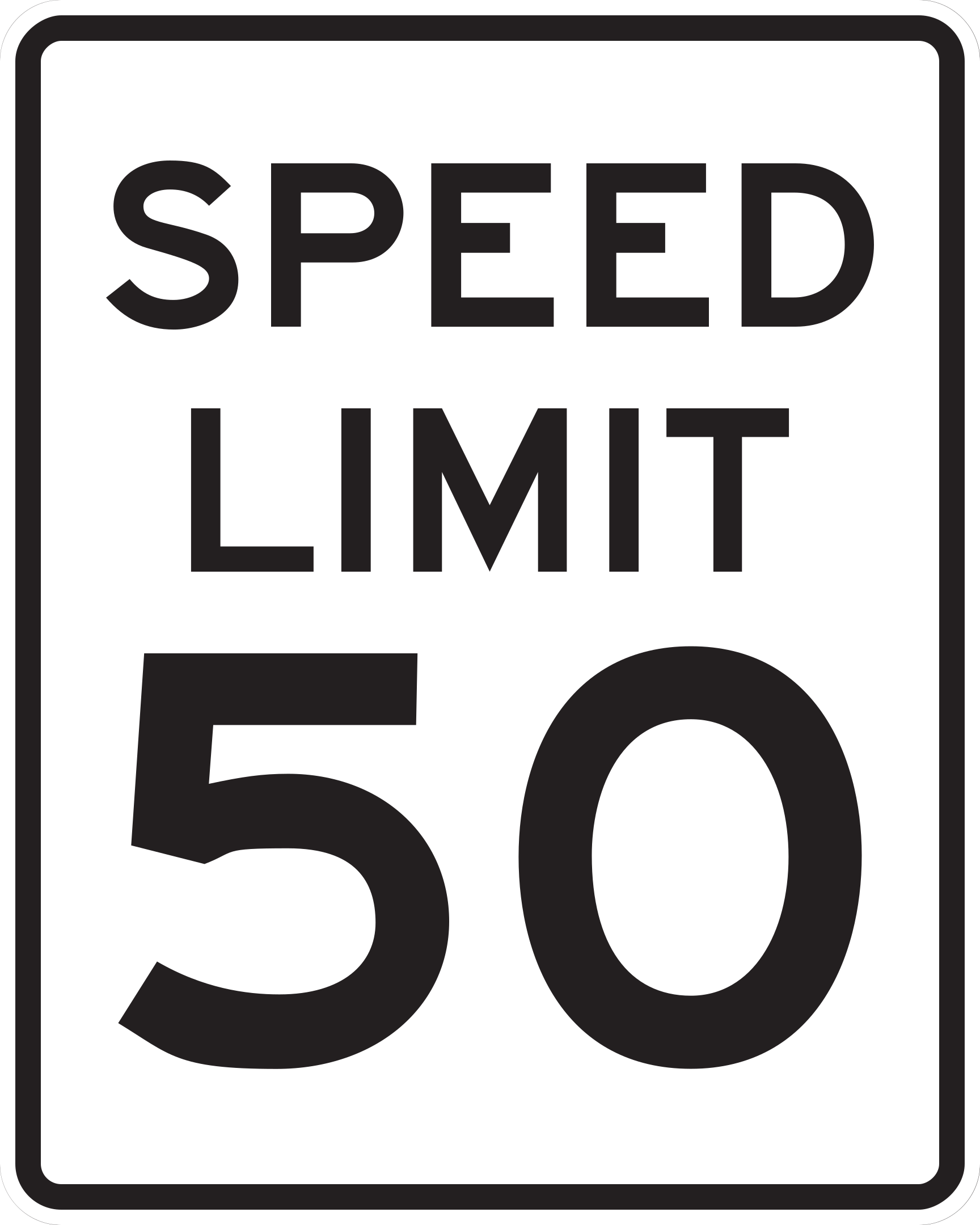
Speed Limit sign
A SPEED LIMIT sign displays the maximum posted speed for the traffic to which it applies.
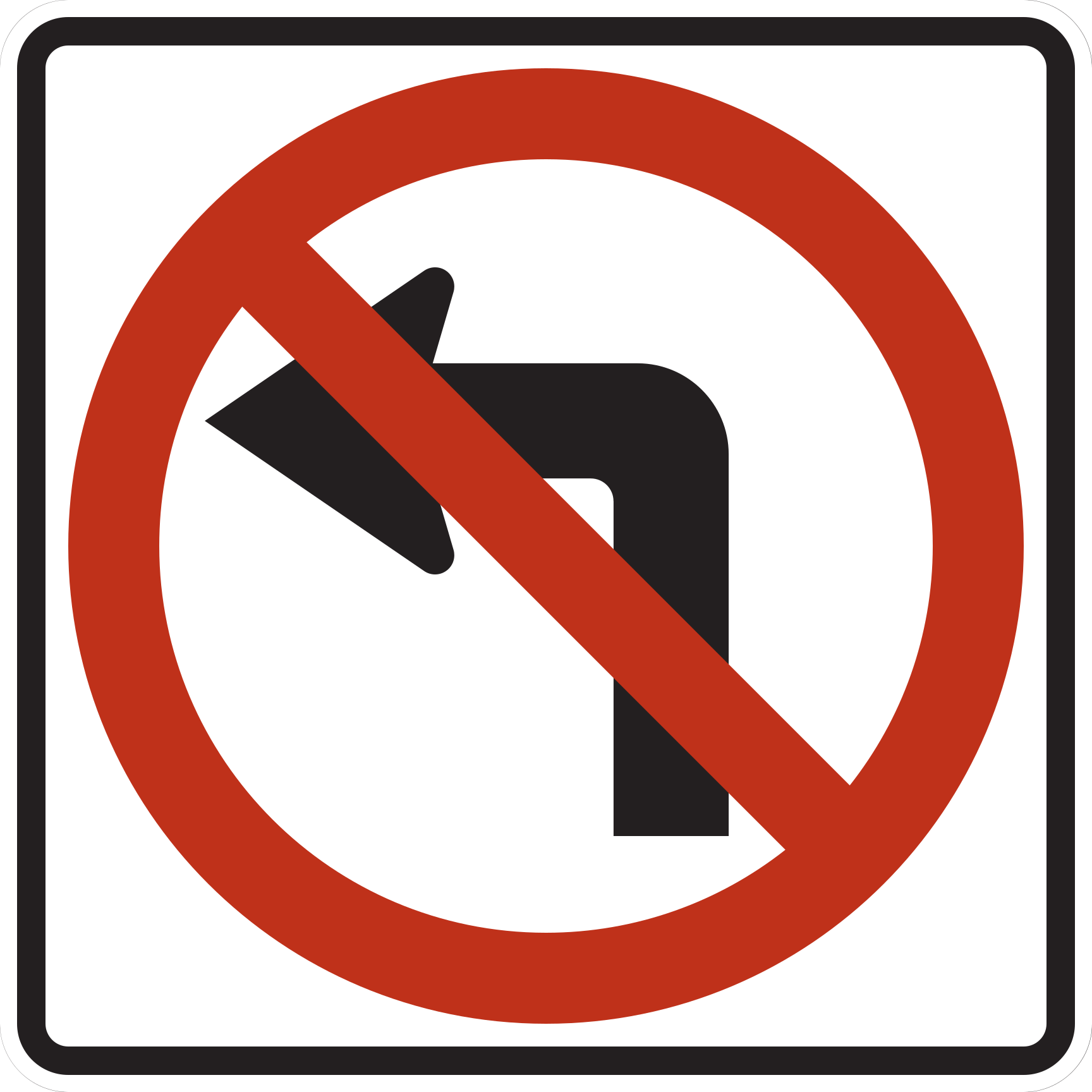
No Left Turn sign
The crossed-out left arrow prohibits the left-turn movement at the location it controls.
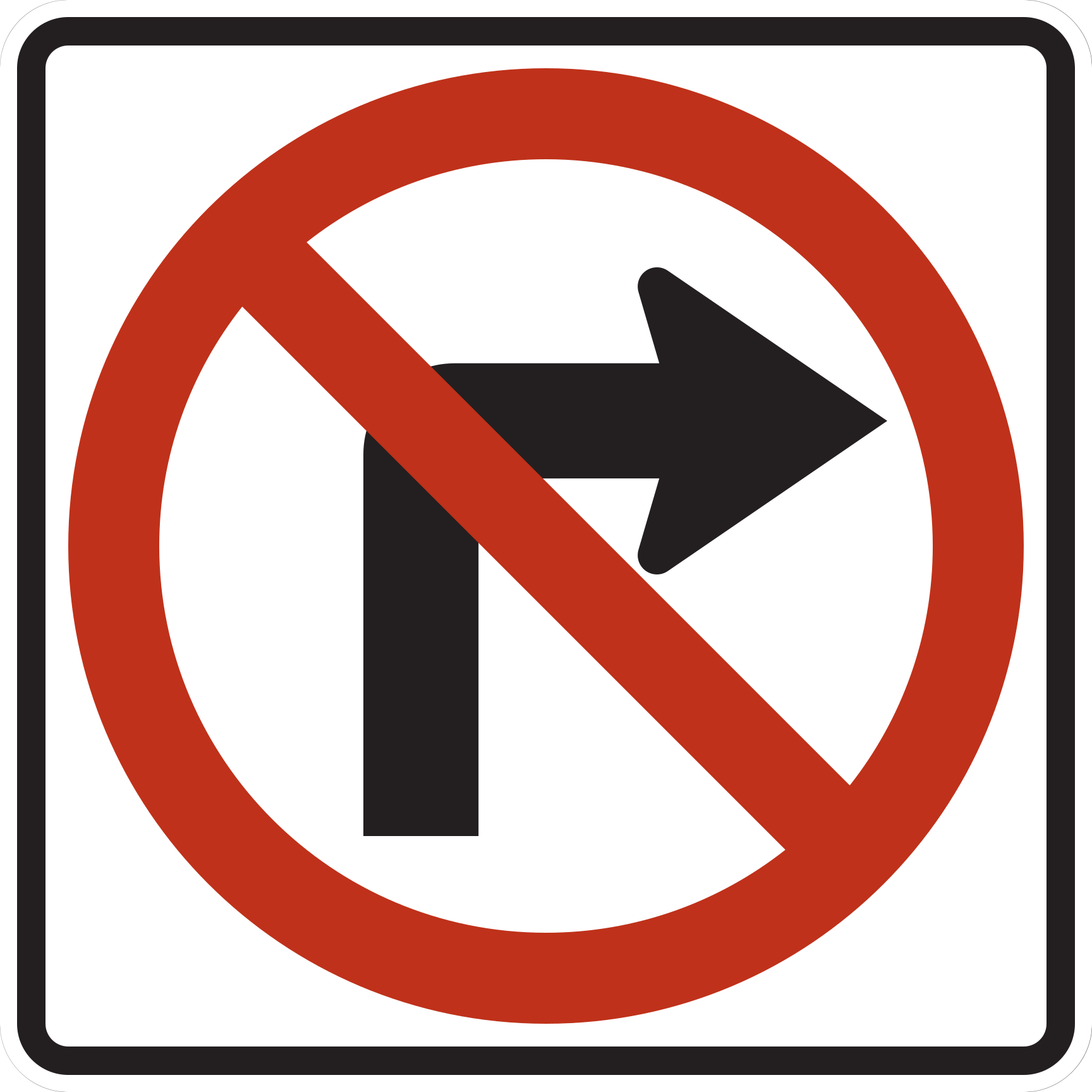
No Right Turn sign
The red circle and slash prohibit the right turn shown by the arrow.
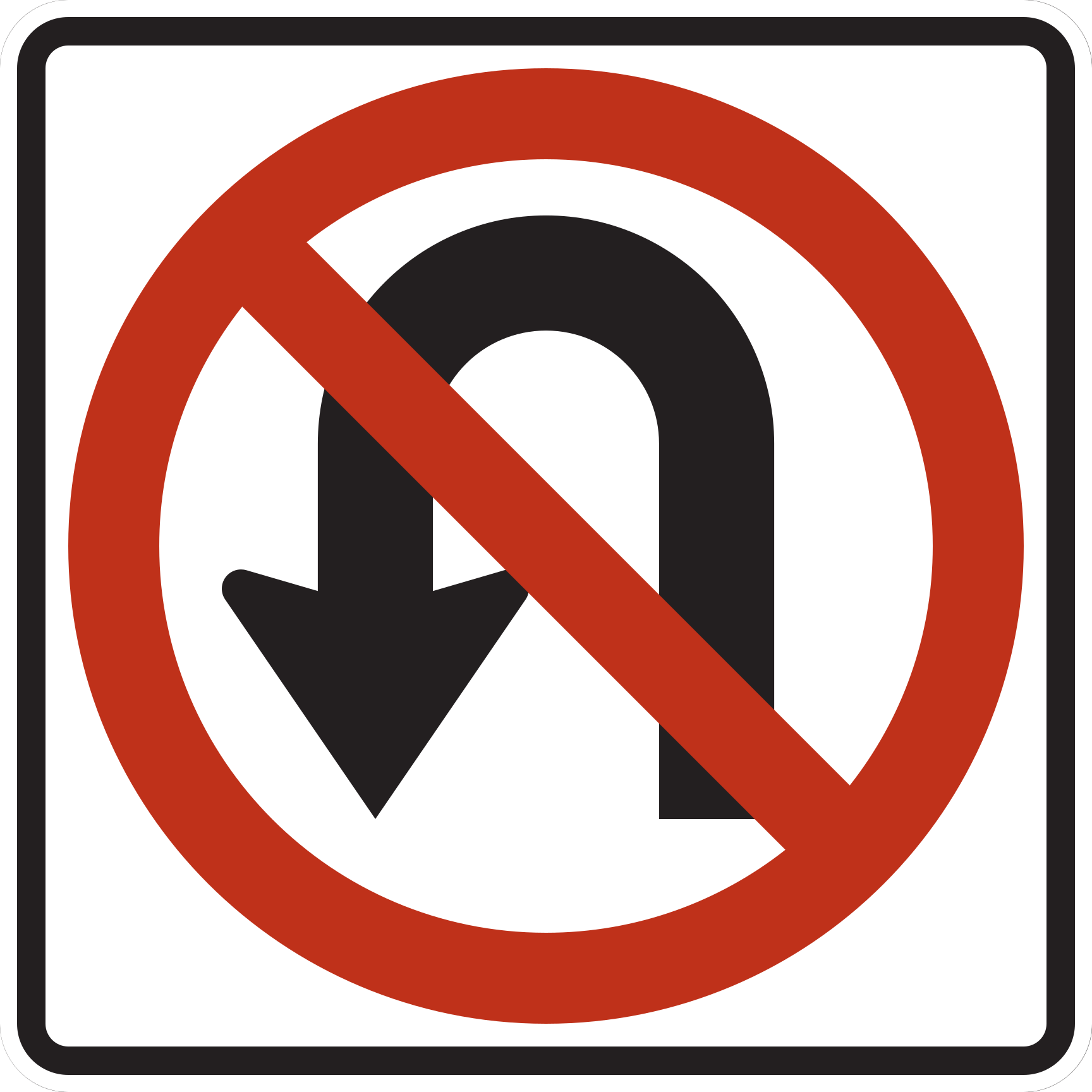
No U-Turn sign
A No U-Turn sign prohibits turning around to travel in the opposite direction at that location.
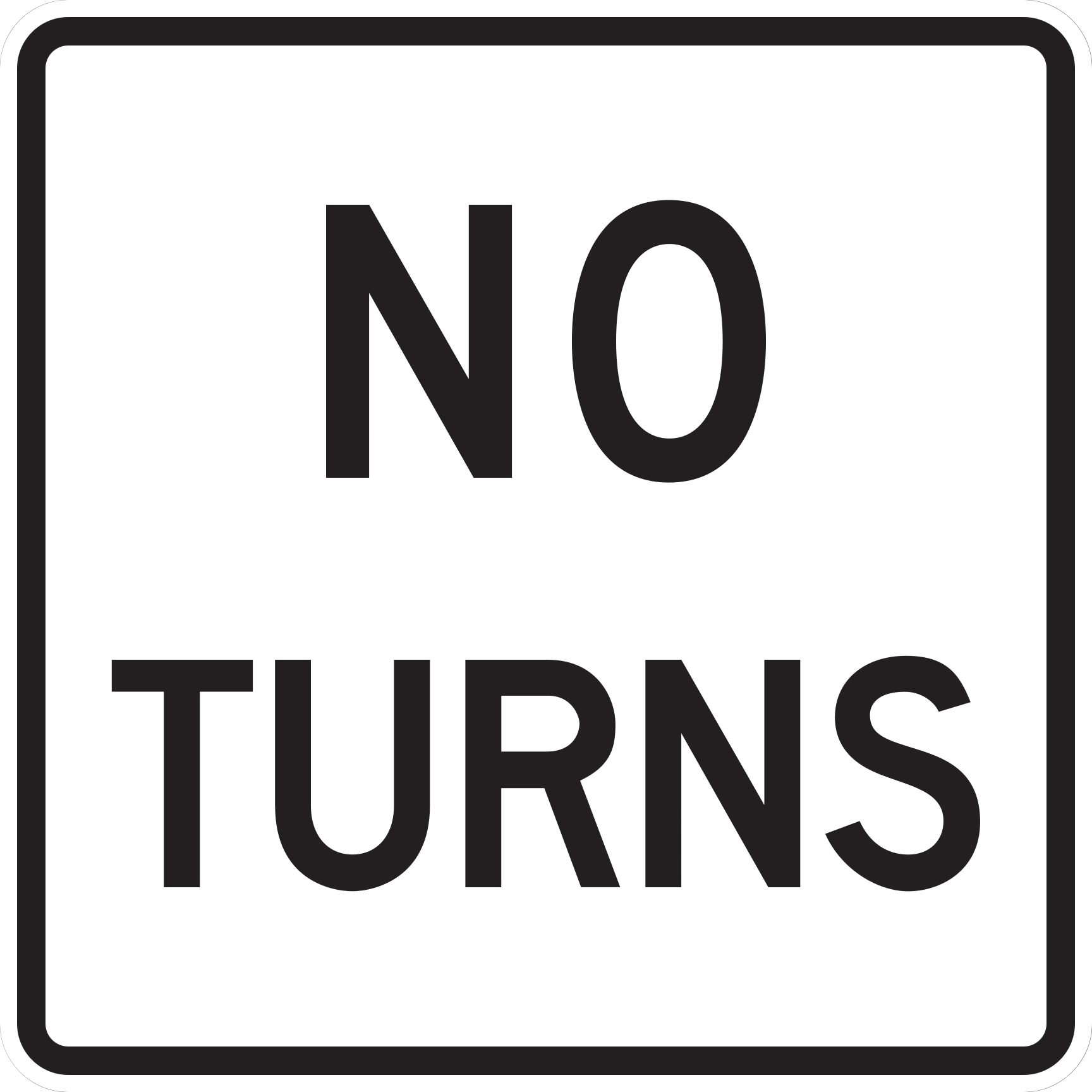
No Turns sign
NO TURNS prohibits turning movements from the approach it controls.
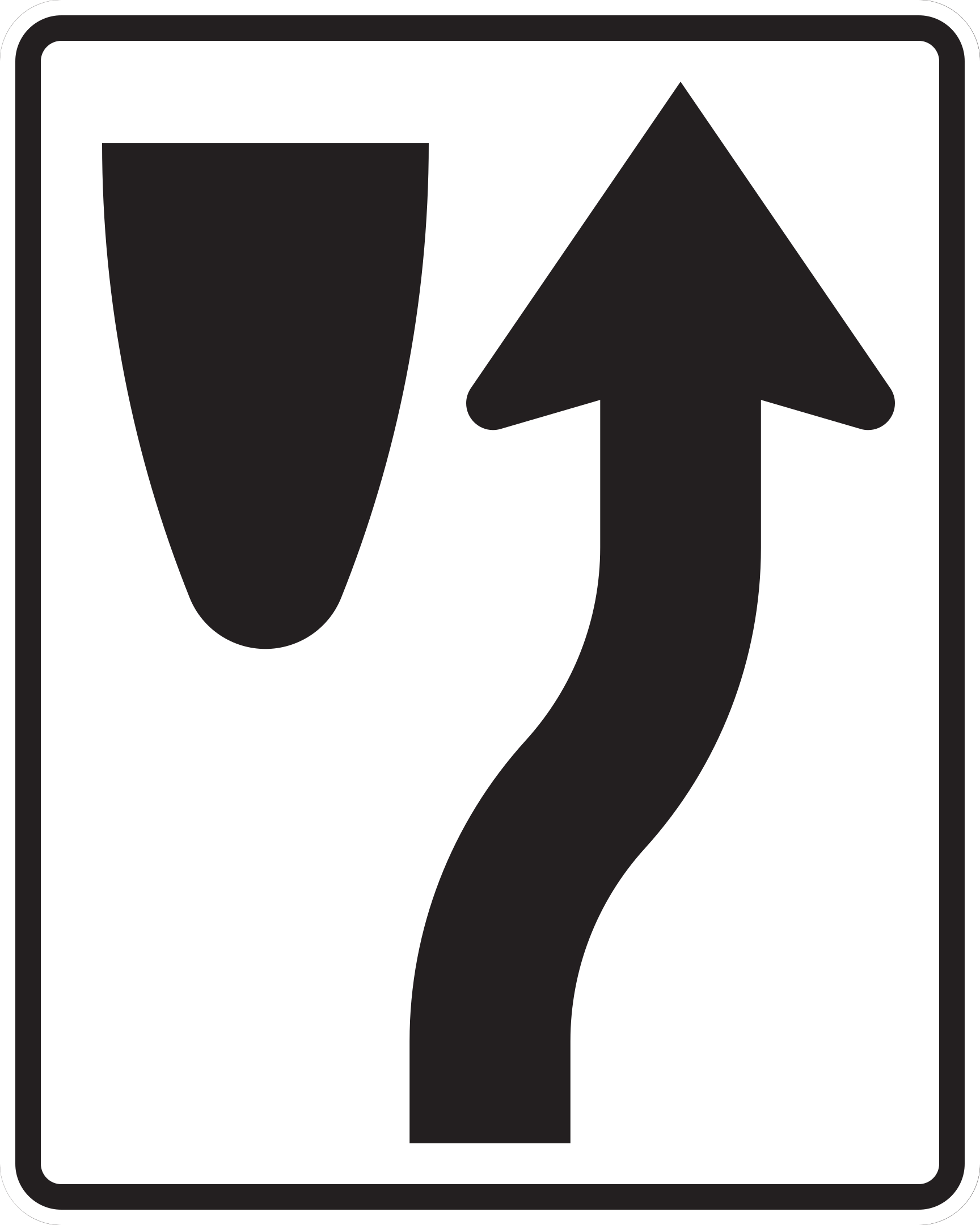
Keep Right sign
KEEP RIGHT tells you to pass on the right side of the island, divider or obstruction shown by the symbol.
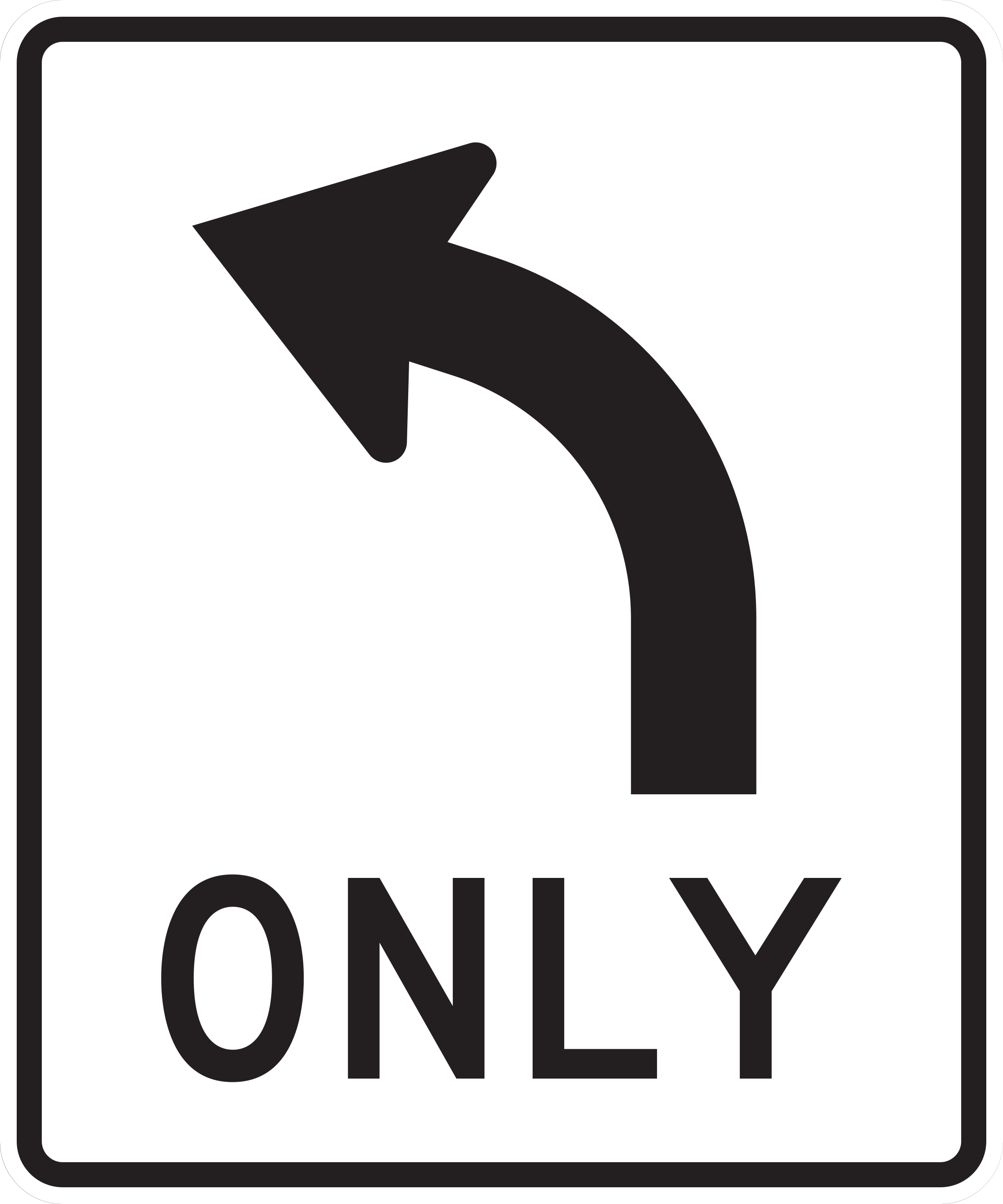
Left Turn Only sign
A left arrow with ONLY identifies a lane reserved for the left-turn movement at the intersection.
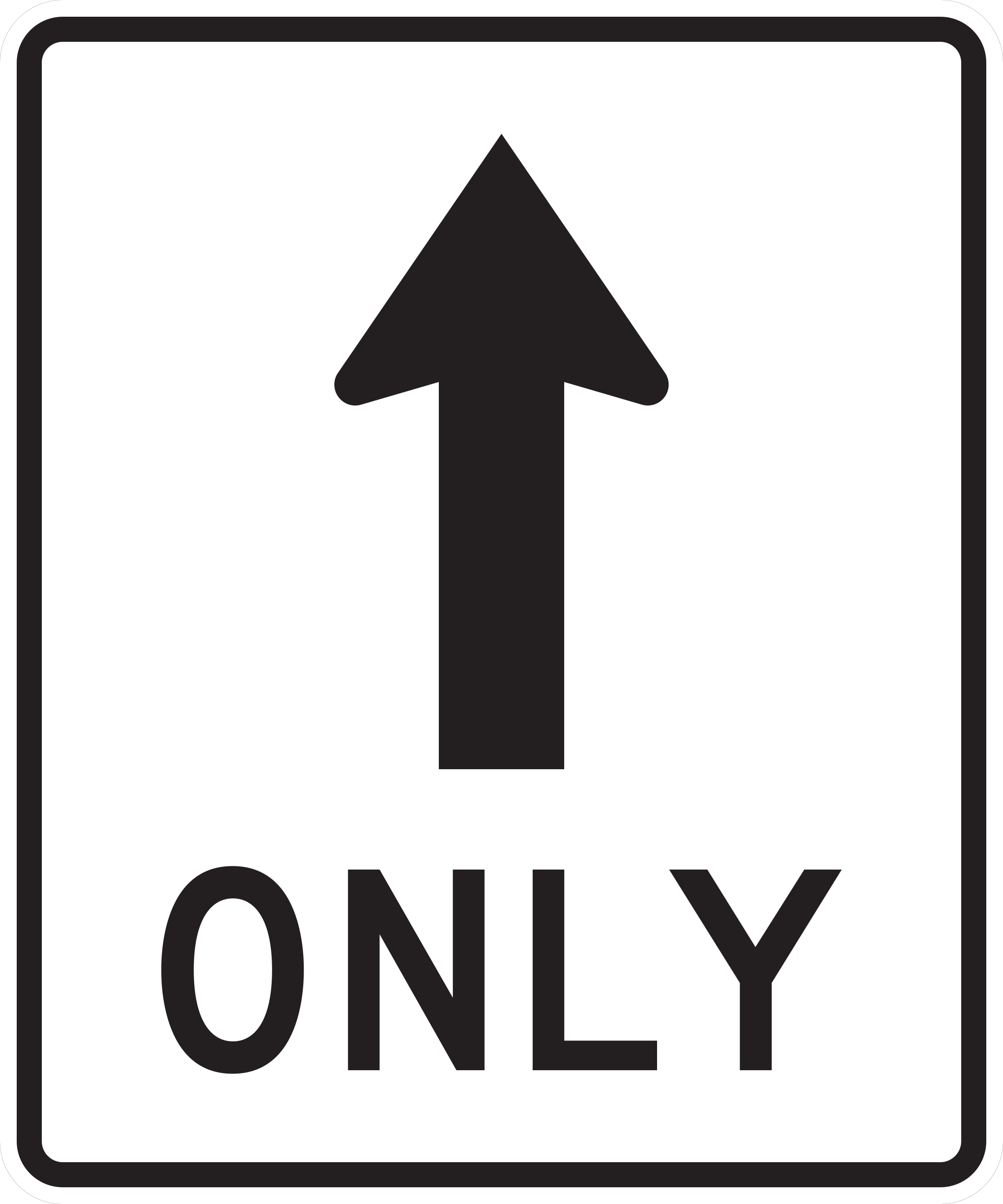
Through Only sign
The straight arrow and ONLY require traffic in the controlled lane to proceed straight through the intersection.
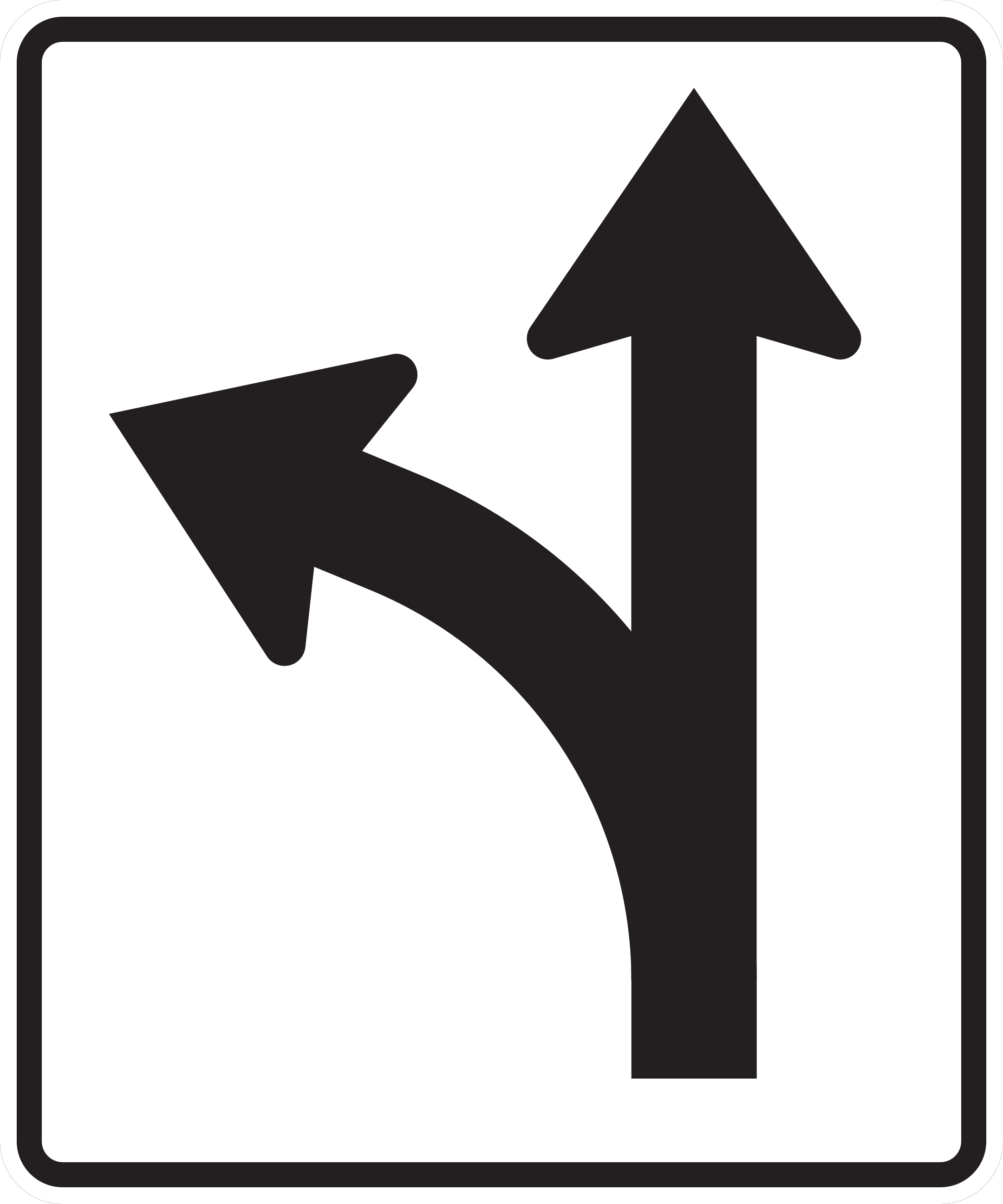
Straight or Left Turn sign
The two arrowheads show that the controlled lane supports either a through movement or a left turn.
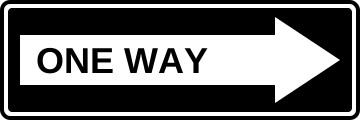
One Way sign
A ONE WAY sign identifies the permitted direction of traffic along the signed roadway.
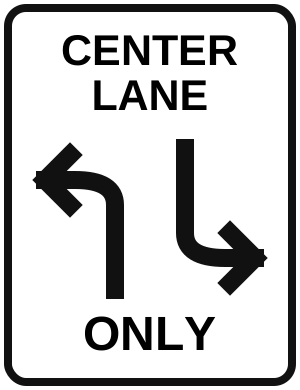
Center Lane Left Turn Only sign
The opposing turn arrows identify a center lane shared by left-turning traffic from both directions.
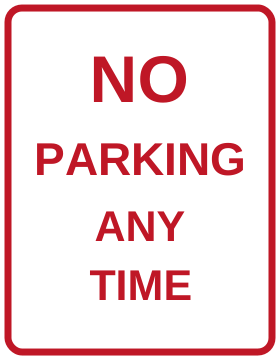
No Parking Any Time sign
NO PARKING ANY TIME prohibits parking throughout the period covered by the words 'any time.' Read the location limits and any accompanying signs; parking,…
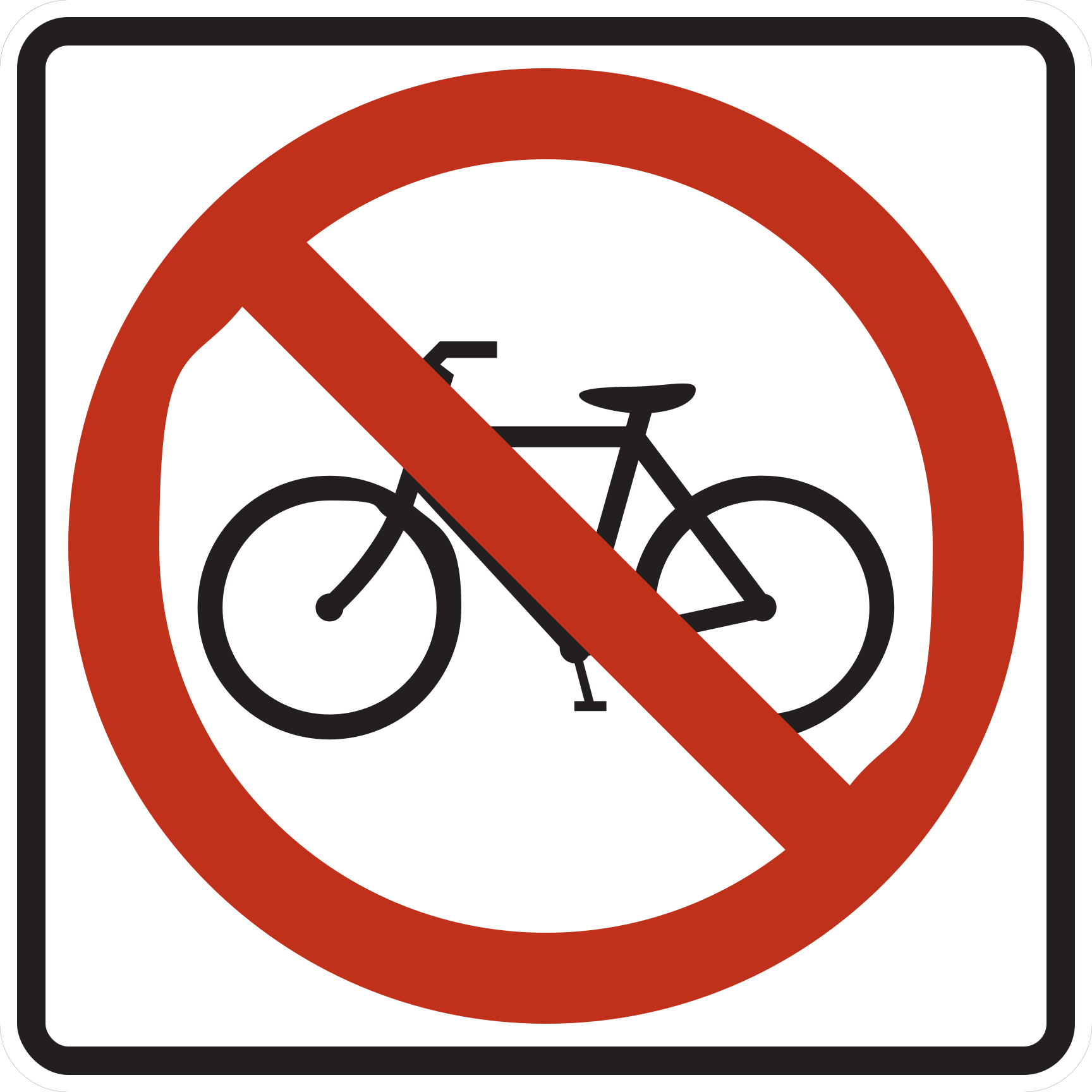
No Bicycles sign
The crossed-out bicycle prohibits bicycle traffic on the signed roadway or facility.
Read the message before choosing the response
Separate stopping, yielding and permission to enter
STOP and YIELD address an approach, but they do not require the same response. A stop must be complete; the later decision is whether the path is clear. Yielding means giving way to conflicting traffic, slowing or stopping as necessary. DO NOT ENTER is different again: it prohibits access from the direction the sign faces. Stopping first does not make that opening available. WRONG WAY addresses travel against the permitted direction. Read the whole message rather than treating every red sign as an instruction to stop and then continue.
Read what the arrow permits or prohibits
An arrow is not a complete instruction without its surrounding words and symbols. ONE WAY identifies the permitted direction of travel. An arrow crossed by a red slash prohibits the pictured movement; it does not prohibit every possible movement at the junction. A lane arrow with ONLY describes the movement required from that lane. Before choosing an answer, name both the arrow and the restriction attached to it. Then connect the sign with the lane or opening it controls instead of borrowing the meaning of a similar-looking arrow.
Keep posted instructions separate from appearance
Read the actual value on a speed-limit sign rather than transferring a number from a practice illustration to another road. A clear-looking stretch does not cancel a posted restriction. KEEP RIGHT directs traffic around the obstruction shown; it is not an invitation to drive onto the shoulder. When comparing signs, describe the decision each requires and the place it applies. The detailed guides retain their own examples and handbook references, so an unfamiliar arrangement can be checked without treating a shared background color as the whole rule.